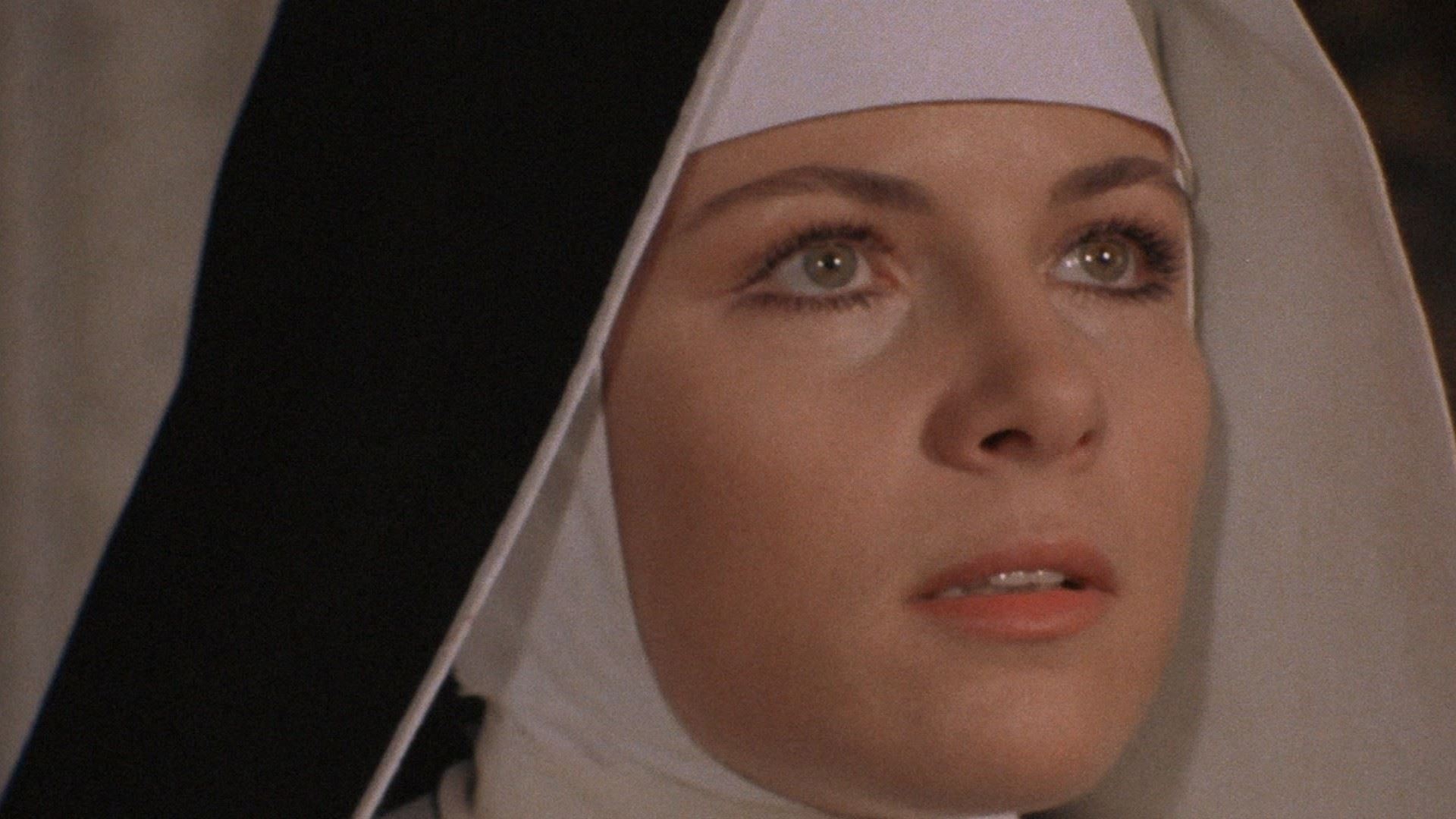
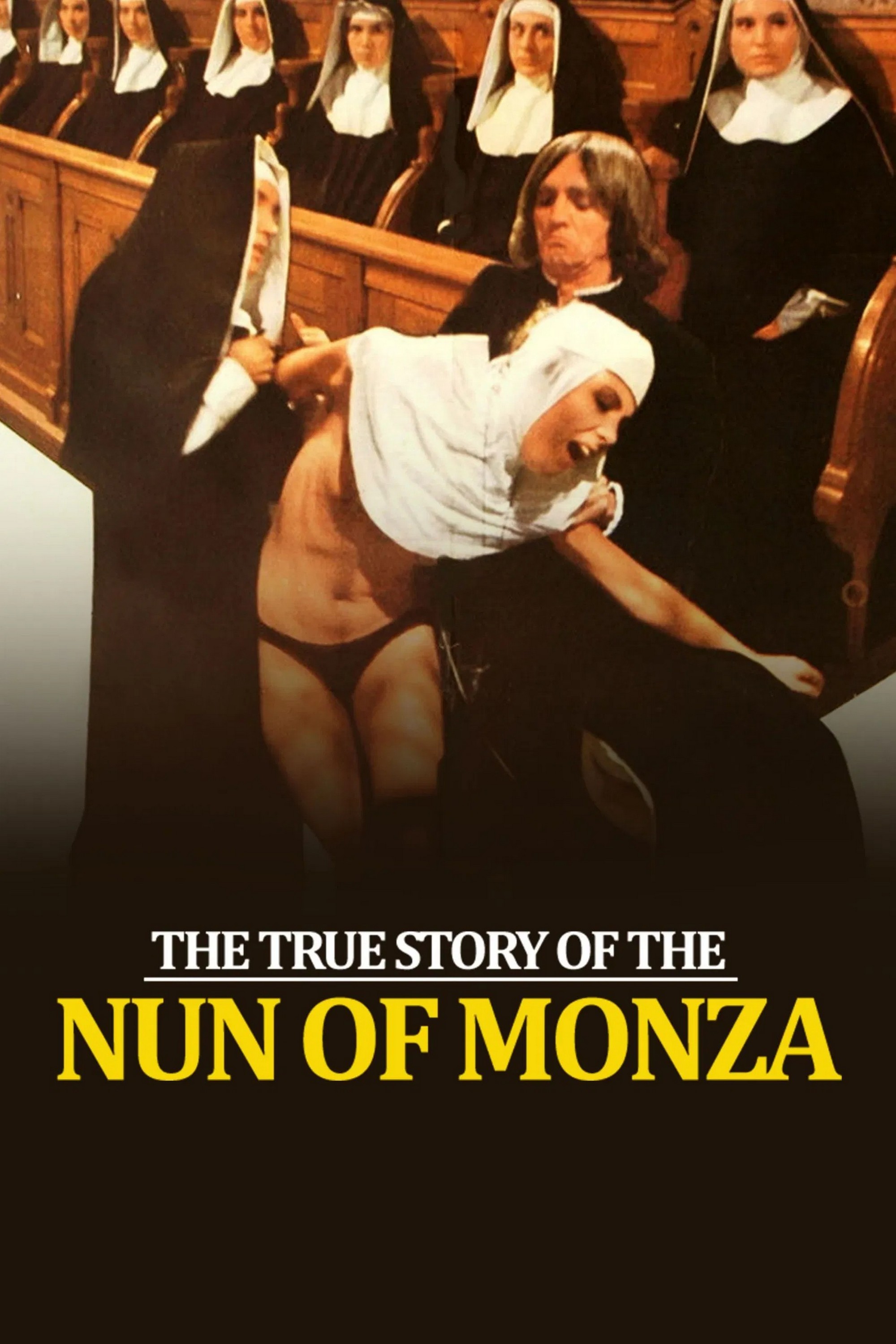
The True Story of the Nun of Monza (1980)
Drama · 1h 33m · 7/3/1980


Description
The True Story of the Nun of Monza (1980) is an Italian historical drama that explores desire, repression, and hypocrisy within rigid religious and social systems. Set in 17th-century Italy, the film follows Virginia de Leyva, a young noblewoman who is forced into a convent by her powerful family to protect their wealth and reputation. Renamed Sister Virginia, she struggles to adapt to a life she never chose, confined by strict rules, constant surveillance, and the heavy expectations placed on her as both a woman and a nun. Inside the convent, Virginia’s loneliness and emotional isolation grow. Her inner conflict deepens when she becomes involved in a forbidden relationship with Giampaolo Osio, a charismatic and reckless nobleman. Their secret affair ignites intense passion but also leads to manipulation, violence, and moral collapse. As the relationship spirals out of control, crimes are committed to protect their secret, drawing the attention of church authorities. Eventually, the truth surfaces, exposing corruption, abuse of power, and the cruelty of institutions more concerned with appearances than justice. Virginia is harshly punished, becoming a symbol of how personal freedom and female desire are crushed under religious dogma and patriarchal control. The film presents the Nun of Monza not as a simple sinner, but as a tragic figure — a woman trapped between faith, fear, love, and coercion — offering a dark, critical look at enforced devotion and the cost of denying human nature.




Annie Carol Edel
AureliaAlba Maiolini
Old nun
Zora Kerova
Sister Virginia de Leyva
Paola Montenero
Sister Benedetta
Dolores Calò
Nun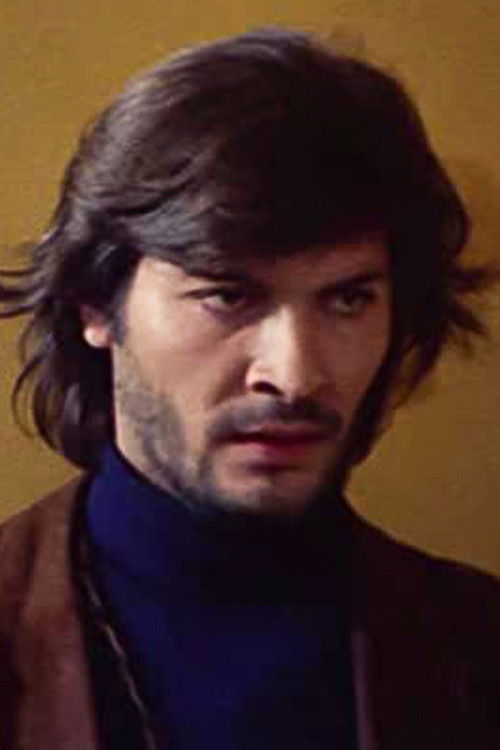
Mario Cutini
Giampaolo OsioFranco Garofalo
Don Paolo Arrigone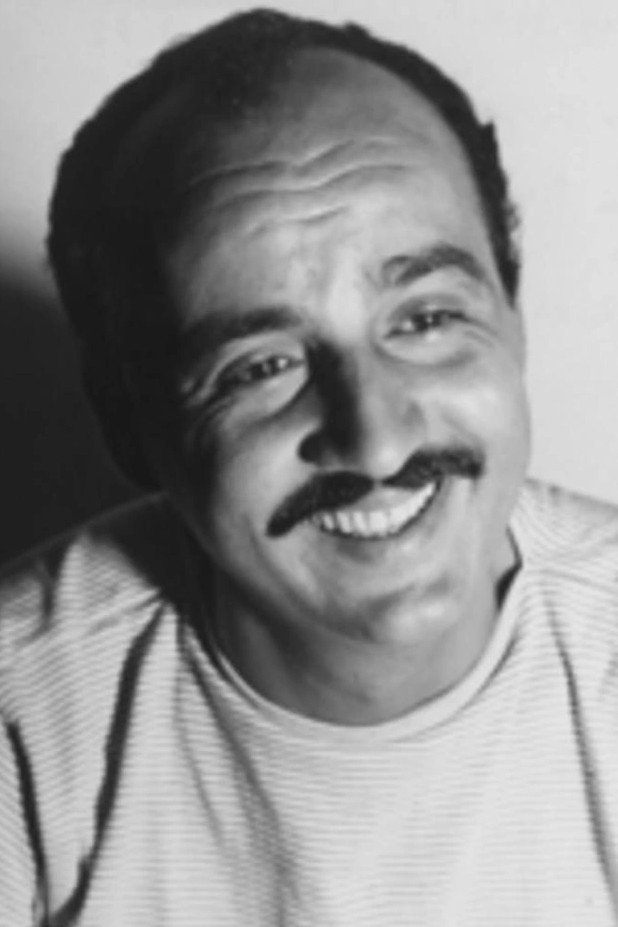
Andrea Aureli
Don Martino de Leyva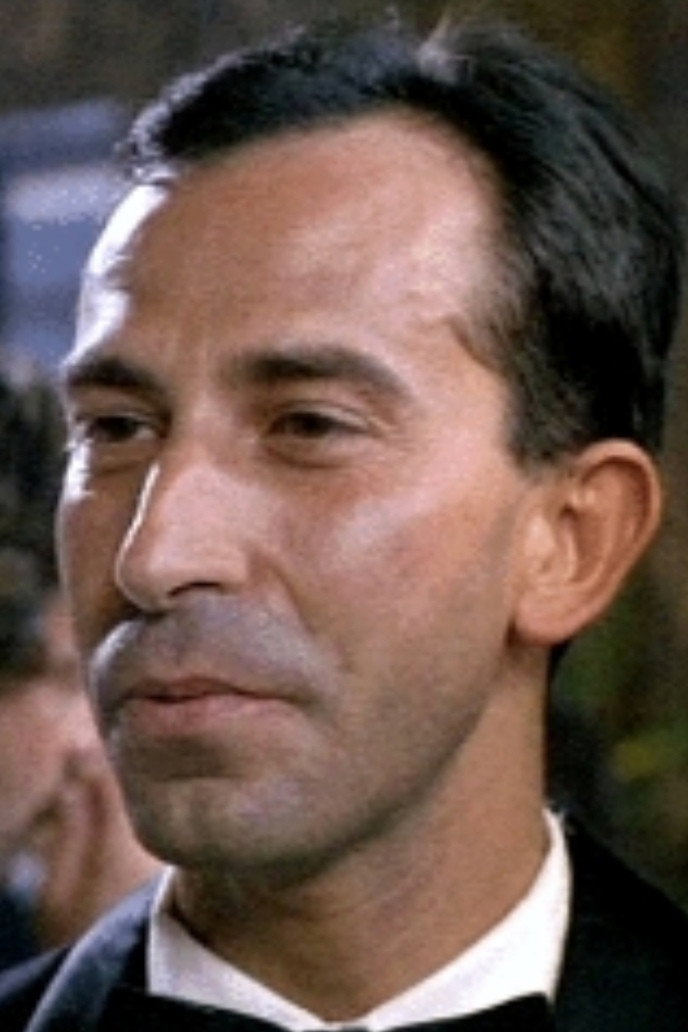
Fernando Arcangeli
PriestGiovanni Attanasio
Reverend FatherFranca Stoppi
Mother SuperiorLeda Simonetti
Margherita
Ornella Picozzi
Nun loving blindfold man
Mario Novelli
MoltenoPaola Corazzi
Sister Candida
Tom Felleghy
CastFabio Spaltro
(uncredited)Bruno Mattei
DirectorARCANGELO PICCHI
Writer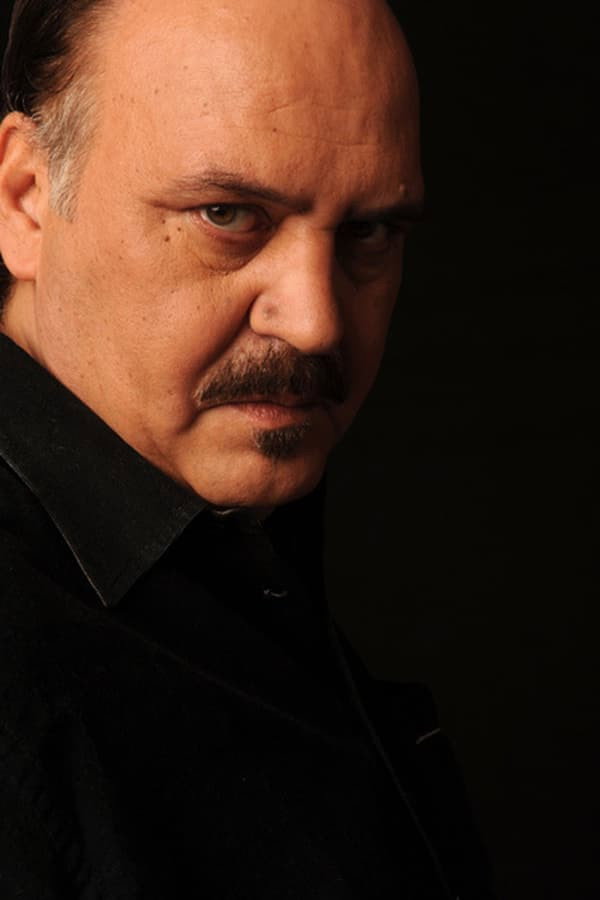
Claudio Fragasso
Writer
The Devils
The Nun
Alucarda
Sister Emanuelle

In the Name of the Father, of the Son and of the Colt
The Sinful Nuns of Saint Valentine
Dark Habits
Nun and The Sergeant

The Other Side of Underneath
Agnes of God
The Name of the Rose
Black Narcissus
Sister Street Fighter: Hanging By A Thread
The Seventh Seal
The Andromeda Strain
The Witch Who Came From the Sea
Salò, or The 120 Days of Sodom
The Night Porter
Padre Padrone
Brother Sun, Sister Moon
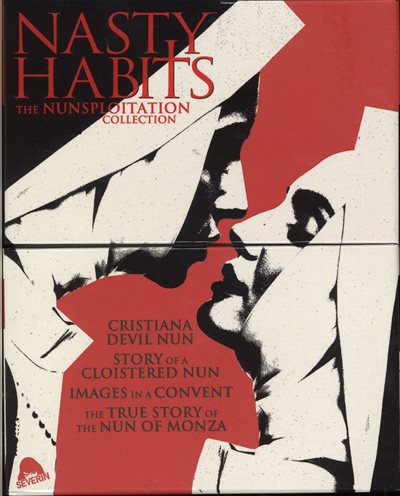
The True Story of the Nun of Monza
(Blu-ray, Box)
12/14/2021


