Alan Bates
Biography
Date of Birth 17 February 1934, Allestree, Derbyshire, England, UK Date of Death 27 December 2003, London, England, UK (pancreatic cancer) Birth Name Alan Arthur Bates Height 5' 11" (1.80 m) Mini Biography Alan Bates decided to be an actor at age 11. After grammar school in Derbyshire, he earned a scholarship to the Royal Academy of Dramatic Arts in London. Following two years in the Royal Air Force, he joined the new English Stage Company at the Royal Court Theatre. His West End debut in 1956, at 22, was also the company's first production. In the same year Bates appeared in John Osborne's "Look Back in Anger," a play that gave a name to a generation of postwar "angry young men." It made Bates a star and launched a lifetime of his performing in works written by great modern playwrights -- Harold Pinter, Simon Gray, Storey, Bennett, Peter Shaffer and Tom Stoppard (as well as such classic playwrights as Anton Chekhov, Henrik Ibsen, August Strindberg and William Shakespeare). Four years later Bates appeared in his first film, a classic: The Entertainer (1960), in which he plays one of Laurence Olivier's sons. More than 50 film roles have followed, one of which, The Fixer (1968) (from a novel by Bernard Malamud) earned an Academy Award nomination for Bates. He married Victoria Ward in 1970. Their twin sons, Benedick and Tristan, were born in 1971. Tristan died during an asthma attack in 1990; Ward died in 1992. Bates threw himself into his work to get through these tragedies, and spoke movingly about the effects of his losses in interviews. He was the Patron of the Actors Centre in Covent Garden, London; Bates and his family endowed a theatre there in memory of Tristan Bates, who, like his father and brother, was an actor. With few exceptions, Bates performed in premium works, guided by intuition rather than by box office. For each role he created a three-dimensional, unique person; there is no stereotypical Alan Bates character. Women appreciate the sensitivity he brought to his romantic roles; gay fans appreciate his well-rounded, unstereotyped gay characters; and the intelligence, humor and detail - the smile that started in the eyes, the extra pat or squeeze, the subtle nuances he gave to his lines, his beautiful, flexible voice - are Bates hallmarks that made him special to all his admirers. The rumpled charm of his youth weathered into a softer but still attractive (and still rumpled) maturity. In his 60s Alan Bates continued to divide his time among films, theatre and television. His 1997 stage portrayal of a travel writer facing life's big questions at the bedside of his comatose wife in Simon Gray's "Life Support" was called "a magnificent performance, one of the finest of his career" (Charles Spencer, Sunday Telegraph, 10 August 97). His last two roles in New York earned critical praise and all the Best Actor awards Broadway can bestow. He was knighted in January 2003, and only a few weeks later began treatment for pancreatic cancer. He was positive that he would beat the disease, and continued to work during its course, only admitting to being "a bit tired." His courage and strength were remarkable, and even in his final days his humor remained intact. After his death, there was an outpouring of affection and respect. As Ken Russell said in his Evening Standard tribute, "The airwaves have been heavy with unstinted praise for Alan Bates since his untimely death . . . All the tributes were more than justified for one of the great actors ever to grace the screen and stage." Mini Biography If there was ever an actor whose choice of film projects suggested a pure love of acting rather than an interest in commercial gain, it would have to be Alan Bates. A supremely talented and versatile actor, Bates hasn't attained the stardom of far lesser performers because of his preference for challenging and interesting work and an avoidance of being type-cast. This is illustrated by the few 'universally known' films that he has appeared in. In fact Alexis Zorbas (1964) (Zorba the Greek) and Georgy Girl (1966) are perhaps his only two films that people with no interest in cinema would have definitely heard of. As a result the respect and recognition of his exceptional ability is both restricted and intense. Bates made his film debut in The Entertainer (1960) before coming to notice in 1962 with Whistle Down the Wind (1961) and A Kind of Loving (1962), the feature film debuts of two highly-respected British directors; Bryan Forbes and the Oscar-winner John Schlesinger. Two years later, Bates starred alongside Anthony Quinn as the young English writer, Basil, in the film for which he will always be remembered, Alexis Zorbas (1964) (Zorba the Greek). Another popular success, the 'Swinging London' comedy-drama Georgy Girl (1966) followed in 1966. Of course, during this period, Bates also concentrated on little-known but acclaimed films such as Le roi de coeur (1966) and Rece do góry (1981). Bates re-united with Schlesinger in Far from the Madding Crowd (1967) in 1967. With such talents as Bates, Julie Christie, Peter Finch and Terence Stamp it is no surprise that the acting was of the highest order but the film itself was a disappointment. Bates received his first and so far (inexplicably) his only Oscar nomination the following year in John Frankenheimer's The Fixer (1968). In 1969, Bates played Rupert Birkin in Women in Love (1969), where he gave the best performance in the film for which Glenda Jackson won her first Oscar. The next year, Bates starred in two fine but virtually unknown films: Laurence Olivier's adaptation of Chekhov's Three Sisters (1970) and arguably Bates' best film A Day in the Death of Joe Egg (1972), a black comedy-drama about a married couple struggling to cope with the tragedy of their daughter who has cerebral palsy. A black comedy revolving around a severely mentally-handicapped child could easily have crossed the boundary into bad taste but superb acting from Bates, Janet Suzman and Joan Hickson and delicate direction from Peter Medak ensured that this remarkable film was moving and beautifully judged from beginning to end. Since then, the variety of film projects available to Bates has diminished and The Go-Between (1970) and Hamlet (1990/I) are really his only two other films of note. Thankfully, the truly awful Story of a Love Story (1973) never obtained a cinema release due to lack of funds and the film is rarely seen. However, Bates has continued to work successfully on the stage and has appeared in highly-acclaimed TV dramas such as "The Mayor of Casterbridge" (1978) and An Englishman Abroad (1983) (TV), again with John Schlesinger. He was knighted in the 2003 New Year's Honours List. He died on 27th December 2003 in a London hospital from pancreatic cancer, aged 69. Spouse Victoria Ward (1970 - 22 June 1992) (her death) 2 children Trivia Patron of The Actors Centre, Covent Garden, London from 1994 until his death in 2003. (previous Patrons: Lord Olivier, Sir Alec Guinness) Theatre Awards: 2002: Best Actor Tony and Drama Desk, for "Fortune's Fool;" 2000, Drama Desk and Lucille Lortel Award for "Unexpected Man;" 1983 Variety Club Award for "A Patriot for Me;" 1975 Variety Club Award for "Otherwise Engaged;" 1971 Evening Standard Best Actor Award for "Butley;" 1972 Best Actor Tony for "Butley;" 1959 Clarence Derwent Award for "A Long Day's Journey Into Night" He was awarded with a Knight Bachelor of the Order of the British Empire in the 2003 Queen's New Year's Honours List for his services to Drama. Had twin sons, Benedick Bates and Tristan. In 1990, Tristan died of an asthma attack in Tokyo. Two years later, his wife, Victoria, also passed away. Eldest of three brothers from an artistic family: his two brothers are artists, his father was a fine cellist, and his mother a pianist who had studied in Paris. His father supported the family by working in the insurance business. He was awarded the CBE (Commander of the British Empire) in 1995 for his services to drama. Grief-stricken following the death of their son Tristan, Alan's wife, the actress and model Victoria Ward, died from a suspected heart attack, following a wasting disease similar to anorexia, in 1992. He had one granddaughter, Chatto Bates. In 1969, along Oliver Reed became the first actor to do frontal nudity in a major studio motion picture, in Ken Russell's Women in Love (1969). He was an Associate Member of RADA. Won two Tony Awards for his only two nominations: in 1973, as Best Actor (Dramatic) for "Butley," a performance he recreated in the film version of the same name, Butley (1974) , and in 2002, as Best Actor (Play) for "Fortune's Fool." His companion and lover towards the end of his life was his lifelong friend, actress Joanna Pettet, his co-star in 1964's Broadway play "Poor Richard". They split their time both in New York and London. Worked for the Padded Wagon Moving Co. in the early 60s while acting at the Circle in the Square Theater in New York City. Handpicked by director John Schlesinger to star in the film Sunday Bloody Sunday (1971) in the role of Dr. Daniel Hirsh. Even though he wanted the part very much, Bates was held up filming The Go-Between (1970) for director Joseph Losey and also became a father around that time, so he had to pass on the project, with regrets. The part then went first to Ian Bannen who balked and was fired and then to Peter Finch, who earned an Academy Award nomination. Personal Quotes "Of course, you start with dreams of being a star. You want recognition, public recognition. And why not? You're doing public work." "I think all plays should be filmed. I think we should forget about this division of cinema and theatre. I think any sort of great production should be filmed, just for the future if for nothing else." [1973 comment on Anthony Quinn] At his best he's a marvelous actor and he's a very instinctive actor. He has a sort of animal quality, although I think he's got a bit stuck with it. He's a larger than life character. He's that without trying before he starts. He's not the easiest man to work with by any means. He's quite temperamental. I consider Peter Finch and James Mason the two best English actors of the 1960s. But I never understood Finch. How could he do something as beautiful as "Sunday, Bloody Sunday," but also make all that other shit? I mean he could read, couldn't he?

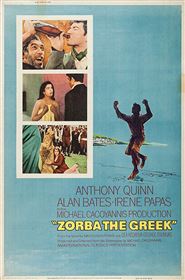
Zorba the Greek
Basil
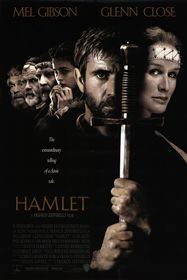
Hamlet
Claudius
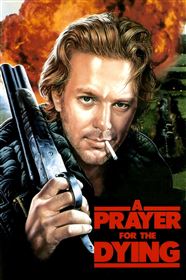
A Prayer For The Dying
Jack Meehan
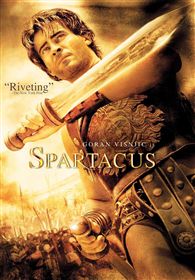
Spartacus
Agrippa 2 episodes, 2004
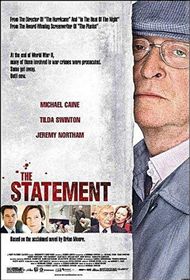
The Statement
Armand Bertier
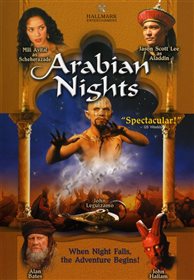
Arabian Nights
Storyteller
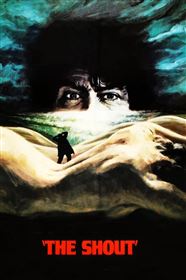
The Shout
Charles
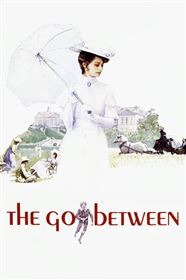
The Go-Between
Ted Burgess
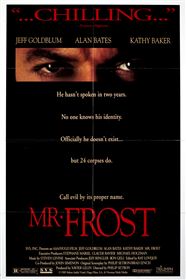
Mister Frost
Felix Detweiler
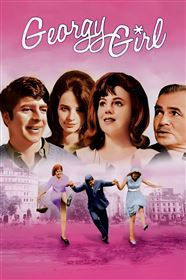
Georgy Girl
Jos Jones
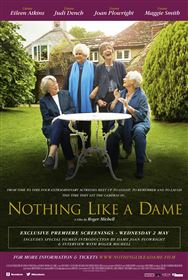
Tea with the Dames
Anthony (archive footage) (uncredited)
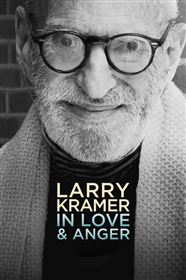
Larry Kramer in Love and Anger
Self - Rupert Birkin
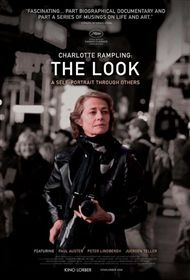
The Look
Jos Jones (archive footage) (uncredited)
Spartacus
Agrippa 2 episodes, 2004
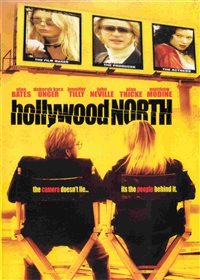
Hollywood North
Michael Baytes
The Statement
Armand Bertier
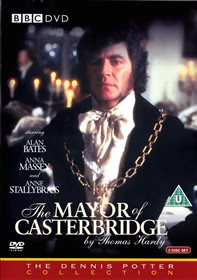
The Mayor of Casterbridge
Michael Henchard (7 episodes, 1978)
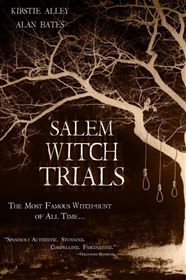
Salem Witch Trials
Sir William Phips
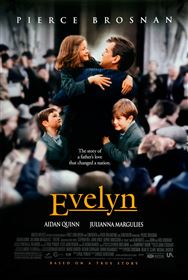
Evelyn
Tom Connolly
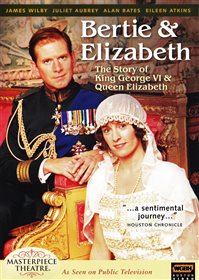
Bertie and Elizabeth: The Reluctant Royals - The Story of King George VI & Queen Elizabeth
King George V
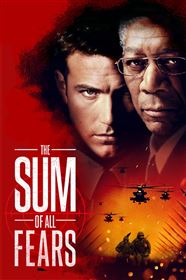
The Sum of All Fears
Richard Dressler
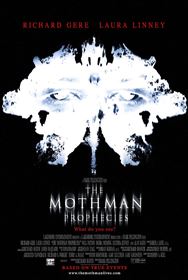
The Mothman Prophecies
Alexander Leek
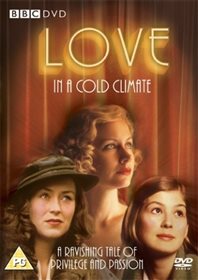
Love In A Cold Climate
Uncle Matthew
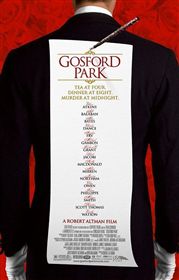
Gosford Park
Jennings
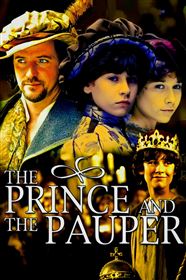
The Prince And The Pauper
King Henry VIII
Arabian Nights
Storyteller
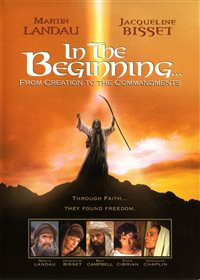
In the Beginning
Jethro
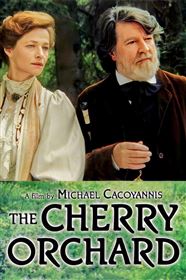
The Cherry Orchard
Gayev
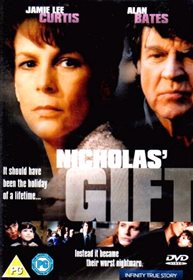
Nicholas' Gift
Reg Green
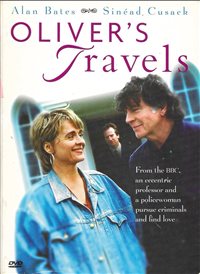
Oliver's Travels
Oliver (3 episodes, 1995)
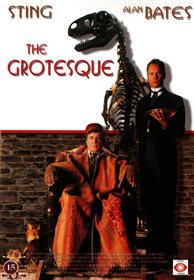
The Grotesque
Sir Hugo Coal
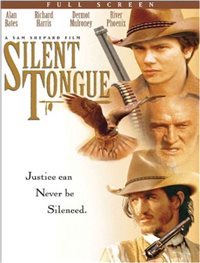
Silent Tongue
Eamon McCree
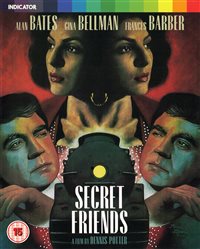
Secret Friends
John
Hamlet
Claudius
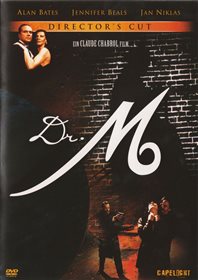
Doctor M
Dr. Marsfeldt / Guru
Mister Frost
Felix Detweiler
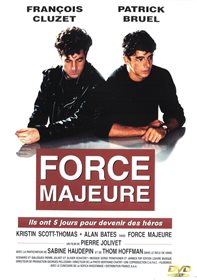
Uncontrollable Circumstances
Malcolm Forrest
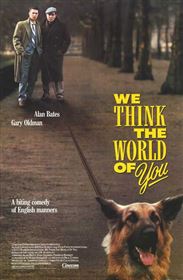
We Think the World of You
Frank Meadows
A Prayer For The Dying
Jack Meehan
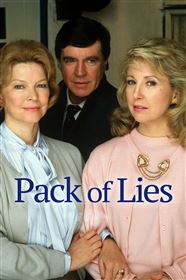
Pack of Lies
Stewart
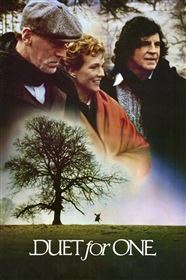
Duet for One
David Cornwallis
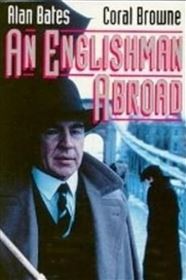
An Englishman Abroad
Guy Burgess
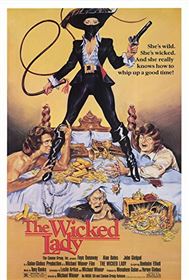
The Wicked Lady
Jerry Jackson
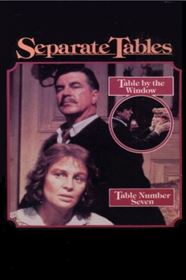
Separate Tables
John Malcolm / Maj. Pollock
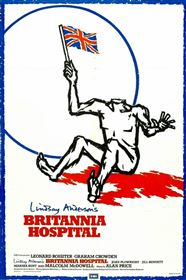
Britannia Hospital
Macready
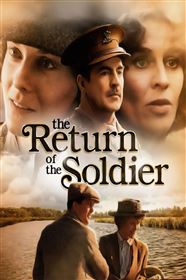
The Return of the Soldier
Captain Chris Baldry
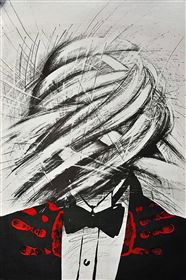
Rece do góry
Wikto
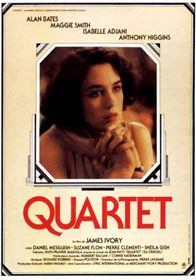
Quartet
H.J. Heidler
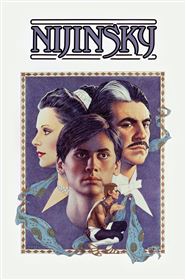
Nijinsky
Sergei Diaghilev
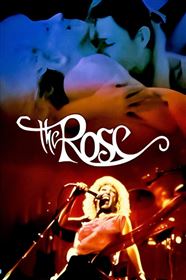
The Rose
Rudge Campbell
The Shout
Charles
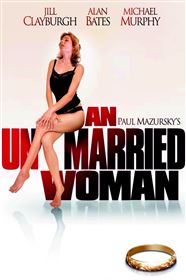
An Unmarried Woman
Saul Kaplan
James
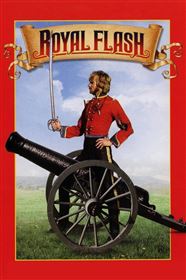
Royal Flash
Rudi Von Sternberg
In Celebration
Andrew Shaw
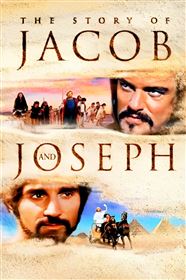
The Story of Jacob and Joseph
Narrator (voice)
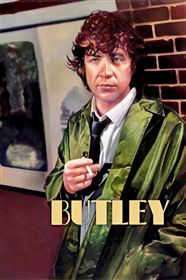
Butley
Ben Butley
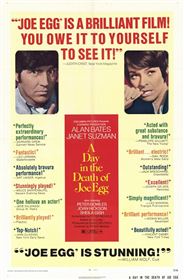
A Day in the Death of Joe Egg
Bri
Tom
The Go-Between
Ted Burgess
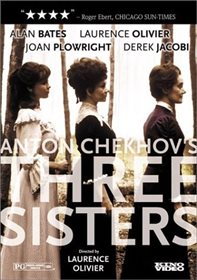
Three Sisters
Col. Vershinin
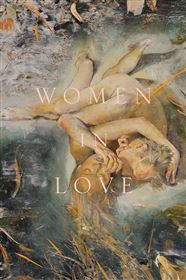
Women in Love
Rupert Birkin
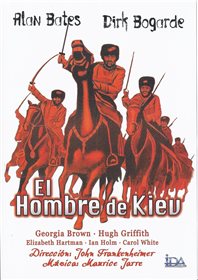
The Fixer
Yakov Bok
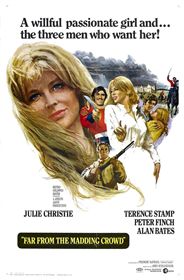
Far from the Madding Crowd
Gabriel Oak
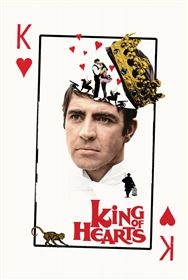
King of Hearts
Le Soldat Charles Plumpick
Georgy Girl
Jos Jones
Zorba the Greek
Basil
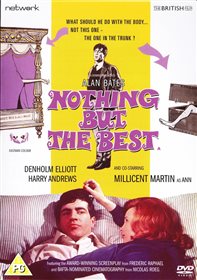
Nothing But the Best
Jimmy Brewster
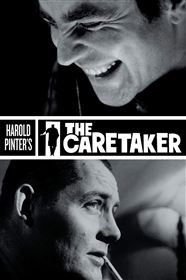
The Guest
Mick
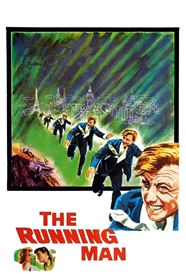
The Running Man
Stephen Maddux
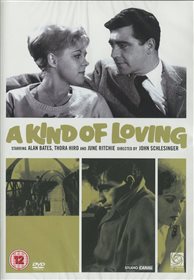
A Kind of Loving
Vic
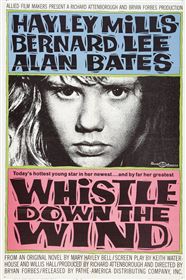
Whistle Down the Wind
The Man
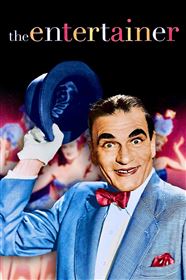
The Entertainer
Frank Rice
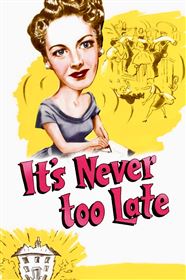
It's Never Too Late
King Lear (uncredited) (unconfirmed)


