Rudolf Klein-Rogge
Biography
Friederich Rudolf Klein-Rogge (November 24, 1885 - May 29, 1955) was a German film actor. Klein-Rogge is known for playing sinister figures in films in the 1920s and 1930s as well as being a main-stay in director Fritz Lang's Weimar-era films. Klein-Rogge was born in Cologne, Germany.[1] He began taking acting lessons while studying art history in Berlin and Bonn. Klein-Rogge made his acting debut at in 1909, playing Cassius in Julius Caesar in Halberstadt.[2][1] Klein-Rogge went on to play in theaters located in Düsseldorf, Kiel and Aachen.[1] In Aachen, Klein-Rogge met actress and screenwriter Thea von Harbou. The two married in 1914.[2] In 1915, Klein-Rogge joined Nuremberg's Städtische Bühnen theatre as both an actor and director.[1] In 1919, Klein-Rogge began acting in films.[1][2] He appeared in an uncredited role as the criminal in The Cabinet of Dr. Caligari.[3][4] During this time, von Harbou was having affairs with director Fritz Lang and eventually left Klein-Rogge to marry Lang.[2] Despite the split, Klein-Rogge made several films that were written by von Harbou and directed by Lang, including Destiny, Dr. Mabuse the Gambler, Die Nibelungen, Metropolis and Spies. Klein-Rogge's intense look lead him to similar roles such as a tyrant in Fritz Wendhausen's Der steinerne Reiter, a pirate in Arthur Robison's Pietro der Korsar, and the Czar in Alexandre Volkoff's Casanova. Klein-Rogge's last film with Lang was The Testament of Dr. Mabuse in 1933.[1] Klein-Rogge played the lead roles in two films directed by von Harbou: Elisabeth und der Narr and Hanneles Himmelfahrt.[1] Klein-Rogge re-married twice. First with Margarete Neff and secondly with the Swedish actress Mary Johnson.[2] Partial filmography: The Cabinet of Dr. Caligari (1920) Destiny (1921) Dr. Mabuse the Gambler (1922) Warning Shadows (1923) Die Nibelungen (1924) Metropolis (1927) Spies (1928) The Testament of Dr. Mabuse (1933)


Metropolis
C. A. Rotwang, the inventor
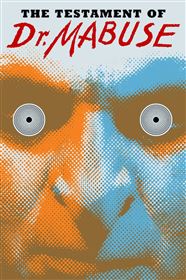
The Testament of Dr. Mabuse
Docteur Mabuse
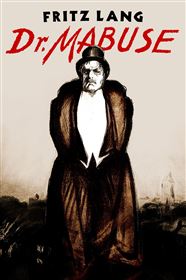
Dr. Mabuse, the Gambler
Dr. Mabuse (as Rudolf Klein Rogge)

Spies
Haghi
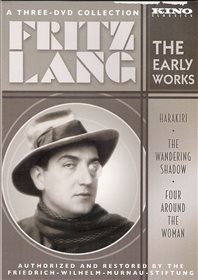
The Wandering Image
Georgs Vetter Wil Brand
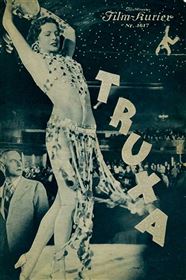
Truxa
Varieté-Direktor
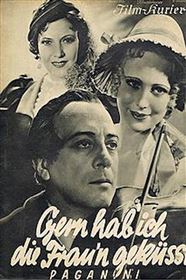
Paganini
Graf Hédouville, Kurier Napoleons
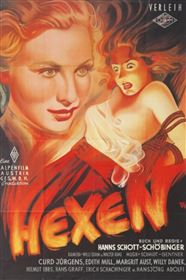
Hexen
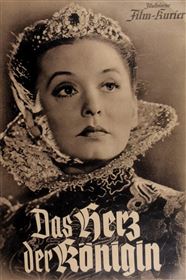
The Heart of a Queen

Der alte und der junge König
Leopold Dessauer
From Caligari to Hitler: German Cinema in the Age of the Masses
Himself (archive footage)

Queen: Greatest Video Hits 2
C.A. Rotwang
Hexen

Hochzeit auf Bärenhof
Sanitätsrat
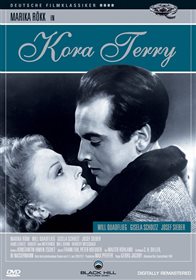
Kora Terry
Dunkler Ehrenmann, Komplize Vopescus
The Heart of a Queen

Robert Koch, der Bekämpfer des Todes
Rechnungsrat
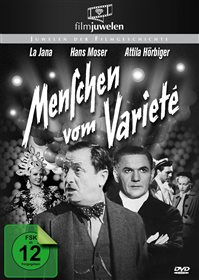
Menschen vom Varieté
Kommissar Wiedemann
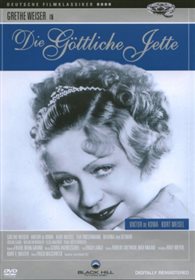
Die göttliche Jette
Stadtrat Müller
Truxa
Varieté-Direktor
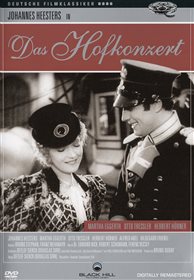
Das Hofkonzert
Oberst Flumms

Der Kaiser von Kalifornien
Bankier
Der alte und der junge König
Leopold Dessauer
Paganini
Graf Hédouville, Kurier Napoleons
The Testament of Dr. Mabuse
Docteur Mabuse
Spies
Haghi
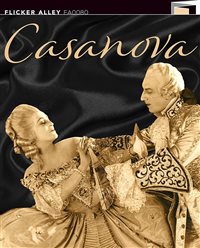
Casanova
Le Tsar Peter III
Metropolis
C. A. Rotwang, the inventor
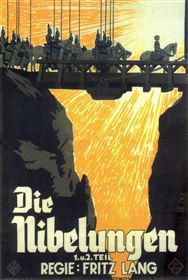
Die Nibelungen: Kriemhild's Revenge
King Etzel

Die Nibelungen: Siegfried
King Etzel
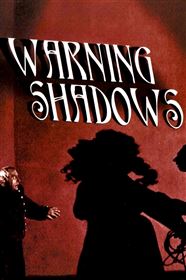
Warning Shadows
Unknown
Dr. Mabuse, the Gambler
Dr. Mabuse (as Rudolf Klein Rogge)
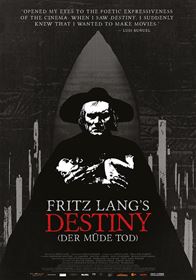
Destiny
Derwisch / Girolamo
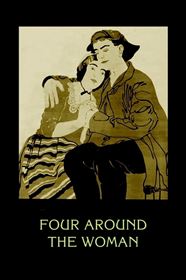
Four Around the Woman
Hehler Upton
The Wandering Image
Georgs Vetter Wil Brand

The Cabinet of Dr. Caligari
Ein Verbrecher (uncredited)


