Emmanuelle Riva
Biography
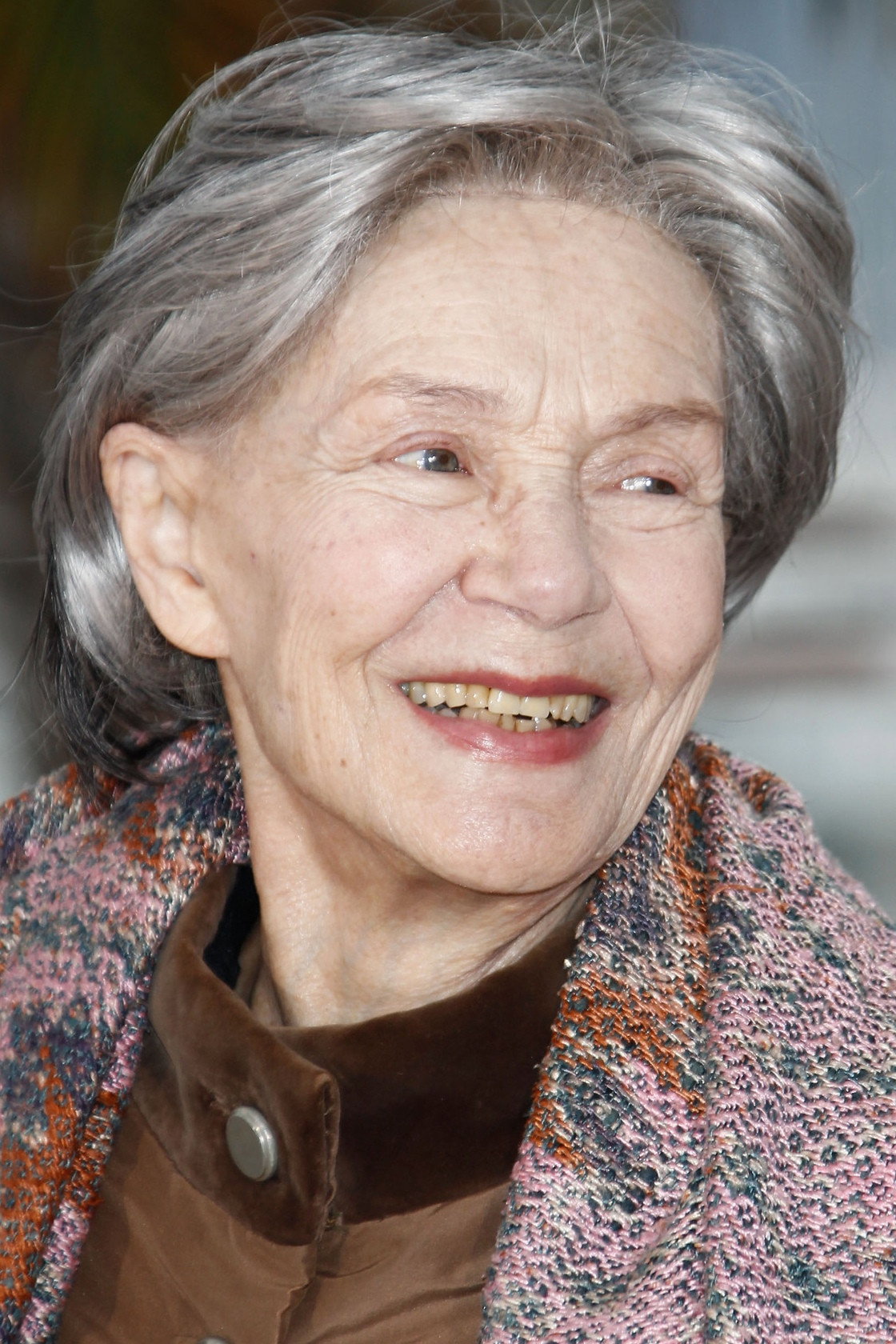
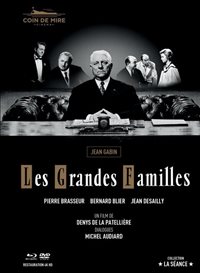
An only child, Emmanuelle was born Paulette Germaine Riva in Cheniménil , but eventually grew up in Remiremont. Since she was 6, she dreamed of becoming an actress, so that the entire world would take notice of her. This ambition was, however, to be met with firm opposition from her own family. Emmanuelle's father, a strict disciplinarian to whom the word "actress" was basically a synonym for "prostitute" , disapproved of her way of thinking, since it clashed with the simple values he wished to pass on to her. Emmanuelle felt great affection towards her parents, but, at the same time, was under the impression that they couldn't really understand what she wanted. A bit of a tomboy and a rebel in her schooldays, she showed little interest in studying , but always directed her passion towards acting, appearing in every year-end play. In her early 20's, Emmanuelle was to find out the true meaning of nervous depression. Having completed the seamstress apprenticeship she had started at age 15 on her mother's wishes , she eventually resigned herself to take up this profession , also discouraged by the thought that , in a city like Remiremont , the only possible alternative was to become a hairdresser . The sense of boredom that was weighing her down actually got so devouring that sewing sort of became the only form of escape from the horror of her everyday reality . But luckily , things were soon to change for the better . The day Emmanuelle discovered the announcement of a contest at the Dramatic Arts Centre of Rue Blanche was the day she found the courage to stand up to her parents and state that she would have traveled to Paris to become an actress . Having finally understood the depth of her sadness, her family couldn't oppose her wishes any longer , so , on the 13th May of 1953 , she arrived in Paris . At the Rue Blanche contest , Emmanuelle auditioned in front of one of the leading actors and directors of the Comédie-Française , the great Jean Meyer . She chose to act one scene from "On ne badine pas avec l'Amour" by Alfred De Musset . Meyer and the other acting teachers in the jury were just mesmerized by her performance and immediately realized that they had found the next big thing . It goes without saying that Emmanuelle was awarded a scholarship and Meyer himself decided to take her as his own pupil . At 26 , Riva was too old to enter the French National Academy of Dramatic Arts , but she soon got her big break anyway , since French stage pillar René Dupuy cast her in a production of George Bernard Shaw's "Arms and the Man" . Her next theatrical credits were "Mrs.Warren's Profession" ( Shaw ) , "L'espoir" (Henry Bernstein) , "Le dialogue des Carmélites" (Georges Bernanos) , Britannicus (Jean Racine) , "Il seduttore" (Diego Fabbri) . Emmanuelle' silver screen debut was in a 1957 episode of the history program "Énigmes de L'Histoire" , "Le Chevalier d'Éon". In the program , she played the Queen of England opposite Marcelle Ranson as the cross-dressing knight in the service of the French crown . 1958 , on the other hand , was the year that saw her first film appearance , an uncredited role in the Jean Gabin movie "Les grandes familles" . The following year would , however , mark a turning point in her career . Emmanuelle was starring in a Dominique Rolin play , "L'Epouvantail" , at the "théatre de L'Oeuvre" in Paris when one night she found a visitor in her dressing room . His name was Alain Resnais and he was a young director responsible for just a few shorts and documentaries . He was apparently looking for the female lead of his first feature film , "Hiroshima Mon Amour" , based on a script by the great author , Marguerite Duras .Having seen a picture of Riva in a playbill of the production she was currently starring in , Resnais had immediately urged to see her . Without promising her anything , the director just asked Emmanuelle if he could take a few photos of her , so that he would have later shown them to Duras for a response. Emmanuelle agreed and , just as she set her eyes upon the actress' enigmatic and melancholic expression , Duras immediately realized that they had found the one they were looking for. "Hiroshima Mon Amour" turned out to be one of the most acclaimed and representative movies of the French new Wave and launched both Resnais and Riva's careers in full orbit . Being somehow familiar with a sense of captivity , Emmanuelle gave an incredibly personal and involving performance as the unnamed heroine of the movie and one that came straight from her heart . The phenomenal subtlety , intelligence and dramatic intensity of her performance made "Elle" one of the most indelible characters in film history . Duras' screenplay received an Oscar nomination , but Emmanuelle's star-making turn was sadly overlooked . One year later, Emmanuelle was known as a major talent and , consequently, plenty of directors from different nationalities were knocking at her door. She followed her Hiroshima success with two acclaimed turns in "Le huitième jour" and "Recours en grâce". In addition to playing these leading roles for French cinema, a scene-stealing Riva was also seen as Simone Signoret's feisty friend in Antonio Pietrangeli's excellent "Adua e le Compagne" and gave the standout performance in Gillo Pontecorvo's superb "Kapo'" as a Jewish prisoner in a concentration camp . Enter 1961 : another year , another career highlight . Emmanuelle was cast opposite Jean-Paul Belmondo in Jean-Pierre Melville's ground-breaking ( and shocking for its time ) "Léon Morin , prêtre". In the movie , Riva's Barny , an atheist widow , and Belmondo's Morin , a young and seductive priest , develop a deep , theological relationship with strong sexual implications . Melville cast Emmanuelle thinking that she possessed the kind of intellectual eroticism the character needed and decided to demean her appearance as much as possible by having her dressed in the plainest clothes , so that Barny's major appeal would have been the cultural vivacity shining through her beautiful facial features . Riva and Belmondo's performances turned out to be outstanding and the film , against all odds , ended up being a big success . Riva next appeared in "Climats" , the first ( and only ) feature film of tv writer and director Stellio Lorenzi , the man behind celebrated history programs such as "La Caméra explore le temps" and its immediate predecessor , "Énigmes de L'Histoire" , where Emmanuelle had done her screen debut. Adapting André Maurois' novel , Lorenzi hired Emmanuelle seeing her great interpretational sensitivity as being close to the nature of the character she would have played in the movie , also starring Jean-Pierre Marielle and Marina Vlady . In the story , Marielle is torn between sacred and profane love , leaving Vlady's vain and frivolous Odile for Riva's kind and good-hearted Isabelle . The same year , Emmanuelle scored another huge personal triumph as the title heroine of Georges Franju's "Thérèse Desqueyroux". Her performance as François Mauriac's ill-fated 20th century Emma Bovary was a true masterpiece of psychological introspection : she perfectly captured all the key traits of the character at once , making her vulnerability coexist with her spirit of rebellion and her desire for freedom go along with a strong sense of self-destruction . Emmanuelle's work in the movie won her enormous raves and a sacred Volpi Cup at Venice Film Festival . For the rest of the 60's ( her golden period ) , Emmanuelle kept playing leading roles in French and Italian movies alike and also expanded her work to the tv medium . She found excellent , show-casing roles both in Thomas L'Imposteur ( where she was directed by Franju for the second and last time ) and in the lovely comedy "Le Ore dell'Amore" where she enjoyed a very unusual kind of wedding to Ugo Tognazzi . The third segment of "Io Uccidi , Tu Uccidi" paired her for the first time with Jean-Louis Trintignant . In this story of "Amour Fou" , Riva plays a woman willing to make the ultimate sacrifice to save Trintignant's character , a man unworthy of her affection . Some tv work the actress did in this decade deserves to be noted as well . She reprised the role of Thérèse Desqueyroux in "La fin de la nuit" , a dark and crepuscular adaptation of the Mauriac novel of the same name . This sequel follows Thérèse as she relocates to Paris where she has nothing to do but waiting for death to come. The tv play "La Forêt Noire" , a fictionalized retelling of the relationship between Brahms and the Schumanns , featured another remarkable Riva performance . Going into the 70's and 80's , it wasn't easy for Emmanuelle to keep replicating the impact of her early performances and , while she always played leading roles in her native France , the majority of her movies didn't have a great international resonance . Misguided productions like Fernando Arrabal's "J'irai comme un cheval fou" proved totally unworthy of her talent . Between 1982 and 1983 she was served with another couple of meaty parts to sink her teeth into . The first was in Marco Bellocchio's "Gli Occhi , la bocca" ( an underrated sequel of sorts to "I Pugni in Tasca" ) as the mother of Lou Castel , here taking the role of Giovanni , the actor who had supposedly played Alessandro in the classic movie . The second was in Philippe Garrel's poignant "Liberte', la Nuit" where she was paired with the director's father , the glorious actor , Maurice Garrel . In the subsequent years , Emmanuelle always found work in respectable productions , with the great director occasionally calling her for a project of superior quality ( like Krzysztof Kieslowski's "Trois Couleurs : Bleu" ) but the great roles seemed to be way behind her by now . In 2008 , she had a nice cameo in "Un Homme et son Chien" , a French remake of Umberto D. which reunited her with her "Léon Morin , prêtre" co-star , Jean-Paul Belmondo . Riva briefly appears in the movie as a gentle lady who meets Belmondo's character - not coincidentally - in a church . Emmanuelle was soon to enjoy , however , an incredible and unforeseen career renaissance . In 2011 she was cast in Michael Haneke's latest movie , "Amour" . The script managed as well to get Jean-Louis Trintignant out of retirement and frequent Haneke collaborator Isabelle Huppert also got on board for the ride . Haneke had written the script with precisely Trintignant in mind , but hadn't already thought of a specific actress to play Anne . The director had greatly admired Emmanuelle's performance in "Hiroshima Mon Amour" , but wasn't much familiar with her subsequent work . Still , a recent photo of hers lead him to think that she would have been believable as Trintignant's wife and decided to audition her along with a few other actresses her age . It soon became obvious that she was the best choice in the world . The Austrian director's most recent masterpiece follows Georges (Trintignant) and Anne (Riva) , a long time married couple whose life changes drastically when she suffers a stroke . An incredibly deep reflection about the two most important components of life , love and death , Haneke's heartbreaking movie took Cannes film festival by storm , making obvious from the day it was screened that no other film had the slightest possibility to win the Golden Palm . A fundamental part of "Amour"'s success were of course the immense central performances of its two leads . Jury president Nanni Moretti would have liked to give "Amour" the main festival prize along with top acting honours for its two veteran stars , but unfortunately a festival rule forbids to give any other major award to the Golden Palm winner . Moretti was displeased by this , but he still managed to find a way to recognize Trintignant and Riva's work . Although the Best Actor Award went to Mads Mikkelsen for "Jagten" and the Best Actress Award was given to Cosmina Stratan and Cristina Flutur for "Dupa dealuri" , the Golden Palm was awarded not only to the director of "Amour", but also to its leads for their indispensable work . All three were invited on the stage to make an acceptance speech : it was an honour no other thespian had ever received before. Although Haneke remains the only official recipient of the Palm , Riva and Trintignant were , in spirit , the big acting winners of the 65th edition of the prestigious film festival . But the love for "Amour" wasn't to end here . Having recently amazed the audience at Toronto film festival , the film promises to do this over and over while getting screened all around the globe . Having always been in possession of one of cinema's most expressive faces , being equally effective with her physical language and having displayed unsurpassable courage and honesty in portraying the deterioration of Anne's body and soul , Emmanuelle gave a performance that went beyond every linguistic barrier and strongly touched and affected everyone who saw it . Her stunning work is for the ages . One can also hope that this recent triumph means that we'll keep seeing more and more of her in high-profile productions for years to come . Like in the case of older French acting legends Danielle Darrieux and Micheline Presle , Emmanuelle just showed that she has still a lot to offer . Now , considering that she won her first audience by acting one scene from "On ne badine pas avec l'Amour" in front of her future mentor , got her international consecration by playing the leading role in "Hiroshima Mon Amour" and rose from her ashes with her superlative work in "Amour" , one can conclude that the word Amour is most definitely a good luck charm to Emmanuelle Riva . IMDb Mini Biography By: Riccardo Simonazzi Trivia She's also a poet. She has Italian ancestry - her paternal grandfather was from Lombardy. Favourite movies include "L'Avventura" (1960), "Smultronstället" (1957 ), "Jules et Jim" (1962), "La notte" (1961), "Ilektra" (1962), 14-18 (1965). Hobbies include traveling, cooking and biking. Both Emmanuelle and her "Amour" co-star, Jean-Louis Trintignant, were part of Krzysztof Kieslowski's Three Colors Trilogy. She appeared in "Trois couleurs: Bleu" while he played the leading male role in "Trois couleurs: Rouge".

Amour
Anne
Hiroshima Mon Amour
Elle (as Emmanuele Riva)
Léon Morin, Priest
Barny (as Emmanuele Riva)
Les risques du métier
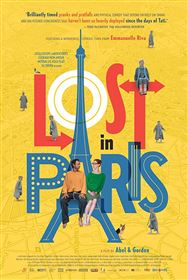
Lost in Paris
Martha
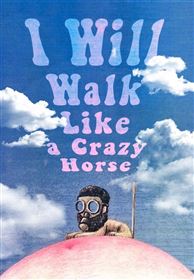
I Will Walk Like a Crazy Horse
La mère (Madame Rey)
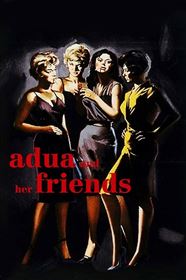
Hungry for Love
Marilina (as Emmanuele Riva)
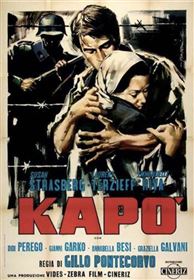
Kapo
Terese
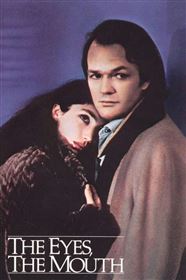
The Eyes, the Mouth
Mother
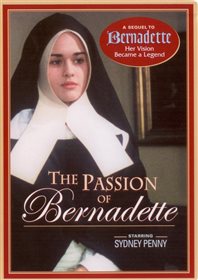
La passion de Bernadette
Mère Marie-Thérèse Vauzou
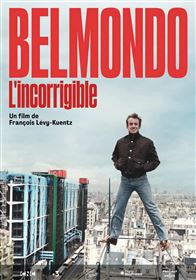
Belmondo L'Incorrigible
(archive footage)
Lost in Paris
Martha
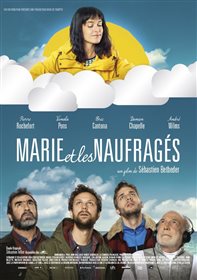
Marie et les Naufragés
Suzanne
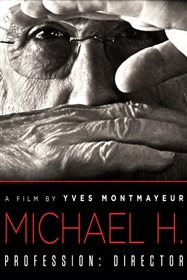
Michael H. - Ammatti: Ohjaaja
Self
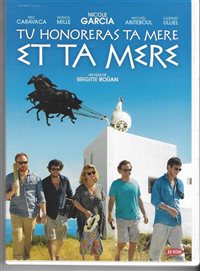
Tu honoreras ta mere et ta mere
Granny
Amour
Anne
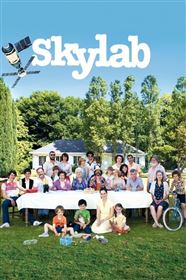
Skylab
Mme Prévost dite Mémé - la mère d'Anna
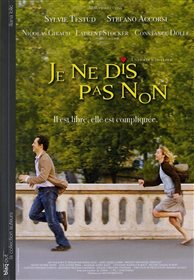
Can't Say No
Mme Revison
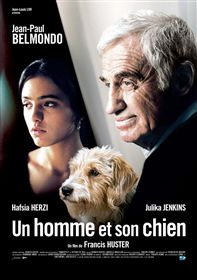
Un homme et son chien
Femme église
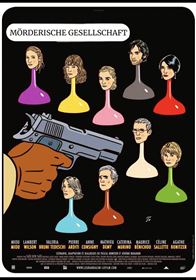
Le grand alibi
Geneviève Herbin
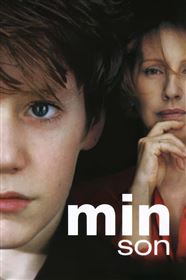
Mon fils à moi
La grand-mère
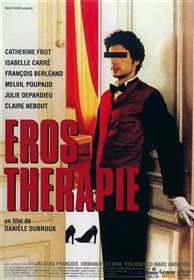
Je suis votre homme
Emma
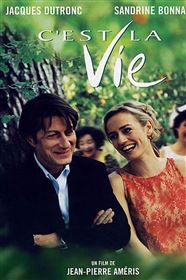
C'est la Vie
Dominique
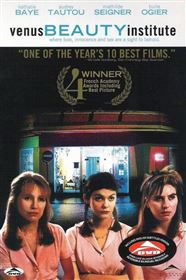
Venus Beauty Institute
Tante Lyda
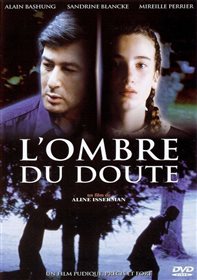
L'ombre du doute
Grandmother

Three Colors: Blue
La mère
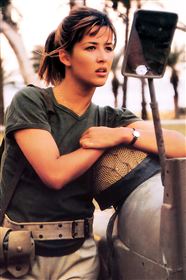
For Sasha
Mrs. Malka
La passion de Bernadette
Mère Marie-Thérèse Vauzou
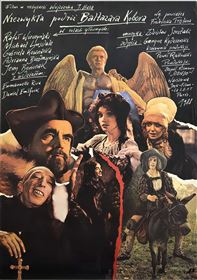
Mother
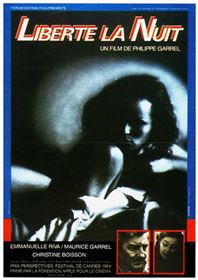
Liberté, la nuit
Mouche, the wife
The Eyes, the Mouth
Mother
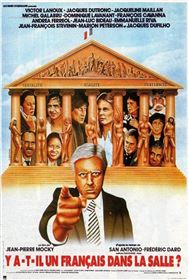
Is There a Frenchman in the House?
Adélaïde Tumelat
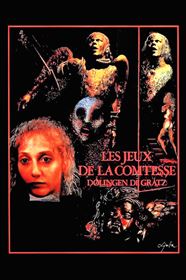
The Games of Countess Dolingen
Une invitée
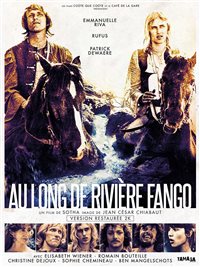
Au long de rivière Fango
Mathilde
I Will Walk Like a Crazy Horse
La mère (Madame Rey)
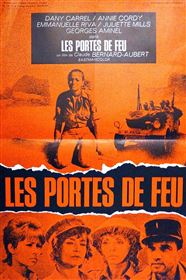
Les portes de feu
La baronne
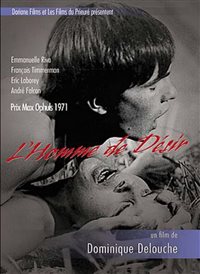
L'homme de Désir
Valentine
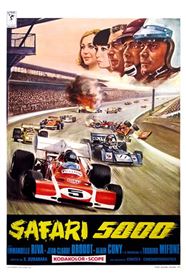
Safari 5000
Anna Leduc
Les risques du métier
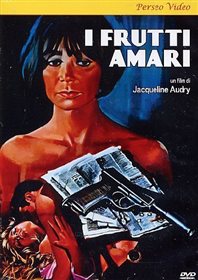
Fruits amers - Soledad
Soledad
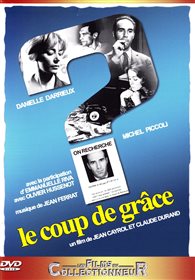
Le Coup de Grâce
Sophie
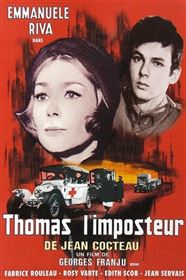
Thomas the Impostor
La princesse de Bormes (as Emmanuèle Riva)
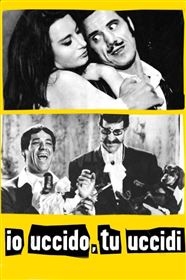
I Kill, You Kill
Lucia Rossi Perozzi
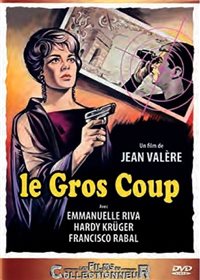
Le gros coup
Clémence Grandval
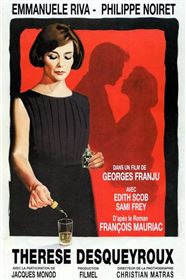
Therese
Thérèse Desqueyroux (as Emmanuele Riva)
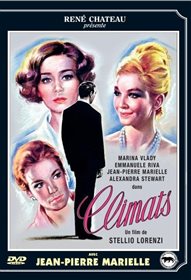
Climats
Isabelle
Léon Morin, Priest
Barny (as Emmanuele Riva)
Kapo
Terese
Hungry for Love
Marilina (as Emmanuele Riva)
Hiroshima Mon Amour
Elle (as Emmanuele Riva)
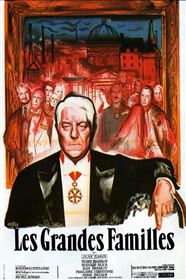
The Possessors
La secrétaire (uncredited)
The Possessors
La secrétaire (uncredited)


