
Cobra (1925)
Romance/Classic/Drama · 1/2/1925


Description
Rudolph Valentino's first independent production, COBRA, was released less than a year prior to the actor's untimely death at age 31. It is an unusual and contradictory showcase for the actor who is remembered more than any other as the icon of irresistible sexuality in Hollywood silent film. Beleaguered by women in his native land, a promiscuous Italian Count, Rodrigo Torriani (Valentino) escapes to New York to work for an elegant antiques dealer specializing in Italian objects d'art. The ambitious young man cannot suppress the Don Giovanni within himself and he is soon embroiled in a new series of romantic entanglements with secretaries, husband-hunters and extortionists. But when his best friend's new wife captures suave Torriani in her Cobra-like gaze, he reforms just in time to avoid disgrace and even death-by-fire. COBRA was made at a time when every element of the young star's professional life was controlled by his wife, Natacha Rambova. Imagining that Valentino would out-do Douglas Fairbanks in films notable for scenes of pageantry, athleticism, and derring-do, she wrote for Rudy a treatment for an enormous spectacle of medieval Spain to be called The Hooded Falcon. With proposed co-star Nita Naldi, the Valentinos traveled to that country where they spent more than one hundred thousand dollars of producer J. D. Williams' money on Spanish antiques and props. Rambova committed for the services of other actors. Joseph Henabery, who endured Rambova's interference with his direction of A Sainted Devil, was engaged for the same task. Also hired were cameraman Harry Fischbeck, whose photography of Valentino's previous two films had been much admired; and designers Adrian for costumes, and William Cameron Menzies (fresh from Fairbanks' awe-inspiring The Thief of Bagdad) for sets. (Continued inside) A NOTE ON THIS EDITION: This DVD edition of COBRA is digitally mastered at the visually correct speed of 22 frames per second from a full aperture mint-condition 35mm master positive printed from the original camera negative, thus preserving intact all of the photographic beauty which is one ol this film's most attractive qualities. The musical setting is compiled by Rodnev Sauer and Susan Hall from period arrangements and is recorded in digital stereo by the Mont Alto Theater Orchestra.




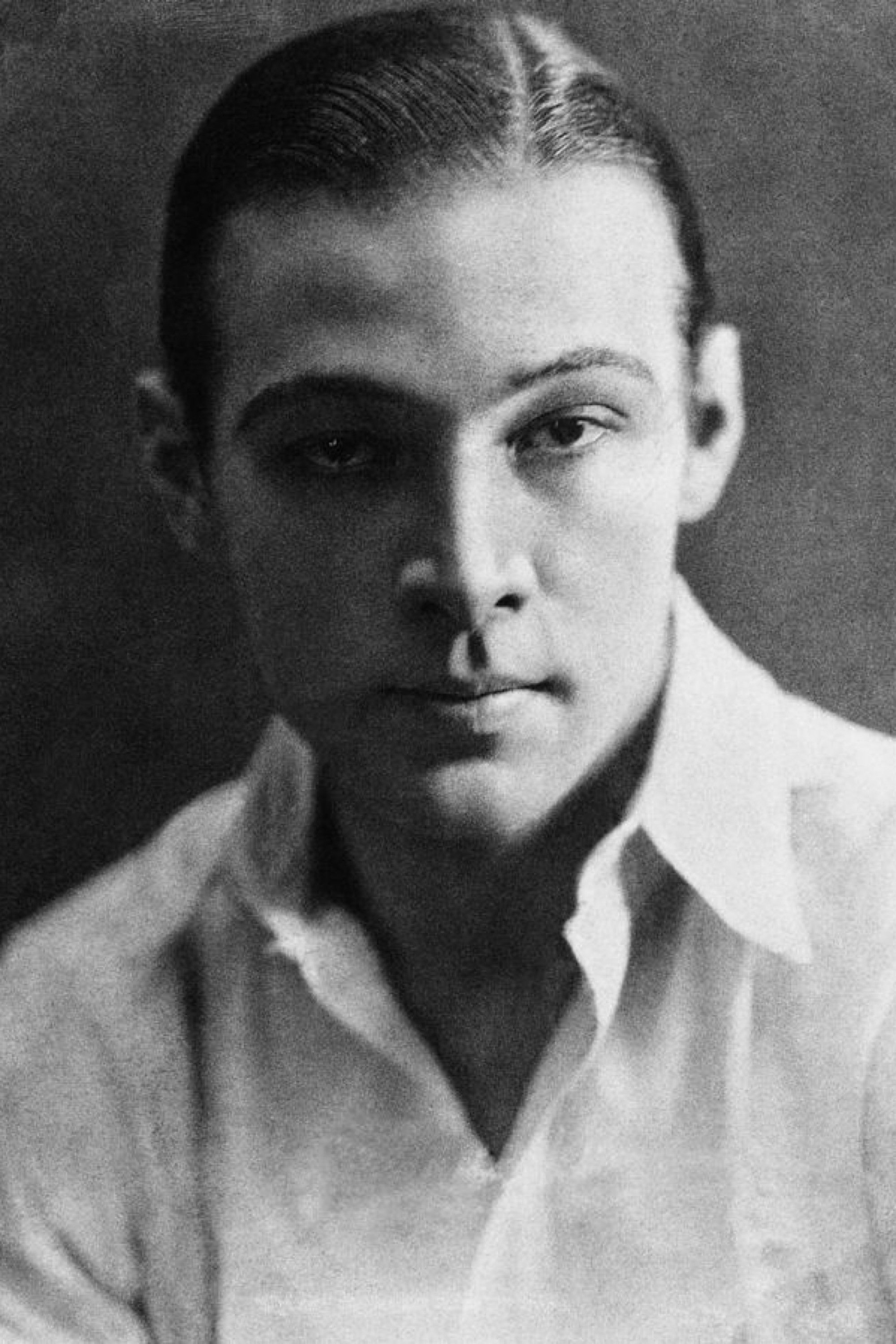
Rudolph Valentino
Count Rodrigo Torriani
Hector Sarno
Vittorio Minardi
Casson Ferguson
Jack Dorning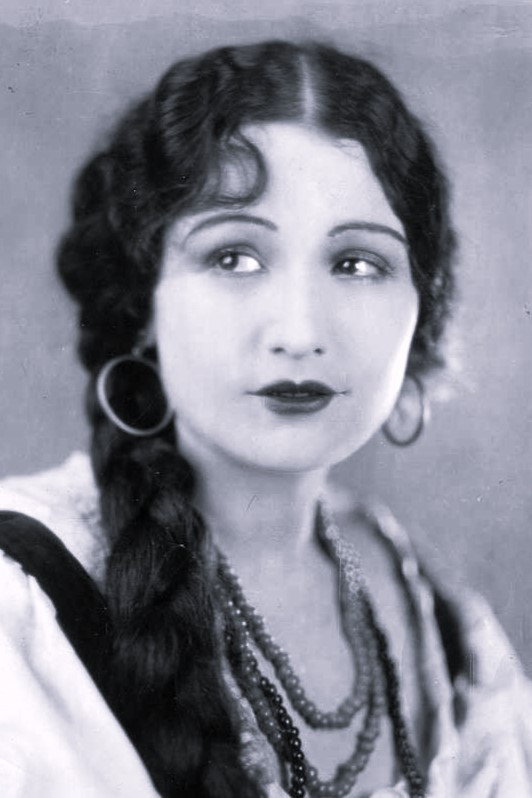
Claire de Lorez
Rosa Minardi
Gertrude Olmstead
Mary Drake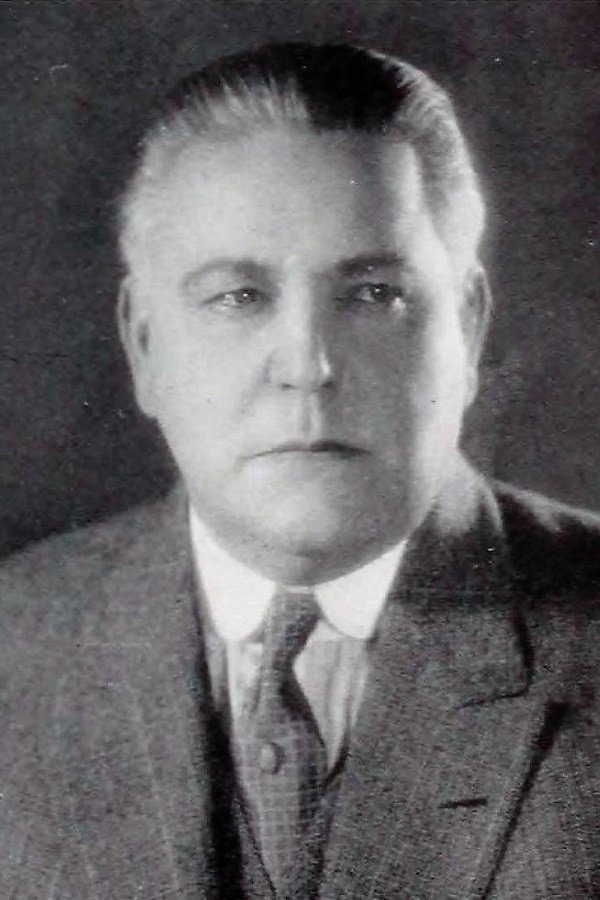
Henry A. Barrows
Henry Madison (as Henry Barrows)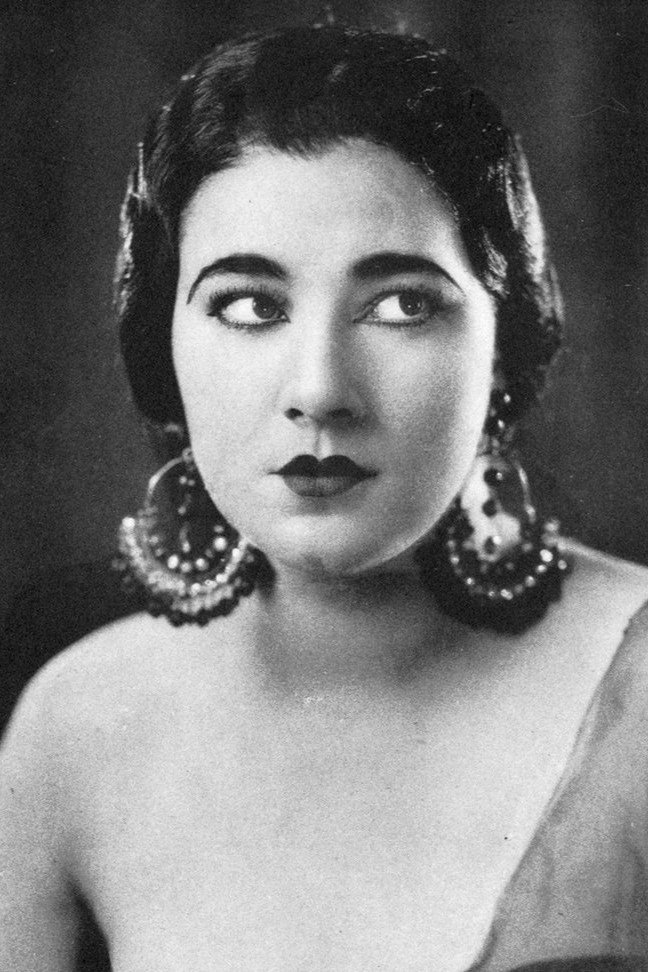
Nita Naldi
Elise Van ZileLillian Langdon
Mrs. Huntington Palmer
Eileen Percy
Sophie Binner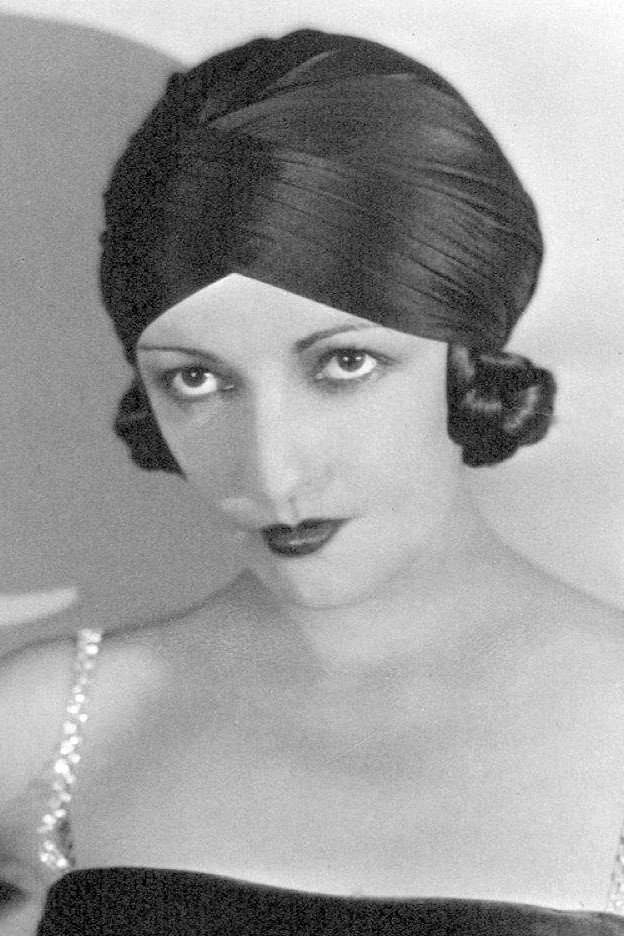
Natacha Rambova
Dancer (uncredited)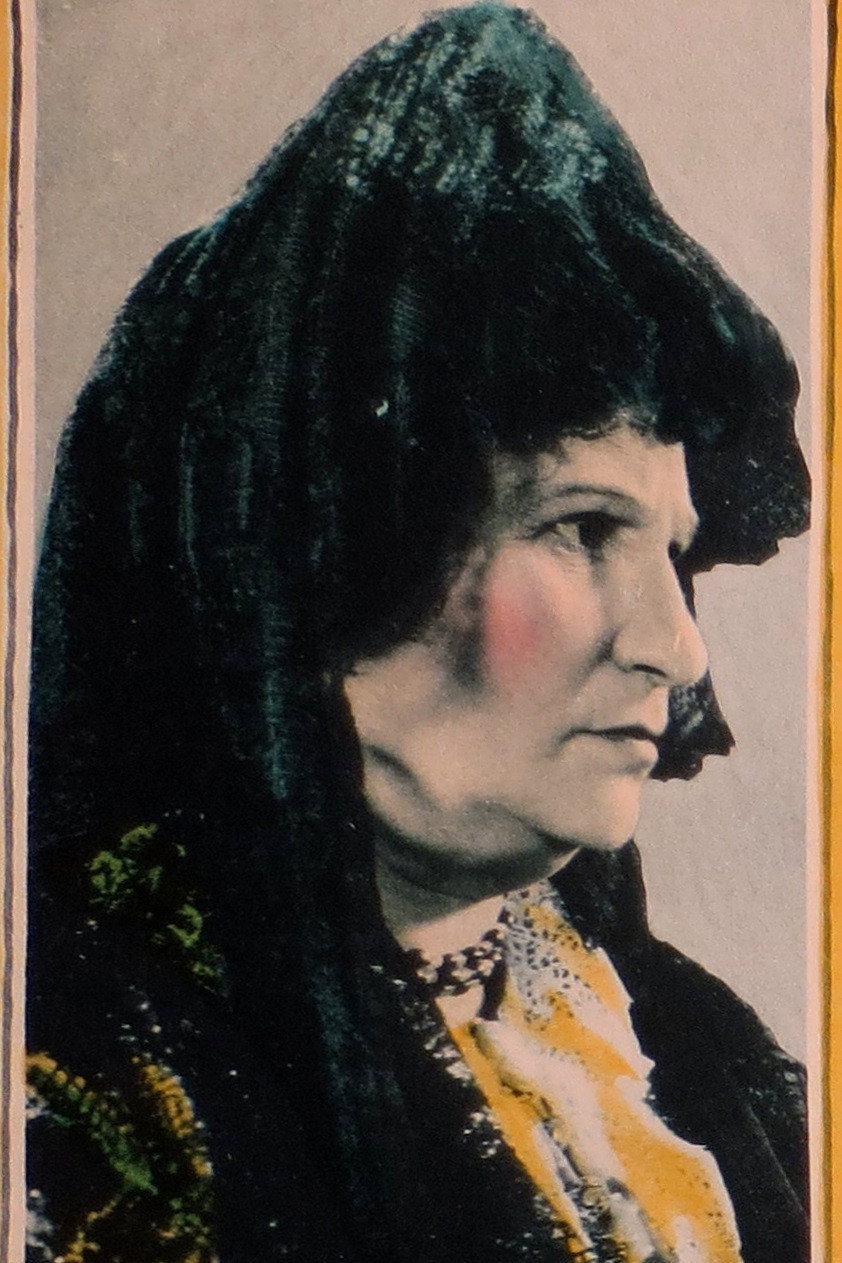
Rosa Rosanova
Marie (uncredited)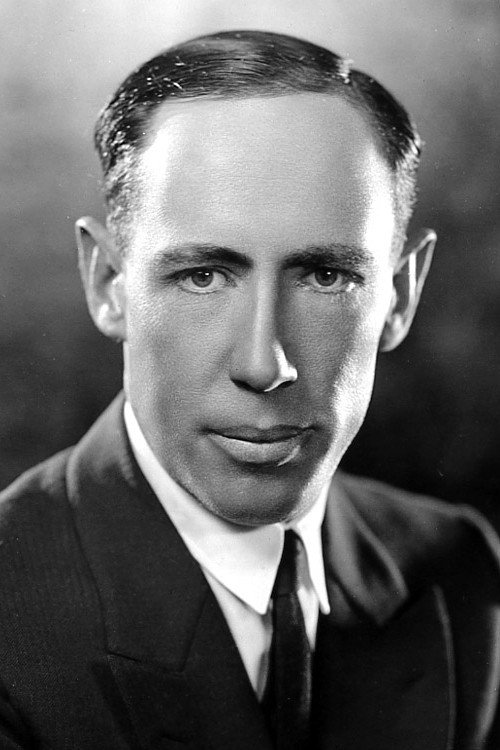
Joseph Henabery
Director
Martin Brown
WriterAnthony Coldeway
Writer
The Phantom of the Opera
The Merry Widow
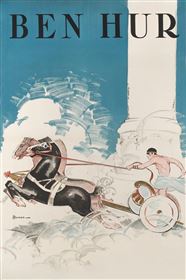
Ben-Hur: A Tale of the Christ
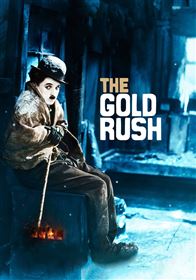
The Gold Rush
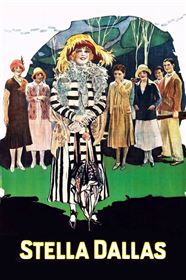
Stella Dallas
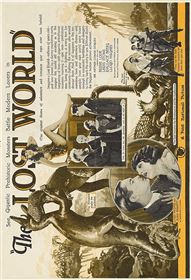
The Lost World
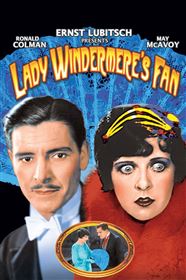
El Abanico de Lady Windermere

Seven Chances
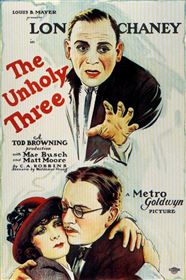
The Unholy Three

The Big Parade
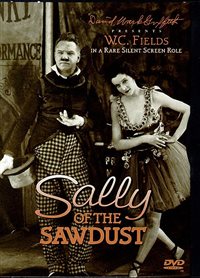
Sally of the Sawdust
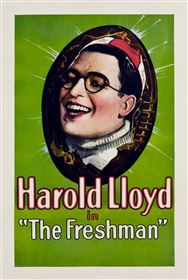
The Freshman

Go West
HE Who Gets Slapped
Greed
Sherlock Jr
The Iron Horse
The Thief of Bagdad

Girl Shy
The Navigator
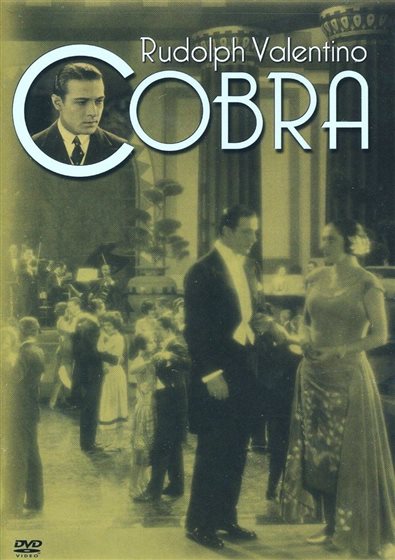
Cobra
(DVD)
7/13/1999


