
Homecoming (1941)
10/10/1941


Description
Spring 1939. In a small town in Poland, German minorities are the victims of ever-increasing hatred and violence. When Poland is invaded by Hitler, all Germans are rounded up and await execution. Based on true events, Gustav Ucicky's stylishly directed Heimkehr (Homecoming) is one of the most intense Nazi propaganda pictures ever made. It belongs to the overtly nationalistic "Heim Ins Reich' (Back Home to the Reich) genre of films so popular with German audiences during the Third Reich, wherein homesick Germans living abroad long to return home to Hitler's strong, new Reich. Technically an Austrian picture, Heimkehr was produced by Wien-Film, a German-controlled Viennese studio. The film was shot in Vienna, with extensive location work in Poland, and took nearly seven months to shoot. It stars popular Viennese actress Paula Wessely, one of the Führer's favorite actresses. It was premiered at the Venice Film Festival on August 31, 1941. Propaganda Minister Joseph Goebbels awarded it the rare Film der Nation (Film of the Nation) prize when the film opened in Berlin at the Ufa-Palast am Zoo on October 23, 1941. Heimkehr was immensely popular with audiences, was critically acclaimed, and ran in Reich cinemas for 15 months. After the war, it was seen as a perfidious propaganda effort to justify Hitler's invasion of Poland, and is banned In Germany and Austria.
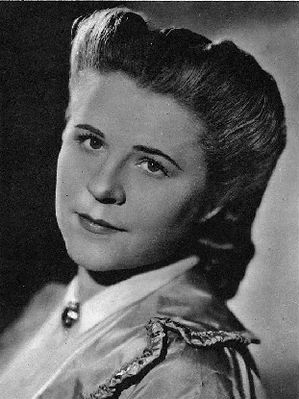
Paula Wessely
Maria Thomas
Peter Petersen
Dr. Thomas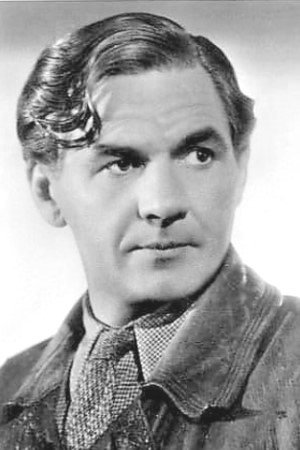
Attila Hörbiger
Ludwig LaunhardtRuth Hellberg
Martha Launhardt
Carl Raddatz
Dr. Fritz Mutius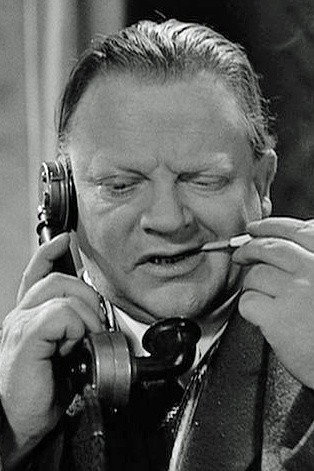
Otto Wernicke
Old Manz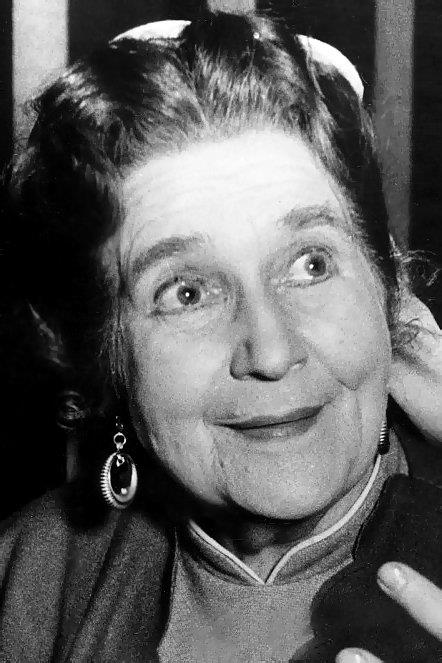
Elsa Wagner
Frau SchmidEduard Köck
Herr SchmidFranz Pfaudler
Balthasar Manz
Gerhild Weber
Josepha Manz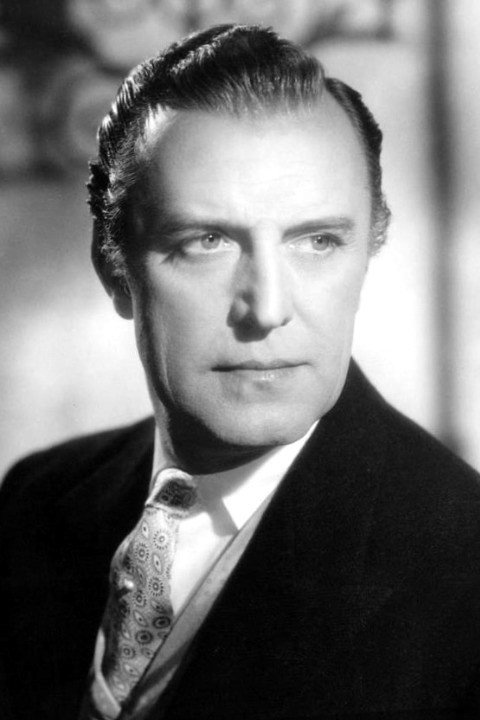
Werner Fuetterer
Oskar FrimlHermann Erhardt
Karl MichalekBerta Drews
ElfriedeEugen Preiß
SalomonsonBoguslaw Samborski
BürgermeisterAndrews Engelmann
Kinobesitzer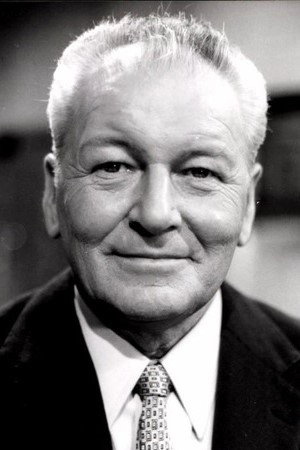
Heinz Engelmann
Deutscher SoldatWanda Szczepanska
Cinema ticket attendant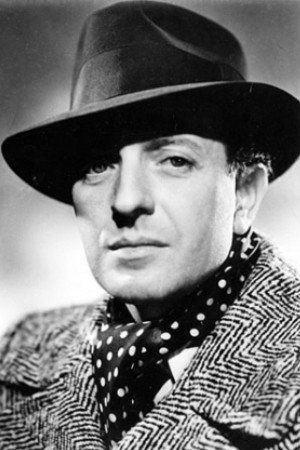
Gustav Ucicky
DirectorGerhard Menzel
WriterKarl Hans Strobl
Writer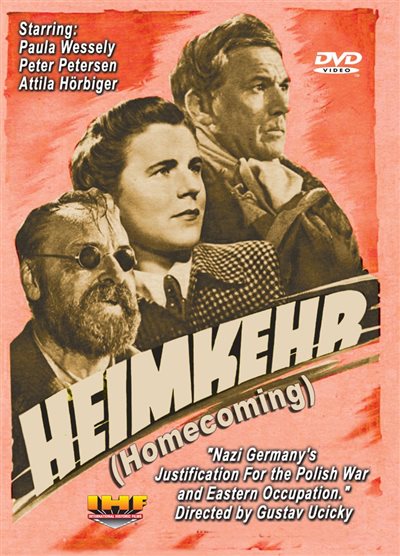
Heimkehr
(DVD)


