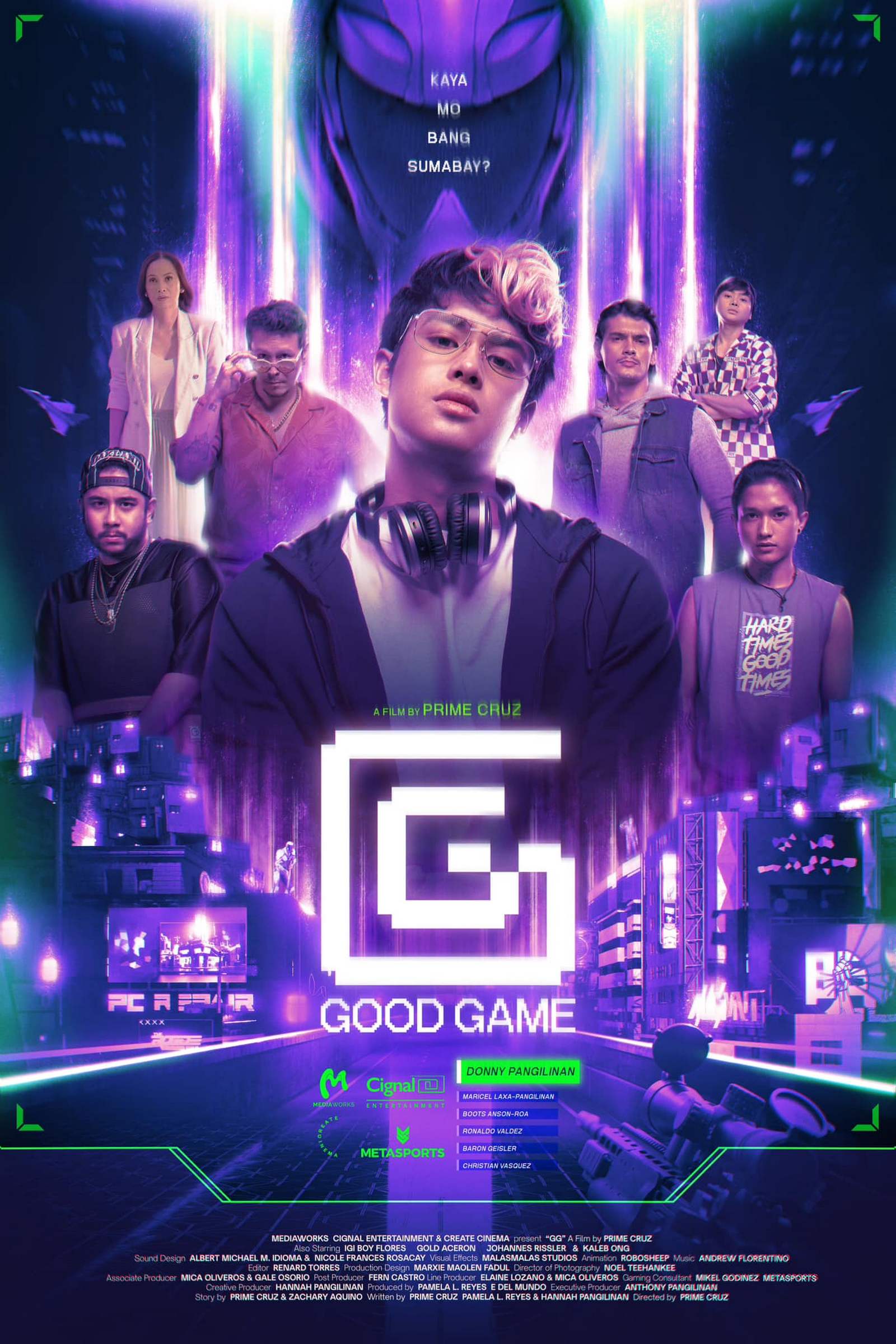
GG (Good Game) (2024)
1/24/2024


Description
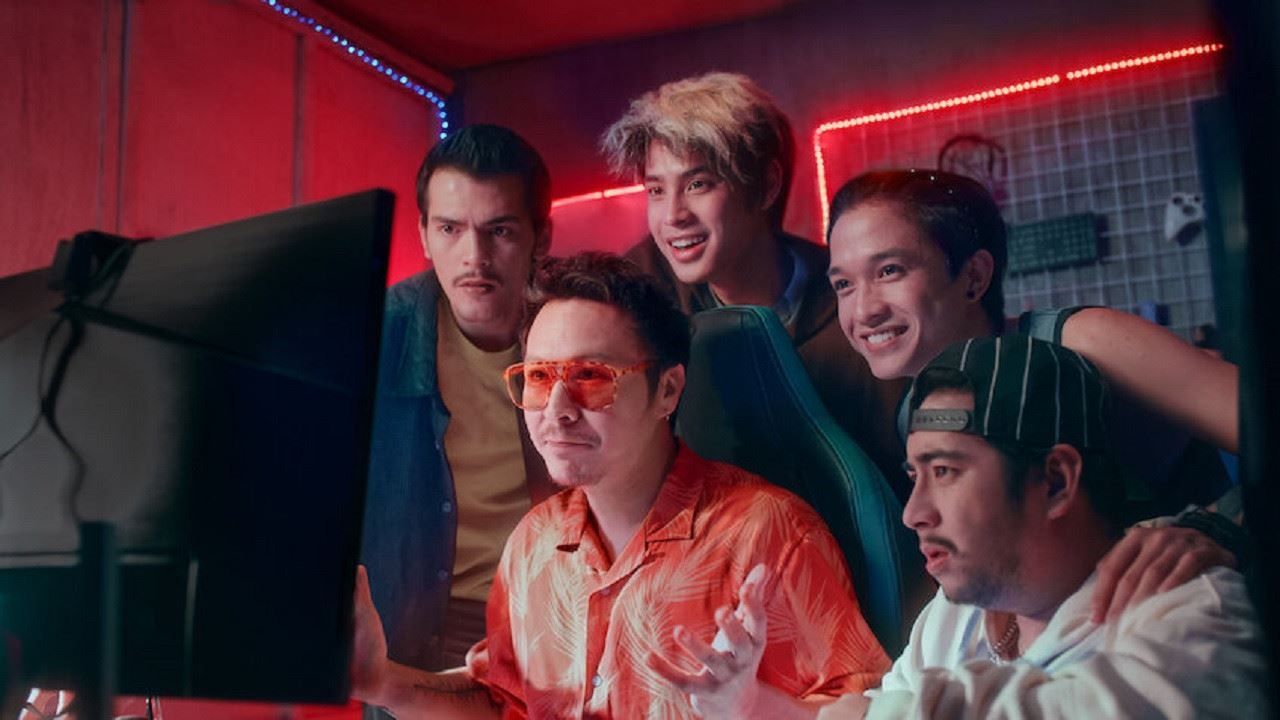
Set in a modern high school where online gaming is as popular as traditional sports, GG (Good Game) follows Alex Rivera, a talented but socially awkward teenager who finds confidence only behind a screen. Known by his gamer tag “Nova,” Alex is one of the best players in a competitive multiplayer battle game, but in real life he avoids attention and struggles to connect with others. When the school announces the creation of its first official esports team, Alex sees a chance to finally belong somewhere. However, joining the team means stepping out of his comfort zone and learning to communicate face-to-face with teammates who are very different from him. The new team includes Jade, a sharp strategist who takes leadership seriously; Marcus, a loud but kind-hearted player who loves the spotlight; and Lena, a quiet coding genius who modifies game settings and analyzes data. While they all share gaming skills, clashing personalities lead to misunderstandings and heated arguments during practice sessions. As the regional tournament approaches, the pressure increases. Alex becomes obsessed with perfecting his gameplay, spending sleepless nights training and pushing his body to its limits. His grades begin to drop, and his parents worry that he is losing balance in his life. A major conflict erupts when a critical match is lost due to poor teamwork, forcing the team to confront their communication problems. Alex must decide whether to keep hiding behind his screen or step forward as a real leader. In the final tournament, the team learns to trust one another, combining their unique strengths into a powerful strategy. Alex finally speaks up, guiding his teammates through the match and proving that being a good player also means being a good teammate. GG (Good Game) ends as an uplifting story about friendship, self-confidence, and finding balance between the digital and real worlds.





Donny Pangilinan
Seth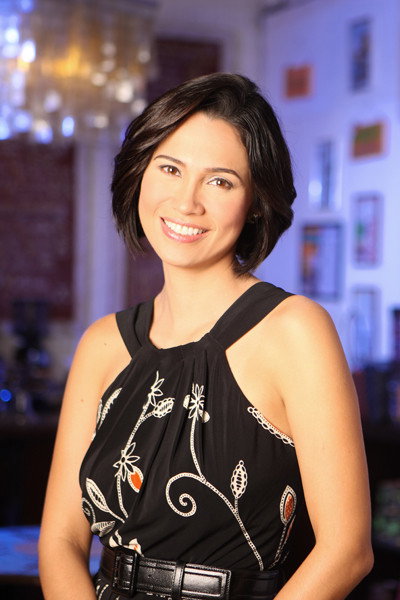
Maricel Laxa
Iya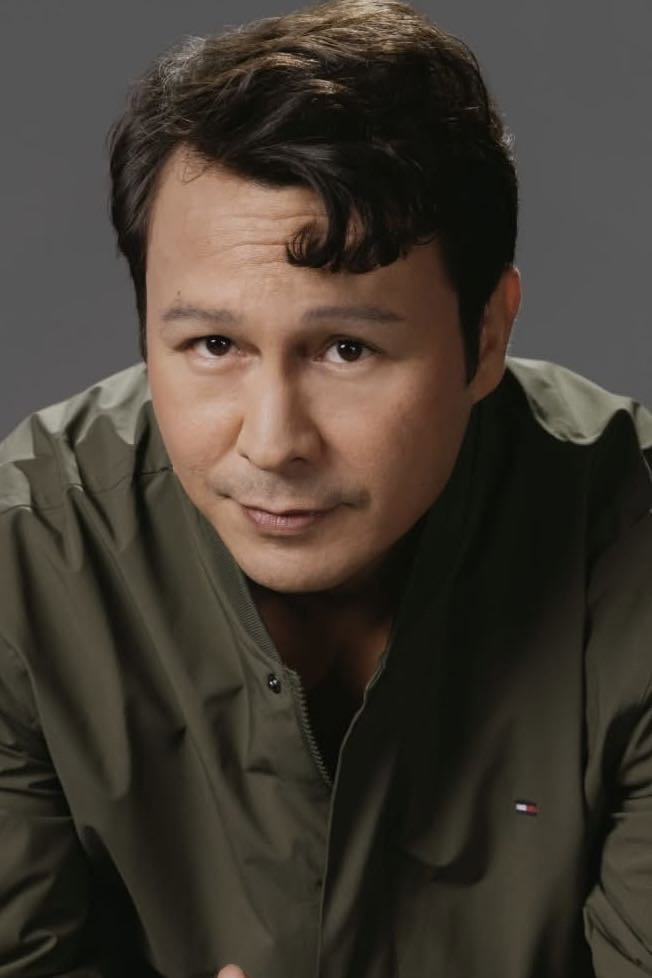
Baron Geisler
Kurt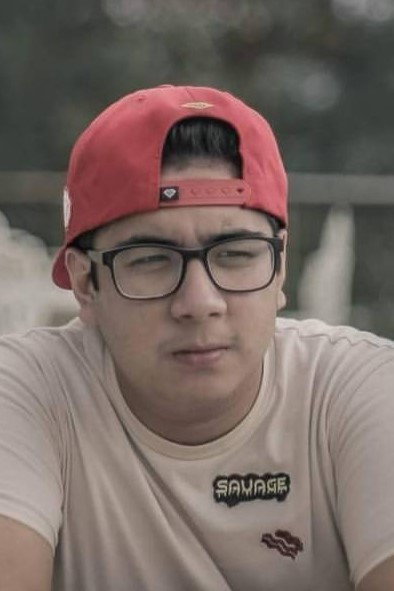
Igi Boy Flores
JosephGold Aceron
PatrickJohannes Rissler
Kevin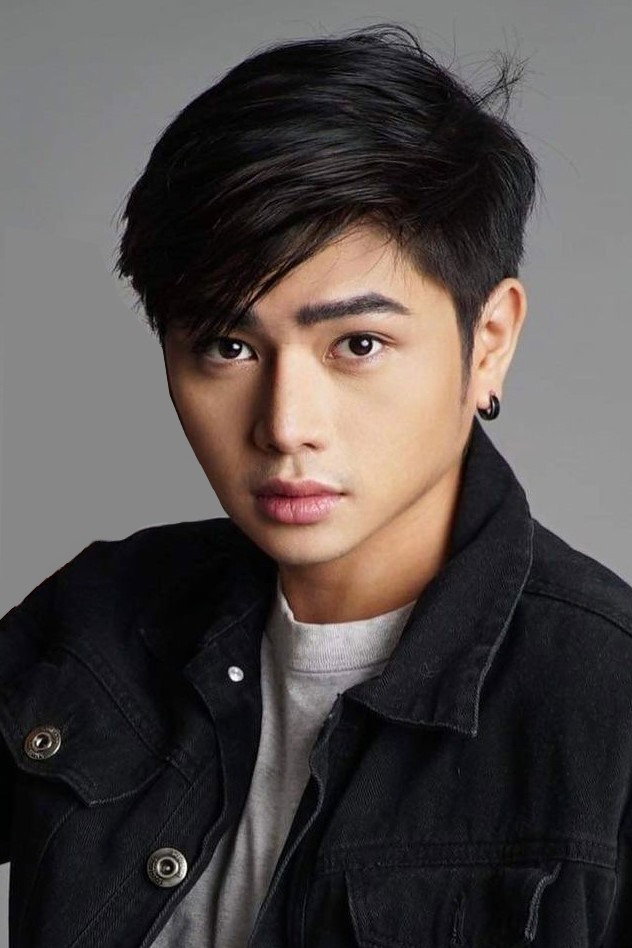
Kaleb Ong
SantinoRonaldo Valdez
Francis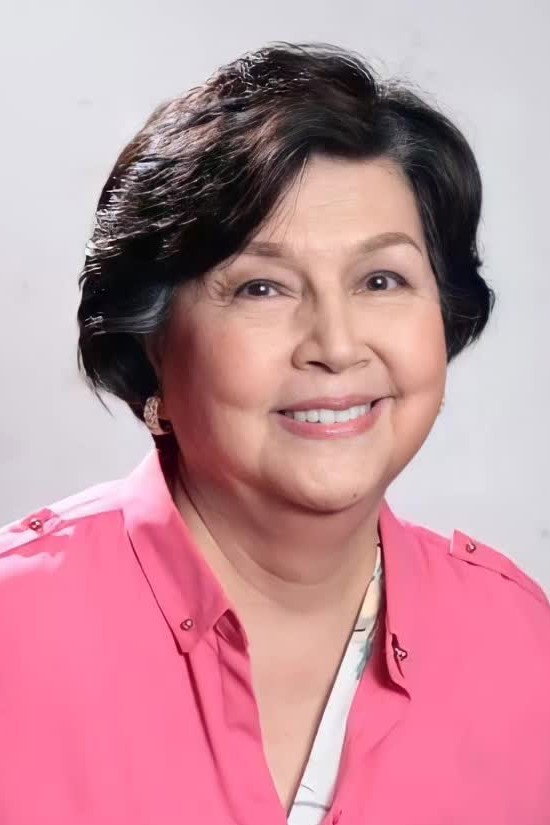
Boots Anson-Roa
Griselda
Christian Vasquez
DennisHadi Hegazy
Mao
Marnie Lapus
Tita Debbie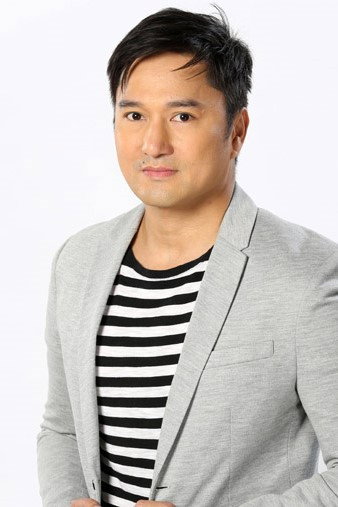
DJ Durano
Tito RexyInka Magnaye
Requiem Voice-Over Artist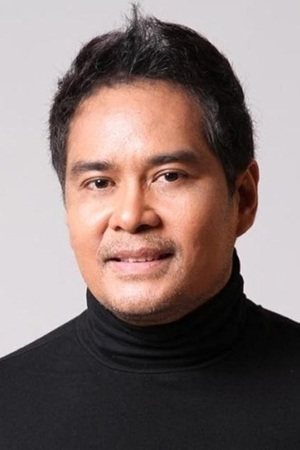
John Arcilla
PastorJake Ejercito
Coach of NorthstarzZiahbelle Mazo
Patrcia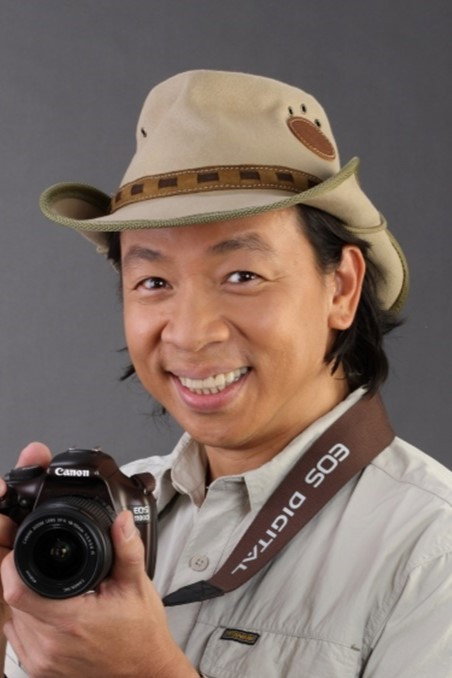
Kim Atienza
Pares Vendor
Lotlot Bustamante
Manang GingJoey Barretto Misolas
DriverAldrin Aranzanso
DriverArt Bajar
DriverAnthony Cidro
Classmate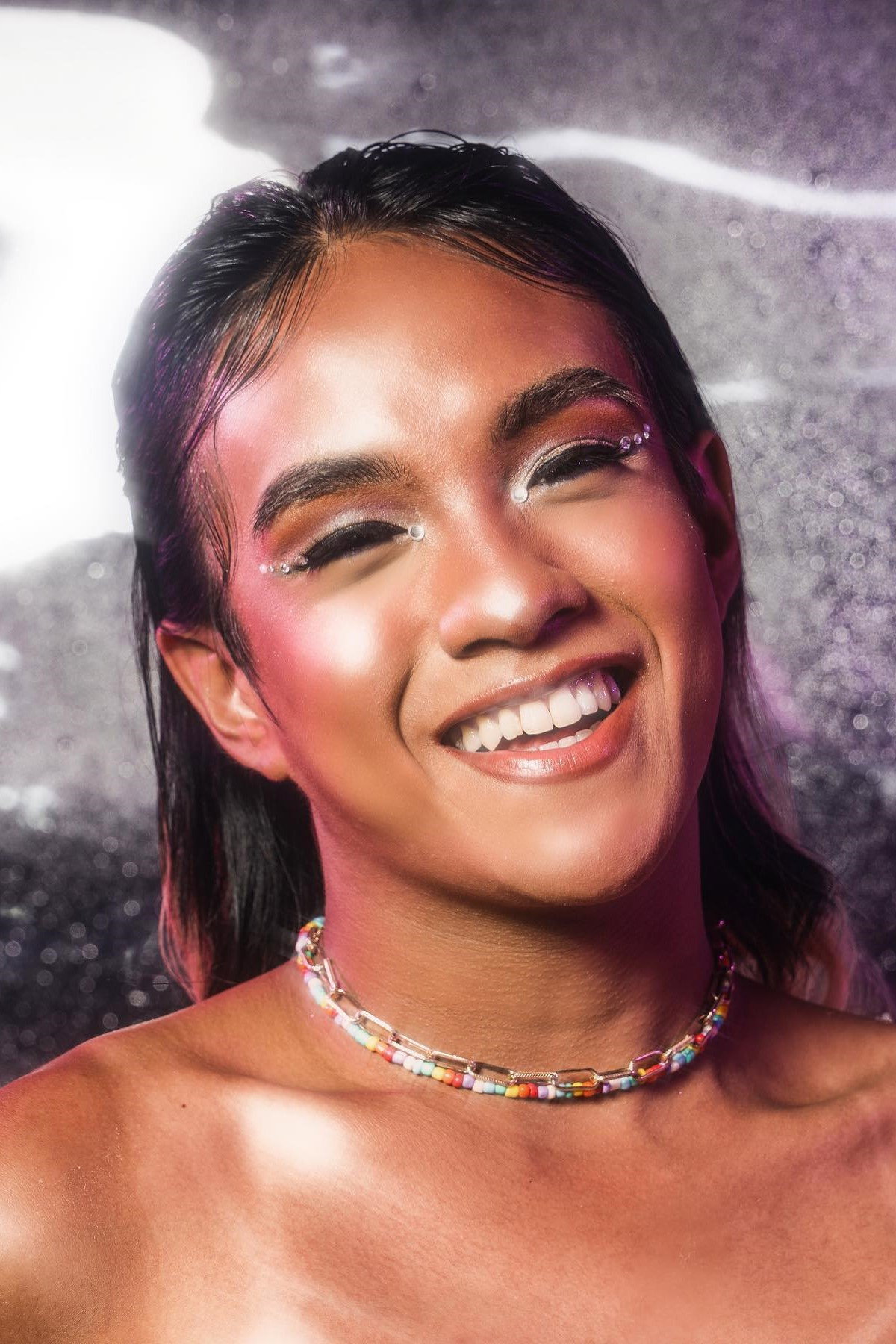
Ian Villa
ClassmateBong Gonzales
ClassmateBig Boy Cheng
Icebox FanManuel V. Pangilinan
Manny PangilinanAnthony Pangilinan
Tournament HostRaemon Oscar Bingcang
Tournament HostEvo Constantino
Gang LeaderCharlie Tabaranza
Gang MemberAngelo Gernale
Gang MemberCJ Longares
Gang MemberJames Sevilla
Gang MemberTirso Tolentino
BarberoNieves Mower
Land LadyArnie Adriano
PhotographerJames Healey
PaoloJon Go
RobbieGaye Angeles
CristinaAngelika Bernadas
JessicaGiovanni Baldisseri
Professor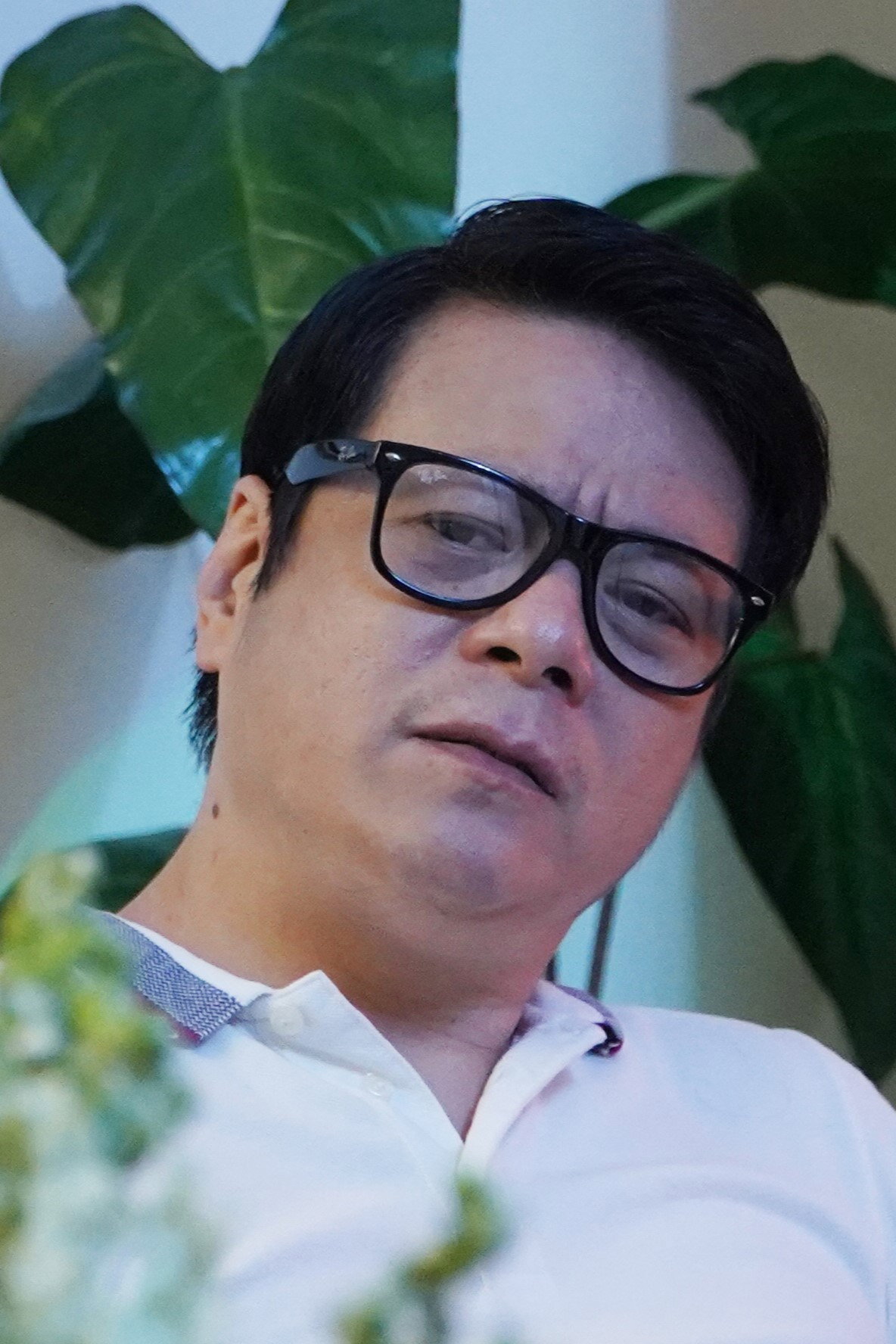
Allan Villafuerte
ProfessorAtheena
Cosplayer
Rob Sy
Joseph's DadRubi Rubi
Kevin's MomRocky Zaballa
DoctorRodel Cerdena
Fishball VendorRed Mago
RayverCherry Malvar
ThelmaEddie Barbuenia
GoonJose Rainier Angeles
GoonEdmund Richard Reyes
GoonJake San Diego
Jake San DiegoGinevibe Galamay
Young IyaZake Aiden
Young KurtStella Pangilinan
Graduate StudentNicole Borromeo
Tournament AudienceBenjamin Pangilinan
Computer Shop AudienceRainier Ladic
Computer Shop AudienceNico Gayoso
Caster - BlackenblueDathan Allan Keanu T. Rosales
Caster - DaksDarwell Llerena
Caster - AsuraiAllyza Robbie Lacsa Taylor
Caster - TayrawrAmanda Magdalena Zamora
Influencer Group - MaggiekarpAryanna Epperson
Influencer Group - AryannaWhasim Al Refai
Northstarz Player - NoctileGio Dungca
Northstarz Player - G10Charles Mathew Carillo
Northstarz Player - SneakyfrogMikhail Avelino
Northstarz Player - MikautoJayce Alexander Stewart
SEAesport Player - JaegerRosevelt Lyka Maria Eleazar Mea
SEAesport Player - LykableRafael Aliño
SEAesport Player - Raf AlinoLian Sta. Maria
SEAesport Player - ChunL1Alexander Lexus Dela Cruz
SEAesport Player - KookooJustin Bracamonte
Oasis Player - CutieFaiJake Lerry Gratil
Oasis Player - Dancing CorgiKristina Pineda
Oasis Player - TinaKrissalie Reyes
Oasis Player - KrisreyVic Villavicencio
Oasis Player - Fluffee02Rod-Michael Tumbaga
OVD Player - ShepRodJuno Magno
OVD Player - MangobellsJose Miguel Tolentino
OVD Player - MotherfalconDani Rogacion
OVD Player - DanigorrrlTrisha Leigh C. Tan
OVD Player - NutsAboutGamingEricka Dupet
Metasports Player - KangRon Fruel
Metasports Player - ScrawnLars Ortega Hernandez
Metasports Player - RwargiPatrick Parco
Metasports Player - SteezFrancis Adrdian Salunga
Metasports Player - BurgMaura Yap
Icebox Hand Double - DiwaVanille Velasquez
IceboxJohn Patrick Apolinario
CrowdLovely Mae
CrowdRonaldo Placido
CrowdSamantha Salinas
CrowdMichael Canoy
CrowdKien Morris Quintela
CrowdNina Merano
CrowdAldreve Barba
CrowdRonnie Evangelista
CrowdRandolf Villanueva
CrowdTjay Sanchez
CrowdAnnie Paula Duque
CrowdIvan Jude Itliong
CrowdCherry Ocampo
CrowdChristian Montillano
CrowdDennis Calipay
CrowdLander Barandino
CrowdRenier Mistola
CrowdDaniel Yupo
CrowdMareko Gonzales
CrowdAmanodin Sandab
CrowdMaria Paula Fulgencio
CrowdJoel Sambajon
CrowdRalph Vincent Luna
CrowdVictor Edward Dizon
CrowdSofia Nicole Fortaleza
CrowdRomark Martin
CrowdVincent Pasibe
CrowdAngeline Obligado
CrowdRjay Perez
CrowdAthena Montesa
CrowdReynan Chew
CrowdJose Amorosa
CrowdAlon Miralles
CrowdCrista Delos Reyes
CrowdLina Rowy
CrowdDaniel Sarenio
CrowdRenier Mierda
CrowdVhon Carmelo
CrowdCatherine Bruto
CrowdAmbrosio Destua Jr.
CrowdWilliam Rubalora
CrowdMarcko Gonzales
CrowdJermier Kid Yazon
CrowdAries Baliquia
CrowdJade Alfrioh Batot
CrowdErmhelle Bragais
CrowdAdrian Alcantara
CrowdCharles Mahusay
CrowdArjhel Dela Cruz
CrowdKevin Adol
CrowdAlexis Andal
CrowdMica Angela Bartulo
CrowdRonaldo Sta. Ana
CrowdDimple Obligado
CrowdAlex Matira
CrowdGemer Sola
CrowdReynafe Neria
CrowdPaul Joven Torres
CrowdJlo Paraggua
CrowdIsidro Lina Jr.
CrowdJan Arthur Miro Embog
Crowd
Joji Mundakayam
CrowdMaricris Abiera
CrowdBien Furio
CrowdBong Ove
CrowdRomel Ramone
CrowdJayson Donaire
CrowdBenjamin Espiritu
CrowdJorgie Mortiensen
CrowdMark De Guzman
CrowdJanna Mae Dela Cruz
CrowdTrixie Sta. Maria
CrowdVhon Concepcion
CrowdLil Khikz Buencebillo
CrowdVincent Raceles
CrowdCarl Andrei Buencebillo
CrowdBaby Jane Salinas
CrowdPrince Jhon Labomme
CrowdCreo Corato
CrowdMark Estanislao
CrowdApril Rose Sangco
CrowdBenedict Pujeda
CrowdLianna Marie Cruz
CrowdDanilyn Otoman
CrowdJanrex Mendova
CrowdMark Gabis
CrowdEarl Mesano
CrowdJohn Maripon
CrowdNielsen Joy Alquiza
CrowdJoeffrey Dela Cruz
CrowdCloanaldo Caluag
CrowdJoshua Daza
CrowdAnthony Arquiza
CrowdRicky Lusande
CrowdCharlz Tamondong
CrowdVincent Romanggar
CrowdElmir Dusaban
CrowdMichelle Callo
CrowdGilwy Olenia
CrowdJet Gregorio
CrowdMark Santungo
CrowdMark Elis
CrowdAngelie Navarro
CrowdRafael Mistola
CrowdEmelita Joy David
CrowdDenver Andre
CrowdLenie Labanes
CrowdJore Arenas
CrowdRonalyn Avila
CrowdMatthew Sulit
CrowdRussel Aperin
CrowdArvin Nazareno
CrowdPretty Estavillo
CrowdHayde Cabindella
CrowdReynaldo Fernando
CrowdAngelo Culibra
CrowdRaygen Gonzales
CrowdFilly Gonzales
CrowdJhon David Sales
CrowdDavid Minemoto
CrowdLester Borromeo
CrowdMildred Marasigan
CrowdGhermel Lequigan
CrowdBengie Villesco
CrowdGuen Mariel Villesco
CrowdLeonilo Tepogo
CrowdRosemarie Corazon
CrowdMargarita Sarenio
CrowdSherilyn Zaraga
CrowdPatricia De Jesus
CrowdCerilo Alcantara
CrowdJefferson Malto
CrowdWilliam Luna
CrowdPrecious Tolentino
CrowdMichaela Sanchez
CrowdShan Ivan Kingheart Botor
CrowdEd Dicasag
CrowdDaphnie Dayyo
CrowdJude Rano
CrowdRea Capacio
CrowdJannica Javier
CrowdRonaryl Marlin
CrowdBembem Pontillas
CrowdCarl James Sanut
CrowdCarl Sanut
CrowdJhonvic Timbang
CrowdAnthon Joshua Bantilan
CrowdMarjorea Atienza
CrowdJovan Morria
CrowdJastine Cabello
CrowdJohn Morcia
CrowdJulean Buchaco
CrowdTheresa Timbang
CrowdJocelyn Alcantara
CrowdLorenz Mallen
CrowdCris Antonaras
CrowdDarby Arcon
CrowdJohn Merida Sanchez
CrowdRodel Binoy
CrowdRhiny Canapi
CrowdJolo Accad
CrowdRenz San Pedro
CrowdAaron Cabacungan
CrowdRhomar Gutay
CrowdJustin Rainne Rivera
CrowdIvan Lomibao
CrowdGabriel Eleazar
Crowd
Prime Cruz
DirectorZachary Aquino
WriterPrime Cruz
WriterHannah Pangilinan
Writer
The Social Network
Ready Player One

Free Guy
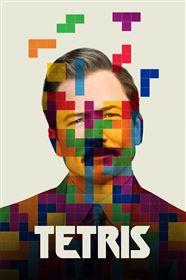
Tetris
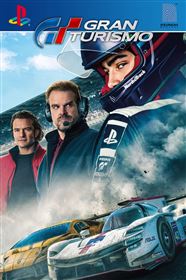
Gran Turismo

Pixels

Wreck-It Ralph
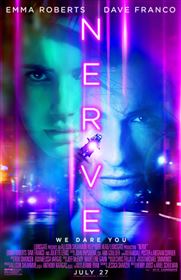
Nerve
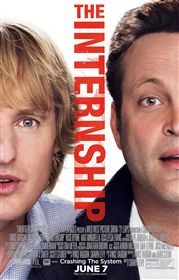
The Internship

Jobs

Steve Jobs
BlackBerry
Air

Dumb Money

The Founder
TRON: Legacy

Ralph Breaks the Internet

Hardcore Henry

Gamer

Source Code


