23 000 Lives (2026)
1h 52m · 7/17/2026


Description
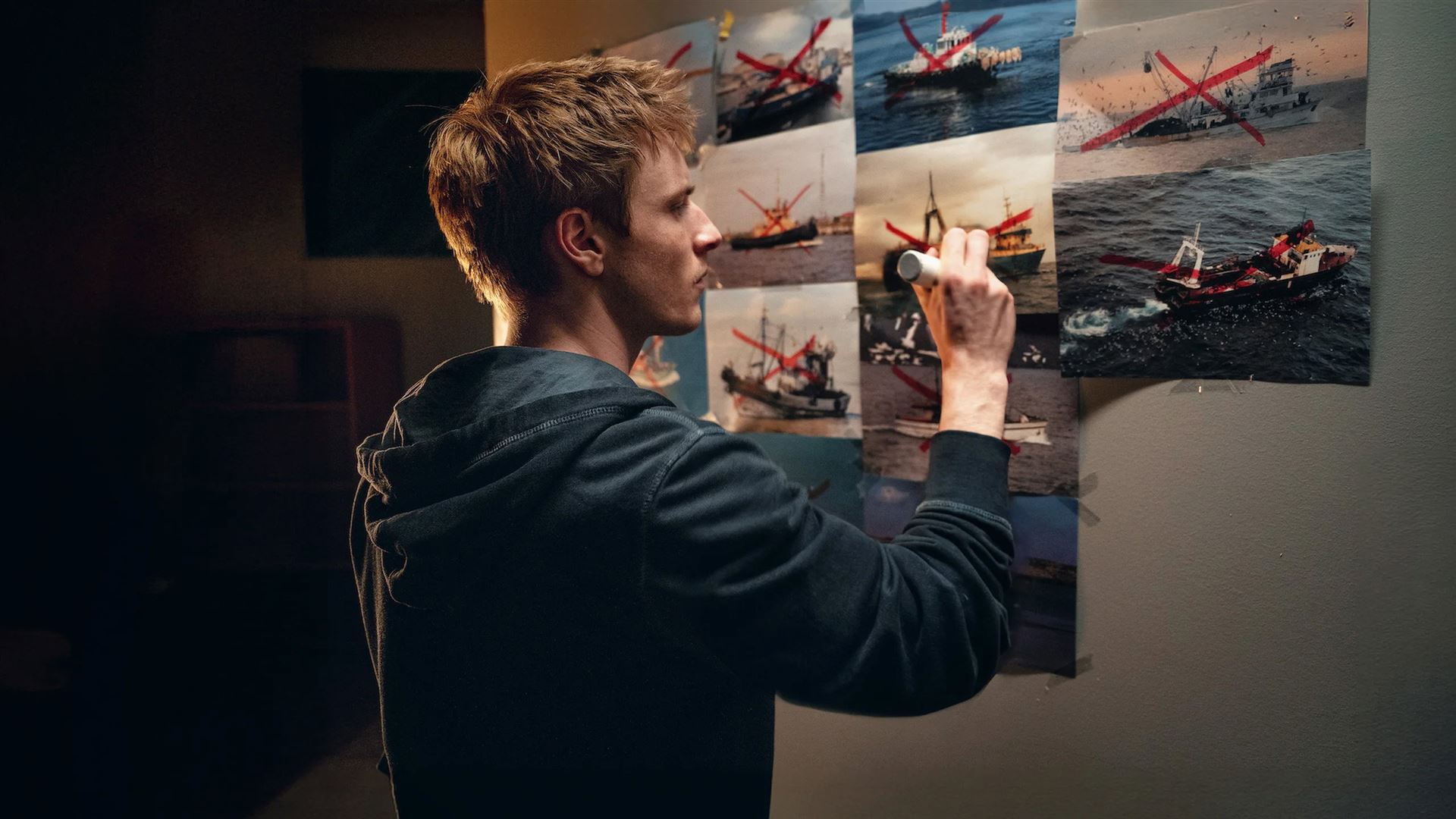
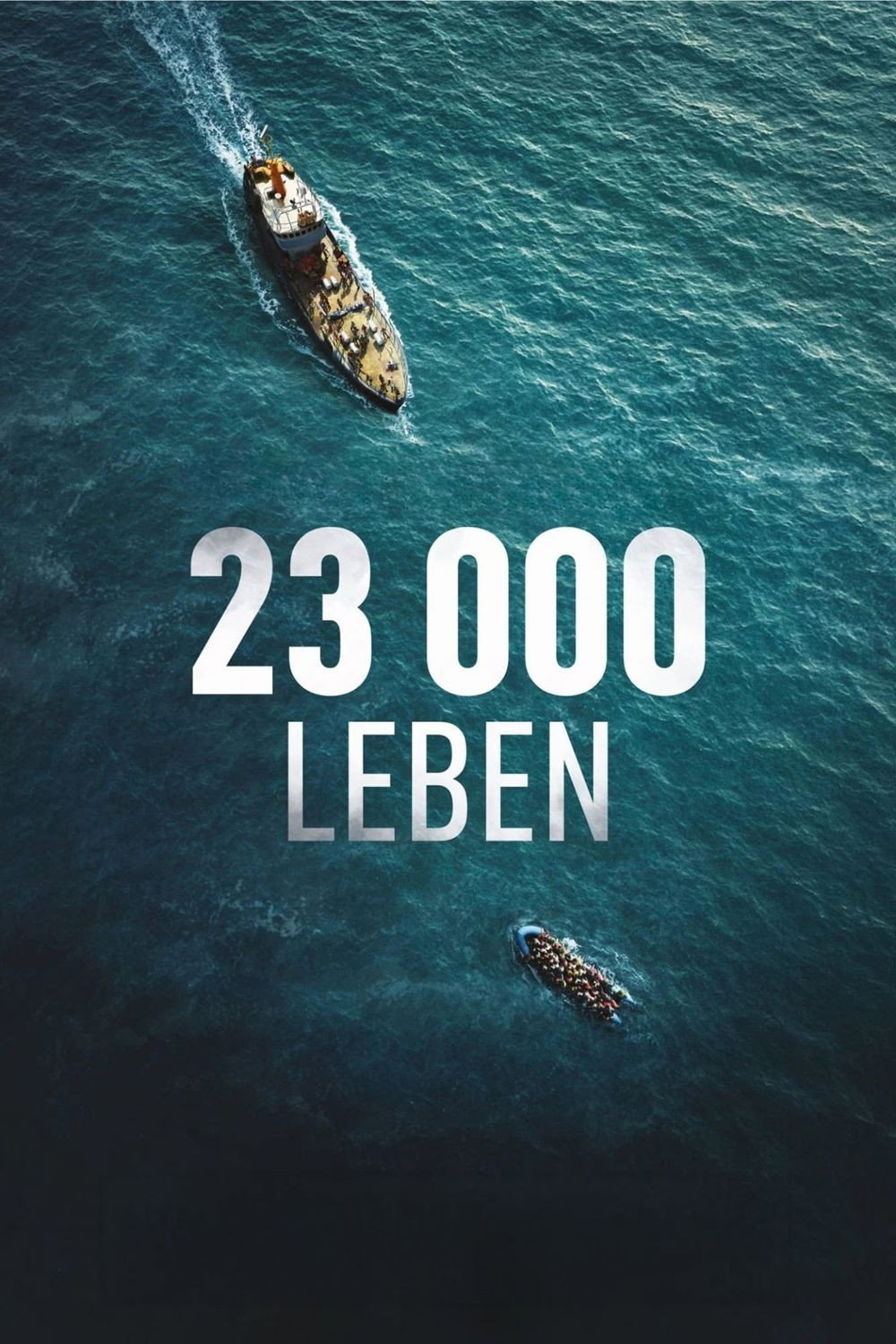
Berlin, 2015, the "summer of migration": a group of young people follow the news from the Mediterranean with growing dismay. Thousands are attempting to reach Europe from Libya on overcrowded rubber boats, while state rescue missions have been discontinued and little help is available on the ground. Together with his girlfriend Kitty, his pragmatic roommate Nina, and photographer Mauro, Lukas hatches an unlikely plan: they found the organization "Jugend Rettet," launch a crowdfunding campaign, and spend months searching for a suitable ship, enduring countless setbacks along the way. Once the ship and funding are finally secured, the project gains momentum. At a shipyard in Emden, Lukas, Nina, Mauro, and dozens of volunteers restore the old trawler themselves; Volkswagen mechanics who read about electrical problems on Facebook stop by spontaneously to help. It is in Emden that the ship receives its name: Iuventa, Latin for youth. Within a year, the crew rescues more than 23,000 people from overcrowded and unseaworthy rubber and wooden boats, ensuring their safe arrival in Europe. What begins as a mission full of hope and determination comes under increasing political pressure: European authorities grow increasingly suspicious of civilian sea rescue, and a narrative emerges claiming that NGOs like Jugend Rettet are cooperating with smuggling networks. The rescuers are no longer seen as witnesses to a humanitarian catastrophe, but as complicit in it. In August 2017, the Iuventa is lured into the port of Lampedusa by Italian authorities and seized there. The crew is being investigated for facilitating unauthorized entry. Part of the crew flees on a sailboat. Before the court in Trapani, Sicily, the defendants are confronted with partly fabricated evidence, including photographs allegedly showing the Iuventa towing empty boats toward the Libyan coast. Rose and Lamin, both rescued by the Iuventa, appear as defense witnesses. They testify in court about what the crew did for them and others during the crossing, and that it saved their lives. In the end, all defendants are acquitted. The judge finds that the evidence presented clearly demonstrates that the alleged crimes did not occur, and that a full trial would be superfluous. Fleeing torture, arbitrary detention, sexual violence, and abuse in Libyan detention centers, the court rules, was unavoidable.






Louis Hofmann
Lukas
Stefan Mehren
Christian
Richard Siauciulis
CrewmateMarkus Goller
DirectorMichele Cinque
WriterOliver Ziegenbalg
Writer
Stories We Tell

Searching For Sugar Man

The Act of Killing

The Imposter

The Central Park Five

Finding Vivian Maier

20 Feet from Stardom

The Look of Silence

Citizenfour

Raw: The Amy Winehouse Story

What Happened, Miss Simone?

Tickled

O.J.: Made in America

Cameraperson

I Am Not Your Negro

Dawson City: Frozen Time
Strong Island

Tell Them: We Are Rising

The Death and Life of Marsha P. Johnson

Three Identical Strangers


