The Iceman and the Psychiatrist (1992)
Documentary · 6/1/2004


Description
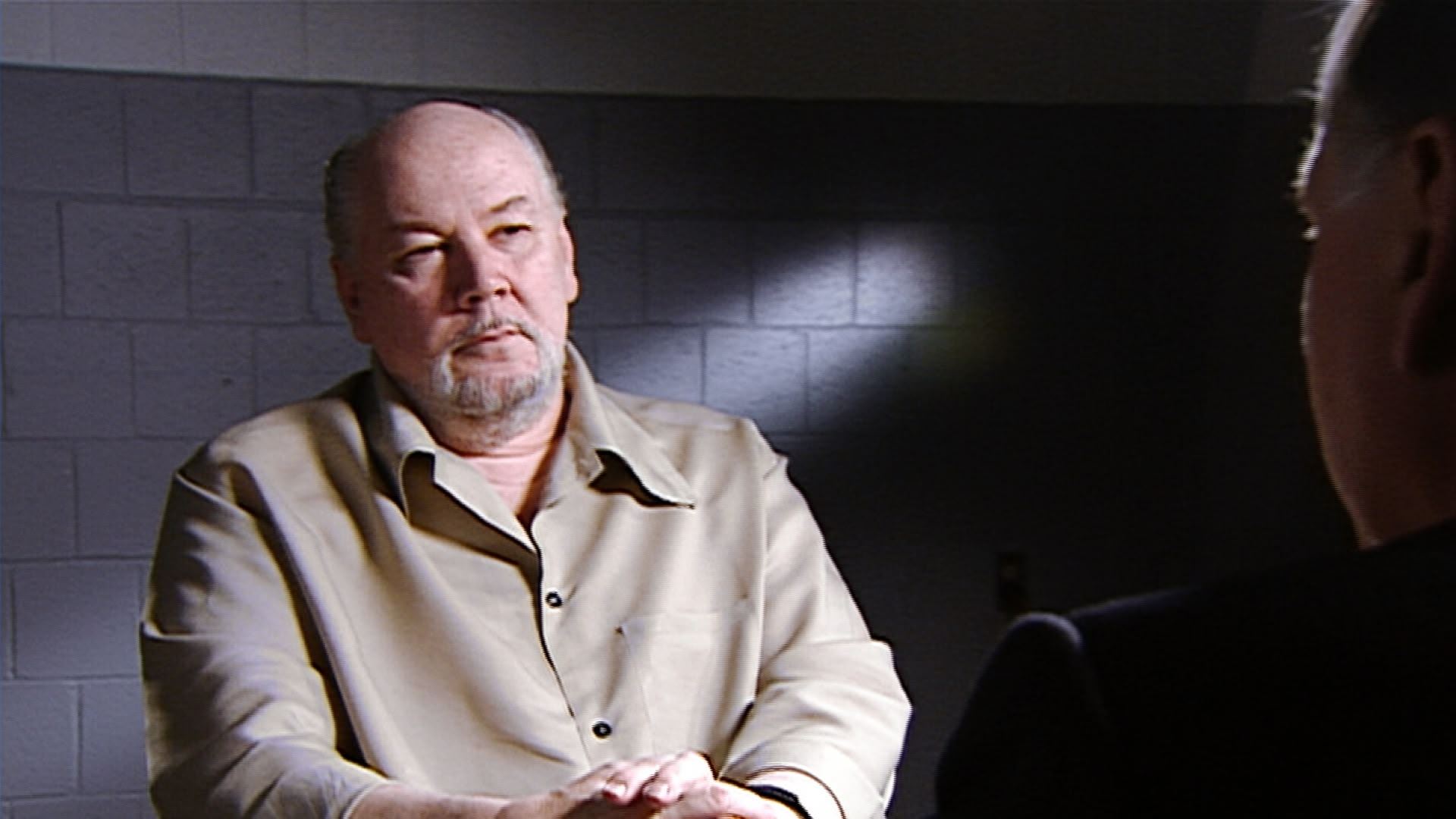
The Iceman and the Psychiatrist (2003) is a chilling documentary centered on serial killer Richard Kuklinski and his long-running interviews with forensic psychiatrist Park Dietz. The film documents a series of in-depth prison conversations between Kuklinski — known as “The Iceman” — and Dr. Dietz, who attempts to understand the psychological makeup of a man responsible for numerous contract killings. Calm, composed, and disturbingly matter-of-fact, Kuklinski reflects on his crimes, his childhood, and his ability to separate his violent profession from his role as a husband and father. Through their discussions, the documentary explores themes of psychopathy, emotional detachment, and the origins of violent behavior. Kuklinski describes a brutally abusive upbringing, suggesting that early trauma shaped his emotional numbness. Dr. Dietz challenges him at times, probing inconsistencies and analyzing the traits that allowed Kuklinski to live a double life for years without raising suspicion. Rather than dramatizing events, the film relies heavily on raw interviews, creating an unsettling atmosphere. The tension comes not from reenactments, but from watching a psychiatrist carefully dissect the mind of a man who speaks about murder with chilling detachment. Overall, The Iceman and the Psychiatrist is a psychological study of evil — not focused on the crimes themselves, but on understanding how someone can rationalize and compartmentalize extreme violence while maintaining the appearance of normalcy.





Richard Kuklinski
Self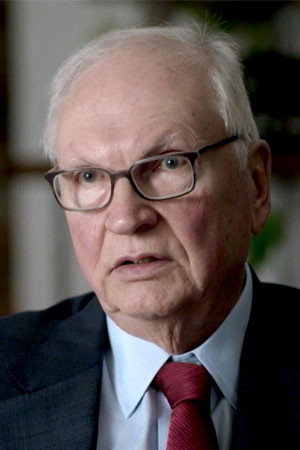
Park Dietz
SelfArthur Ginsberg
Director
The Silence of the Lambs
Henry: Portrait of a Serial Killer
Manhunter

The Killer Inside Me
Copycat
Frailty
Red Dragon
Monster

Citizen X
Kiss the Girls
Summer of Sam

Changeling
Zodiac
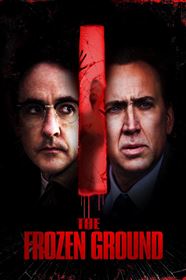
The Frozen Ground
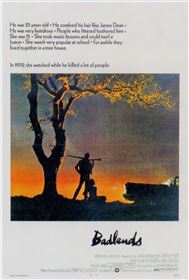
Badlands
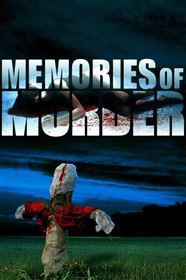
Memories of Murder
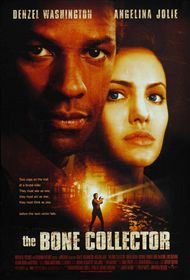
The Bone Collector
Resurrection
Mr. Brooks
Along Came a Spider
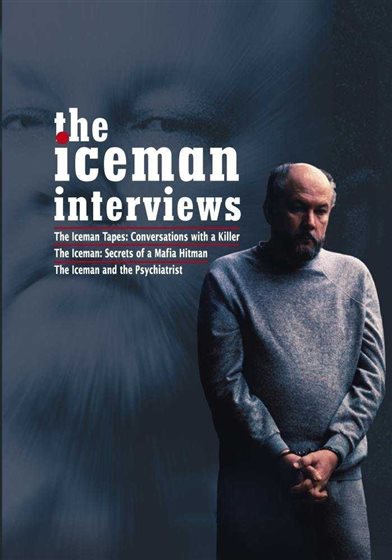
The Iceman Interviews
(DVD)
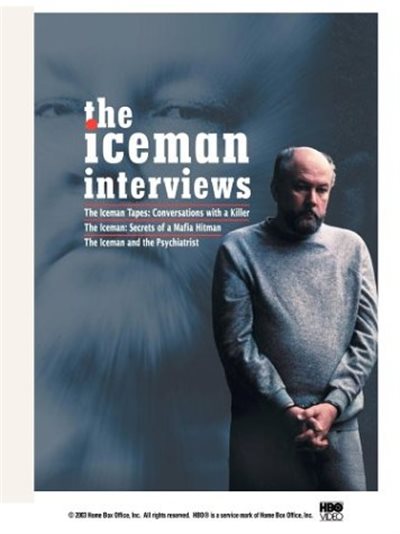
The Iceman Interviews
(DVD)
6/1/2004


