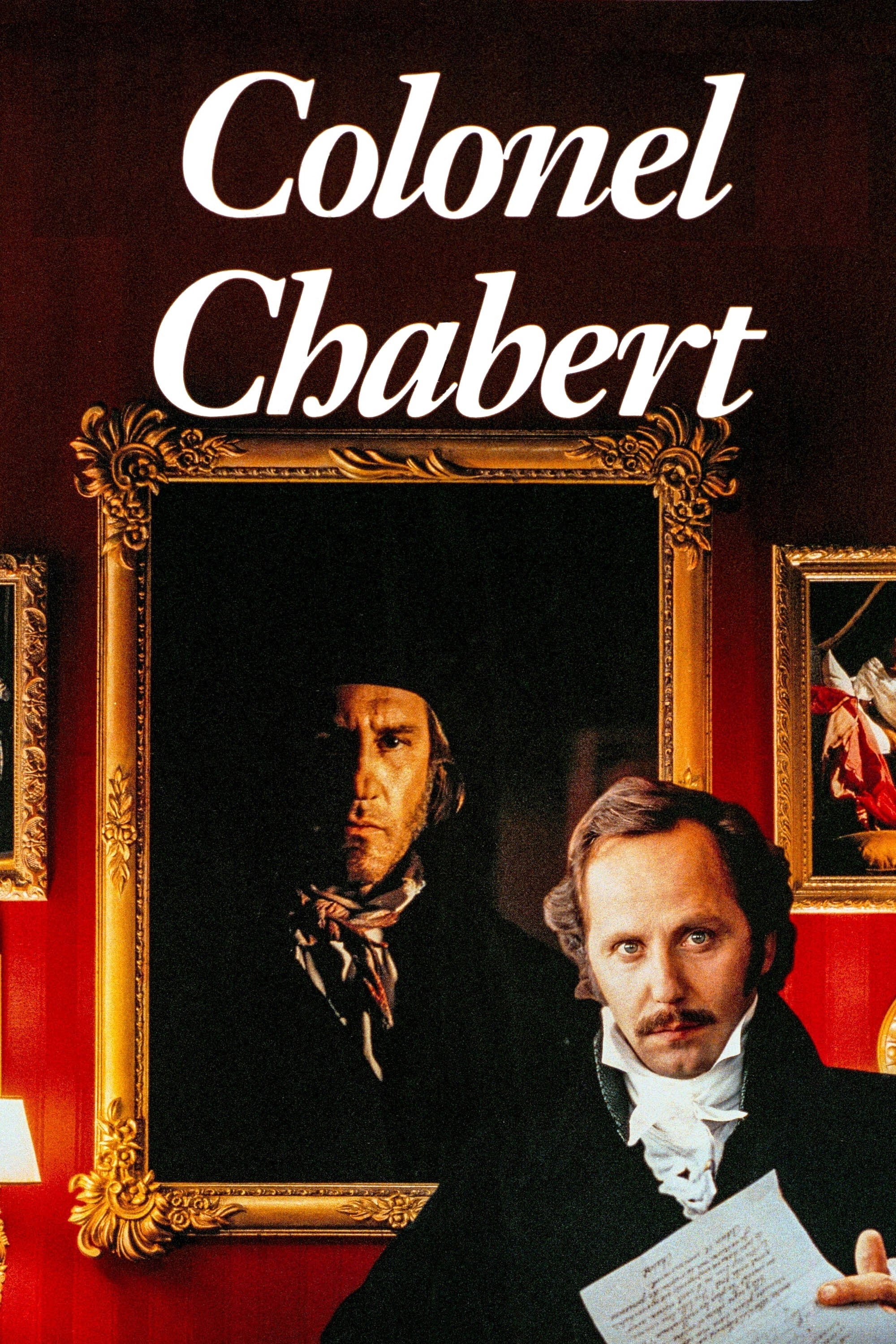
Colonel Chabert (1994)
War/Romance/Drama · 1h 50m · 9/9/1994


Description
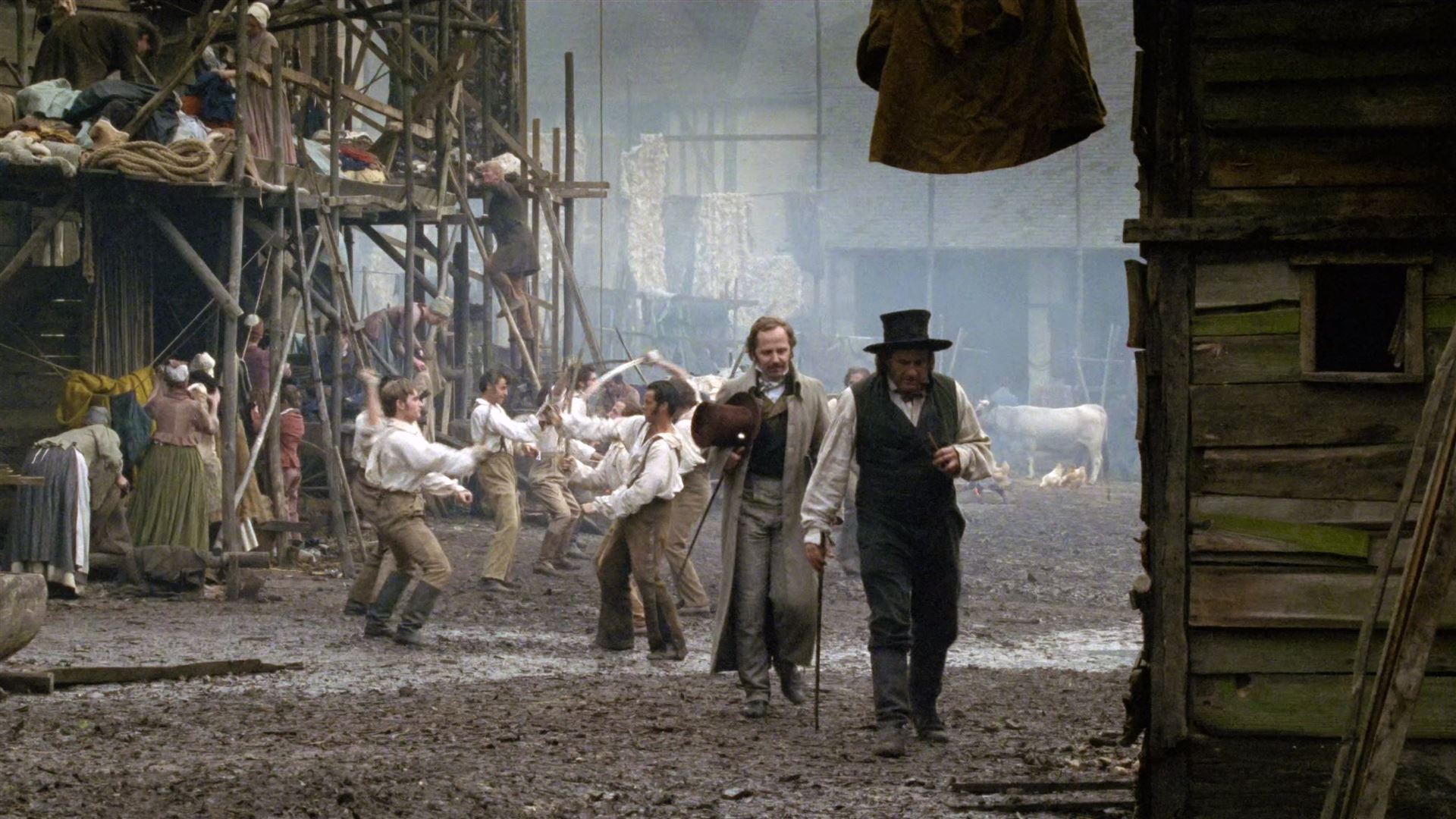
Paris, February 1817, three years after the fall of the Empire, the confessed Derville receives the visit of an elderly man miserably dressed. He assures himself to be Colonel Chabert, left for dead at the Battle of Eylau in 1807. He had then contributed to the victory by leading a cavalry charge that became famous. The old man recounts how, waking up in a ditch between corpses, he survived his injuries. He returns ten years later and wishes to claim his title, assert his rights, and live again with his wife. She, during his absence, married the Count Ferraud. The count seeks to acquire the title of a French peer, which would allow him to launch his political career in the Chamber of Peers. But his marriage to an imperial widow creates apparently insurmountable difficulties; he would be better off remarrying with the daughter of an exiled nobility. Countess Ferraud pushes Chabert away, refusing to recognize her first husband. Derville, although also the confessed of Countess Ferraud, then agrees to help the colonel by proposing a transaction to his ex-wife. She refuses and instead tries to manipulate her ex-husband. Chabert is not fooled, and disgusted by the corruption of men, he falls into madness and misanthropy, ending the divorce/resurrection procedure that he had so long pursued. Rejected by his wife, convicted of vagabondage, Colonel Chabert ends his miserable life in an asylum. His lawyer vindicates him by explaining to Count Ferraud that he finally has a reason to break his marriage with his wife.



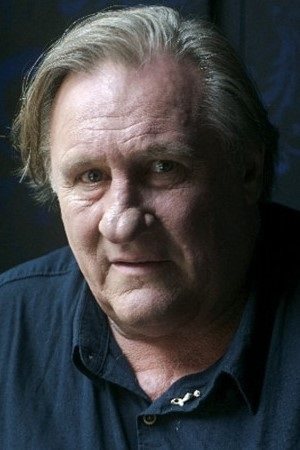
Gérard Depardieu
Chabert
Fanny Ardant
Countess Ferraud
Fabrice Luchini
Derville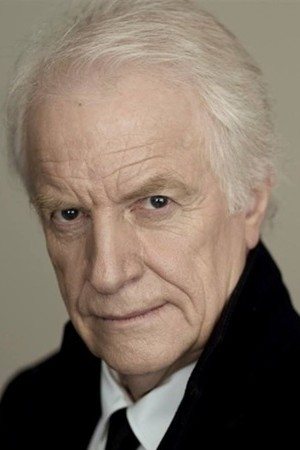
André Dussollier
Count Ferraud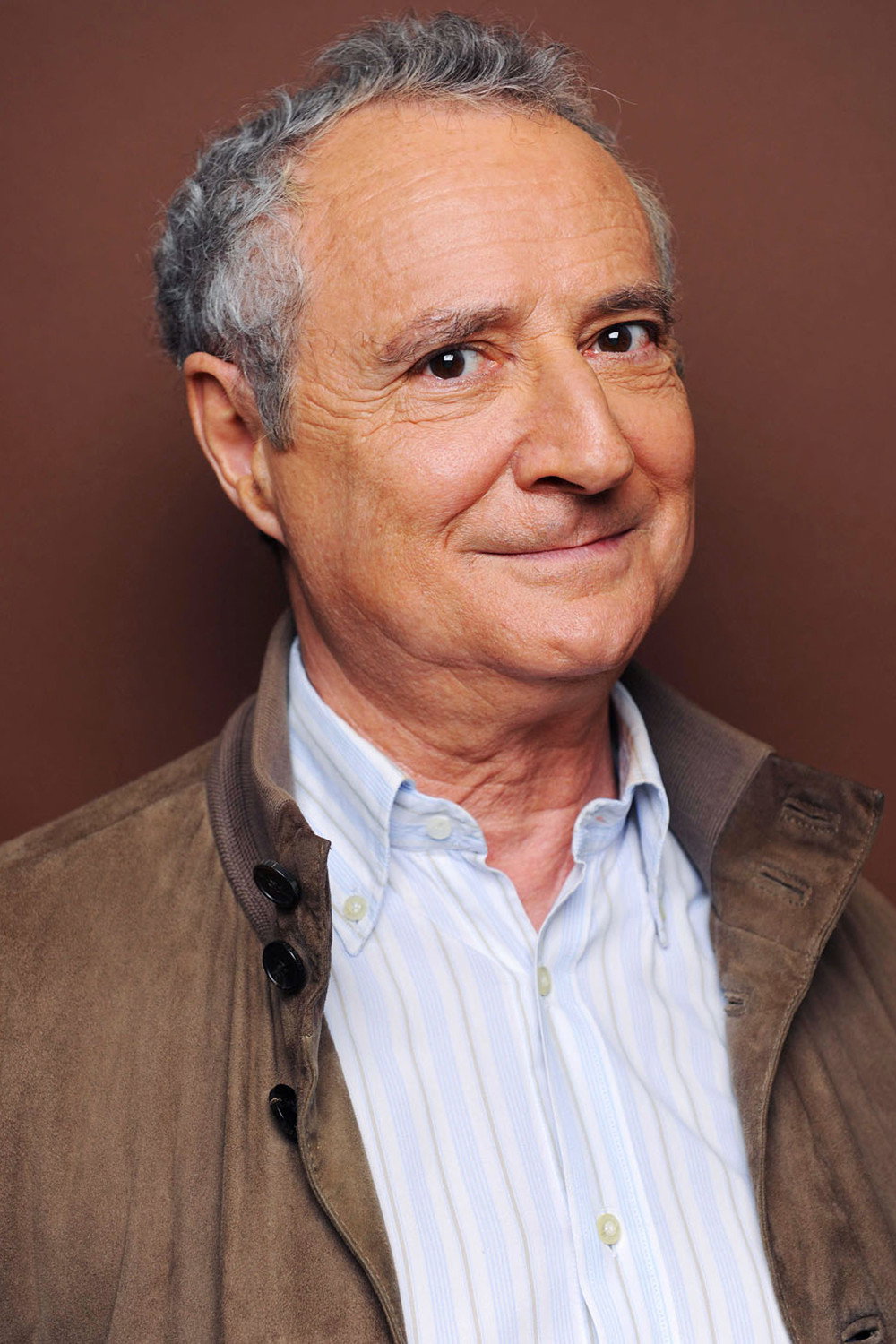
Daniel Prévost
Boucard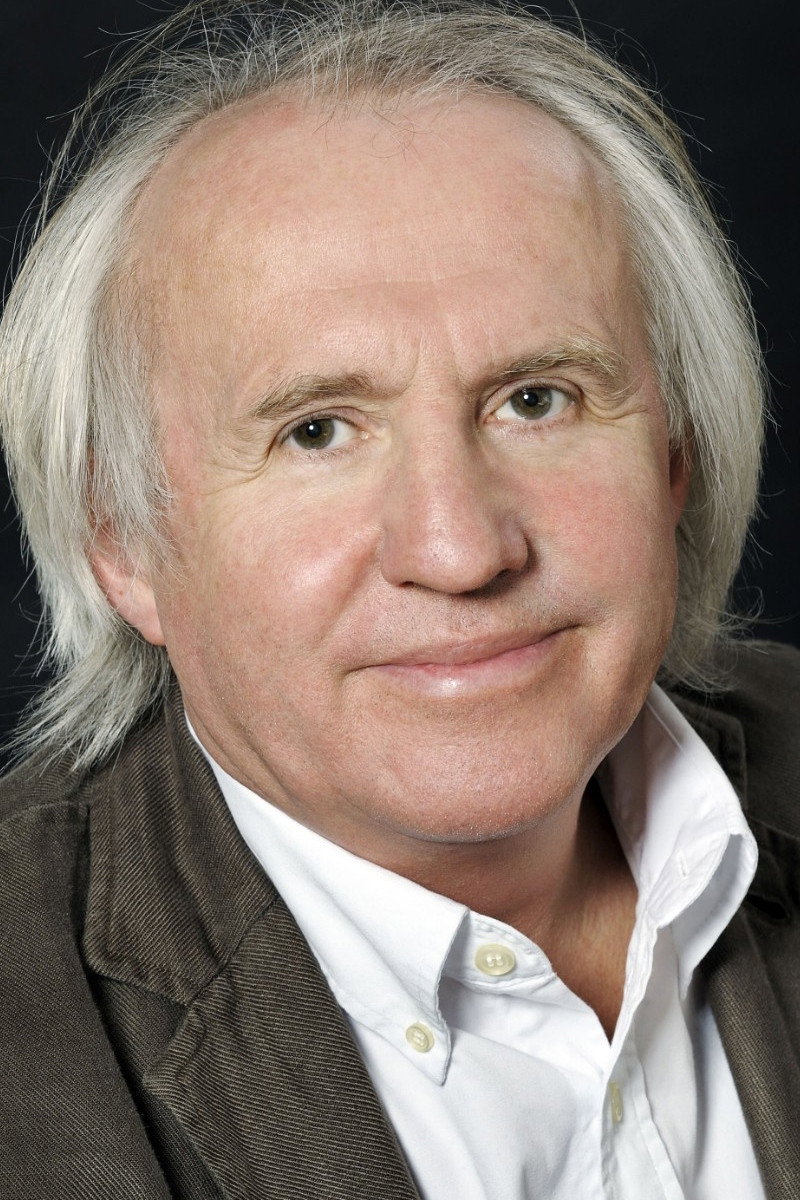
Olivier Saladin
Hure
Maxime Leroux
Godeschal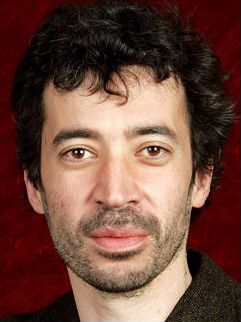
Eric Elmosnino
Desroches
Guillaume Romain
Simonin
Patrick Bordier
Boutin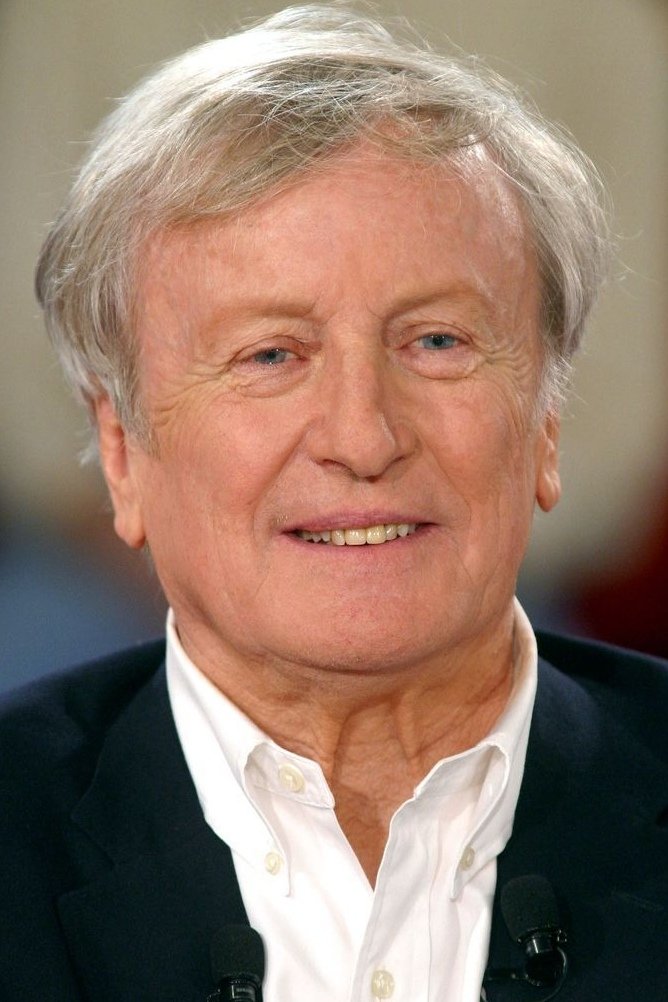
Claude Rich
Chamblin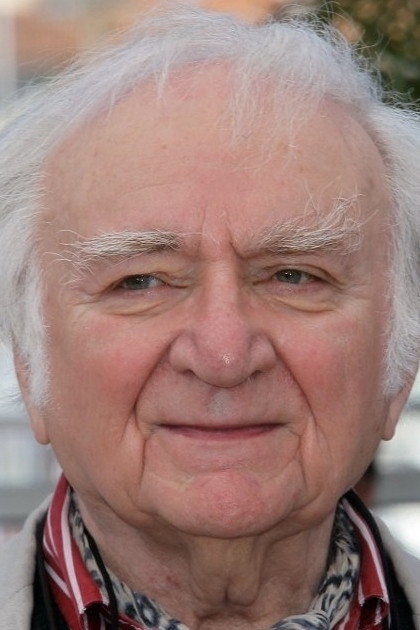
Jean Cosmos
Costaz
Jacky Nercessian
Delbecq
Albert Delpy
NotaryMarc Maidenberg
Servant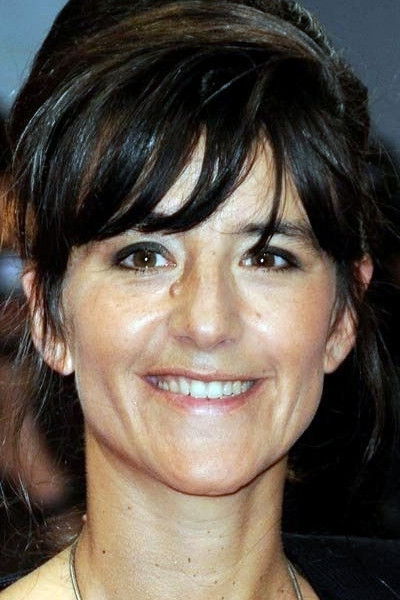
Romane Bohringer
SophieValérie Bettencourt
JulieFlorence Guerfy
Client
Julie Depardieu
MathildeIsabelle Wolfe
Nun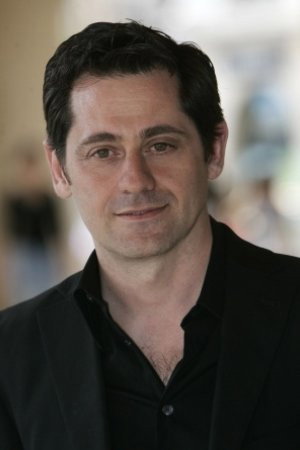
Olivier Py
Fencer (uncredited)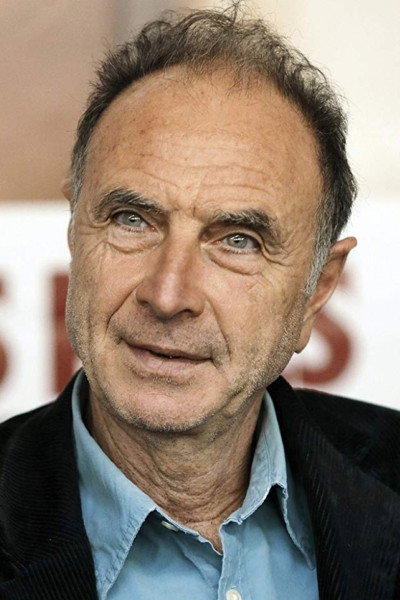
Yves Angelo
DirectorYves Angelo
Writer
Cyrano de Bergerac
Valmont
Dangerous Liaisons
The Return of Martin Guerre
Ridicule
The Duchess
Farewell, My Queen
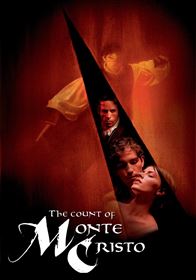
The Count of Monte Cristo
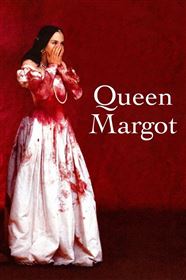
Queen Margot
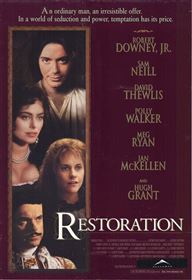
Restoration
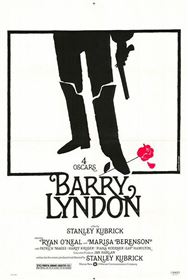
Barry Lyndon

The Age of Innocence
Sense and Sensibility

Portrait of a Lady on Fire

A Royal Affair

Madame de...
The Piano
The Madness of King George

Vanity Fair
The Libertine


