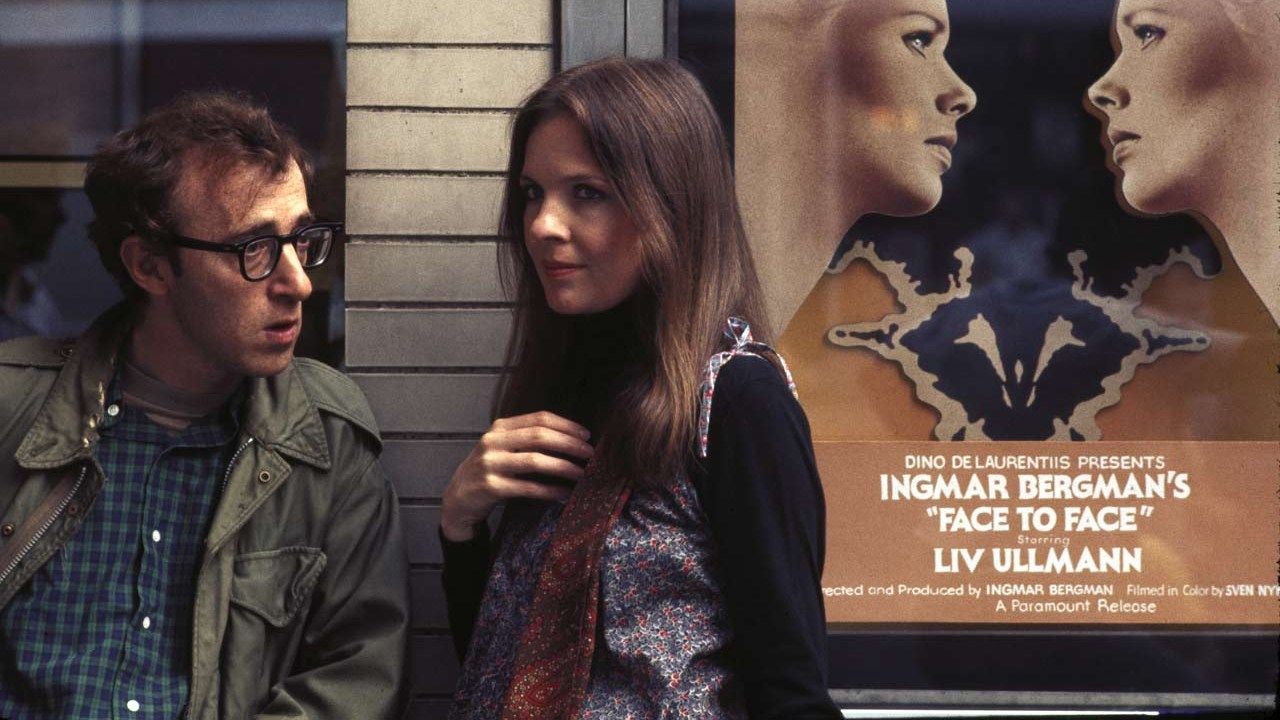
Sight and Sound's Greatest Films of All Time – 2022
Description
<p>Once every decade, Sight and Sound conducts a poll to determine the 'Greatest Films of All Time'. The poll, which collects 'top tens' from thousands of critics, has been running since 1952, and was described by Roger Ebert as "by far the most respected of the countless polls of great movies – the only one most serious movie people take seriously."</p><p>The results of every poll, since the inaugural edition in 1952, can be found on Sight and Sound’s Letterboxd account. Follow us for our latest, and classic, reviews, and for more lists, including individual top tens. </p><p><b> The original introduction from our Winter 2022/23 issue</b></p><p>In 1952, the <i>Sight and Sound</i> editorial team had the novel idea of asking some critics to name the greatest films of all time. Little did they know that their concept would become the bedrock of future canon-building. Invitations were sent by post to 85 critics from ten countries; 63 responded, and a winner emerged: Vittorio De Sica’s <i>Bicycle Thieves</i>, then only four years old. The tradition became decennial, increasing in size and prestige as the decades passed.</p><p><i>Citizen Kane</i> (1941) seized the throne in 1962 and held on through the next four polls, until in 2012 plucky upstart <i>Vertigo</i> (1958) committed a famous act of regicide to become the poll’s third winner. The number of voters invited had grown slowly but surely from 1952 to 2002, but 2012 saw a significant leap, from 145 to 846, beginning a new era of polling with a broader, more international scope to its contributors. Film critics were joined by programmers, curators, archivists, film historians and other academics for the first time. With a new weight of numbers behind it, and a new winner, the poll became big news. The light-hearted game of 1952 had become important.</p><p>And now we arrive in 2022, for the eighth iteration of what is now the most respected poll of its kind. The number of voters has risen yet again, this time almost doubling to a grand total of 1,639, reaching more critics from around the world, more critics of varying ages, genders, sexual orientations and ethnic backgrounds, more critics with disabilities. The typewritten invitations of 1952 have become mass mail-outs feeding into a bespoke database. Perhaps an even more significant change since 2012 has been the rise of social media. Lurking behind the question “What do I think are the greatest films of all time?” has always been another: “What will other people think of my choices?” Now that question is louder and more urgent than ever.</p><p>When you turn through the next 60 pages, you’ll see for yourself what impacts these changes have had, in what is perhaps the biggest shake-up in the poll’s history. But allow us to give you a spoiler-free overview of some of this edition’s biggest trends.<br />Twenty-first-century cinema has arrived with a bang, with nine titles from 2000 onwards in our top 100 – up from two in 2012 (<i>Mulholland Dr.</i> and <i>In the Mood for Love</i>). Time has, of course, allowed some of these newer titles to consolidate their status as modern classics, but it is also the case that four titles here were released in the past ten years, and have immediately imprinted themselves on to the collective consciousness of our critics. With seven films from the silent era also present, the list has never been more representative of the span of cinema history, with films from 1924 to 2019 – our apologies to the first 30-odd years.</p><p>Animated film appears for the first time in the top 100, with two Studio Ghibli titles nestled near to one another in the rankings. Ghibli was already popular with voters, with two titles sat between #150 and #250 in 2012; this further push towards canonisation suggests a new open-mindedness towards a medium historically dismissed as children’s entertainment. The fact that Ghibli’s films are now available on Netflix may have helped them reach a wider audience, too.</p><p>But most significant of all has been the increased diversity of the filmmakers represented in the list. Films by women did not rank in the poll until 2012, when Chantal Akerman and Claire Denis appeared in the top 100; ten years on, the top 100 has 11 films directed by women, including two in the top ten. Two of those films (one from the 1970s, one the 1990s), having received no votes in 2012, have now received dozens. Another welcome change is the increased representation of Black filmmakers. Djibril Diop Mambéty, present in the 2012 top 100 with <i>Touki Bouki</i>, has been joined by one other African filmmaker and five African Americans. We hope that, with these changes, the list our contributors have formed gives a better picture of the whole world of film. Cinephiles may regret the decline of some established classics, which have dropped down the rankings to make way for new entrants (though other classics have moved up). We like to think of it as new friends joining the party, rather than old ones being booted out.</p><p>— Thomas Flew</p>
Number of Movies
260
Jeanne Dielman, 23 Quai du Commerce, 1080 Bruxelles
Vertigo

Citizen Kane

Tokyo Story

In the Mood for Love
2001: A Space Odyssey

Beau Travail

Mulholland Drive
Man with a Movie Camera

Singin' In The Rain

Sunrise
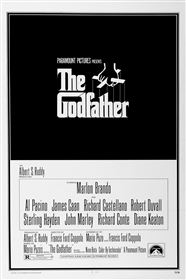
The Godfather
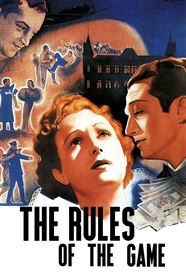
The Rules of the Game

Cléo from 5 to 7

The Searchers
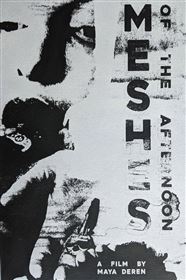
Meshes of the Afternoon

Close-Up

Persona
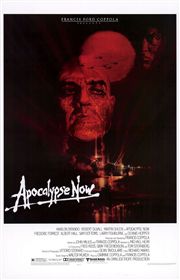
Apocalypse Now

Seven Samurai

The Passion of Joan of Arc

Late Spring

PlayTime
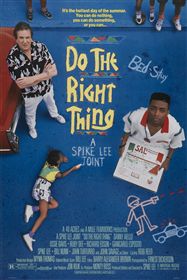
Do the Right Thing

Au hasard Balthazar

The Night of the Hunter

Shoah

Daisies
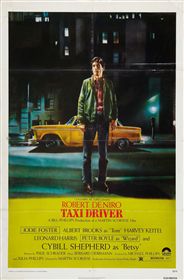
Taxi Driver

Portrait of a Lady on Fire
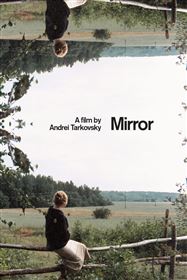
Mirror

8½

Psycho

L'Atalante

Pather Panchali

City Lights

M

Breathless
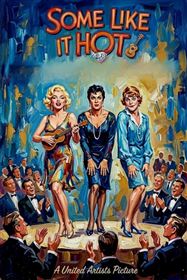
Some Like It Hot
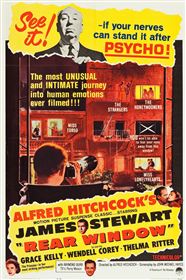
Rear Window
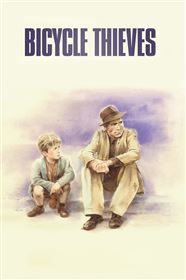
Bicycle Thieves

Rashomon

Stalker
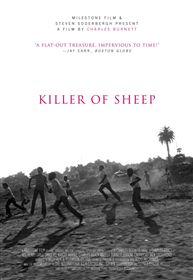
Killer of Sheep
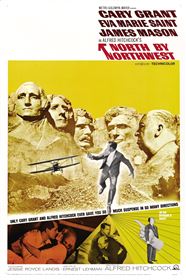
North by Northwest

The Battle Of Algiers
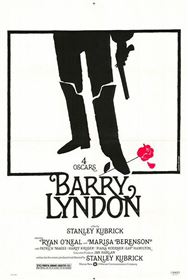
Barry Lyndon

Wanda

Ordet

The 400 Blows
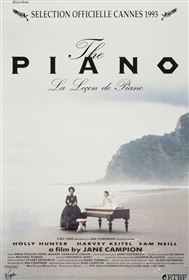
The Piano

News from Home
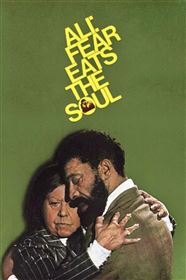
Ali: Fear Eats the Soul

The Apartment

Battleship Potemkin

Sherlock Jr

Contempt

Blade Runner
Sans Soleil

Daughters of the Dust
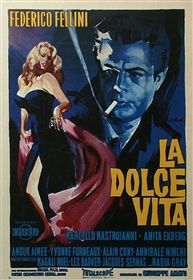
La Dolce Vita

Moonlight
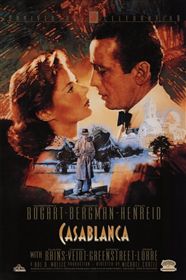
Casablanca
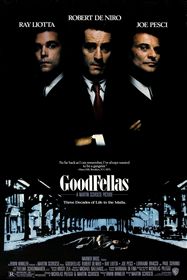
Goodfellas

The Third Man

Journey of the Hyena

The Gleaners & I

Metropolis

Andrei Rublev
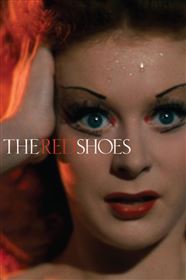
The Red Shoes

La Jetée

My Neighbor Totoro

Journey to Italy

L'Avventura
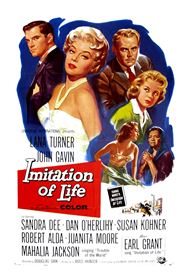
Imitation of Life

Sansho the Bailiff

Spirited Away

A Brighter Summer Day
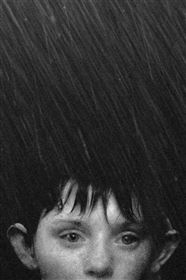
Satantango
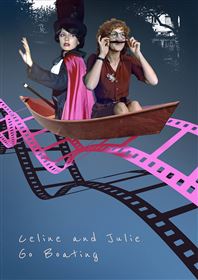
Celine and Julie Go Boating

Modern Times
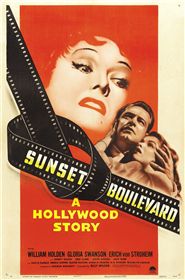
Sunset Boulevard
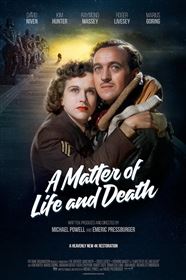
A Matter of Life and Death

Blue Velvet
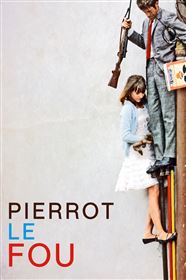
Pierrot le Fou

The Spirit of the Beehive
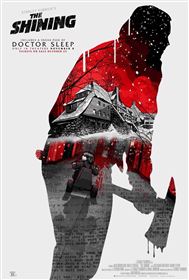
The Shining

Chungking Express

Madame de...

The Leopard

Ugetsu

Parasite

Yi Yi

A Man Escaped

The General

Once Upon a Time in the West
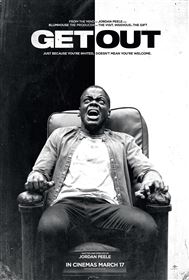
Get Out

Black Girl

Tropical Malady

Vagabond

The House Is Black

Rio Bravo

Come and See
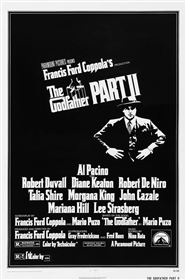
The Godfather: Part II
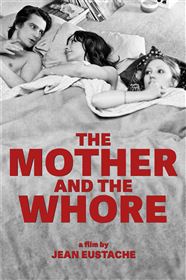
The Mother and the Whore
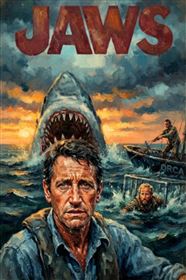
Jaws

Wild Strawberries

Bringing Up Baby

The Man Who Shot Liberty Valance
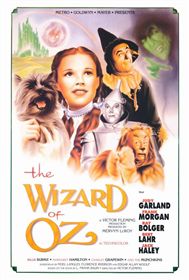
The Wizard of Oz

Goodbye, Dragon Inn

Touch of Evil
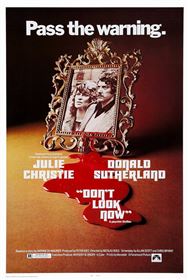
Don't Look Now

To Be or Not to Be

A Woman Under the Influence

Nashville
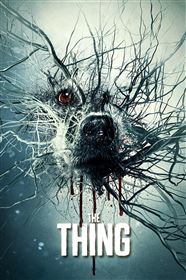
The Thing

Aguirre, the Wrath of God

The Texas Chainsaw Massacre

The Conformist

Only Angels Have Wings
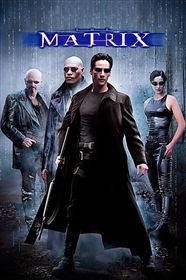
The Matrix

There Will Be Blood
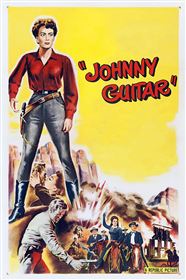
Johnny Guitar
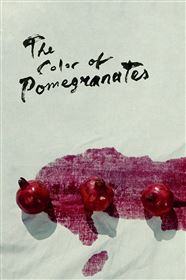
The Color of Pomegranates
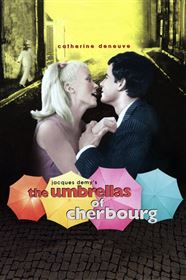
The Umbrellas of Cherbourg

The Ascent
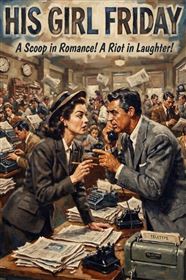
His Girl Friday

Pulp Fiction
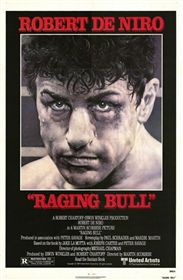
Raging Bull
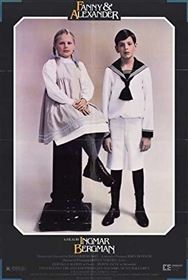
Fanny and Alexander

Notorious

Lawrence of Arabia
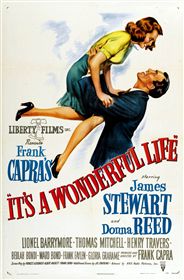
It's a Wonderful Life

A Day in the Country

Children of Paradise
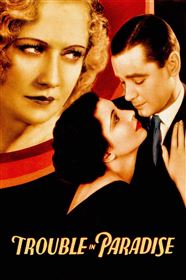
Trouble in Paradise

The Wild Bunch

The Swamp

Gertrud

The Seventh Seal

Sambizanga
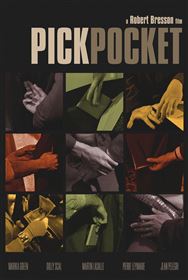
Pickpocket

All That Heaven Allows
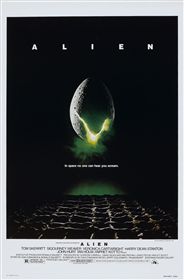
Alien

The Watermelon Woman

Grand Illusion

Vampyr

India Song
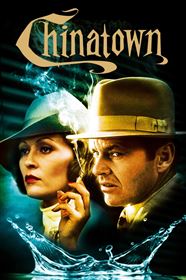
Chinatown
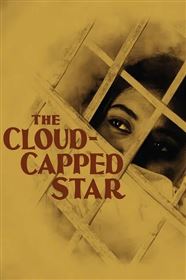
The Cloud-Capped Star
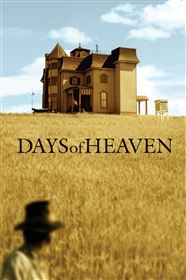
Days of Heaven

Happiness

West Indies

A City of Sadness

The Gospel According to St. Matthew
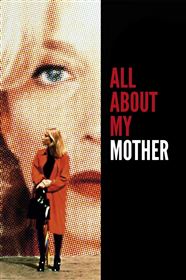
All About My Mother

Ikiru

Los Olvidados
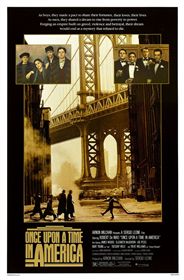
Once Upon a Time in America
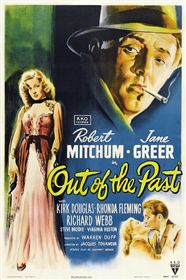
Out of the Past

Where Is the Friend's House?

Orlando
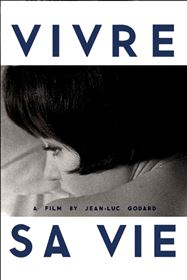
Vivre sa vie

Tie Xi Qu: West of the Tracks

Amarcord

The Exterminating Angel

Last Year In Marienbad

Un Chien Andalou

Symbiopsychotaxiplasm: Two Takes

Heat
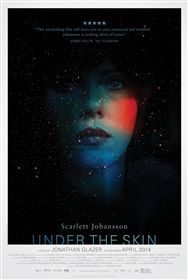
Under The Skin
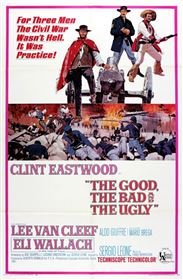
The Good, The Bad and The Ugly

Hiroshima Mon Amour

The Magnificent Ambersons
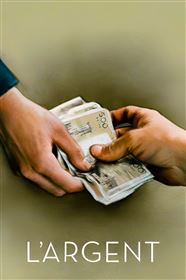
Money
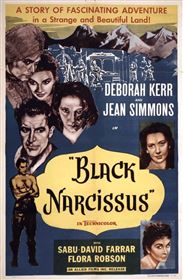
Black Narcissus

Letter from an Unknown Woman
Memories of Underdevelopment
Red Desert

Charulata
Pyaasa
Magnolia
Greed
Wings of Desire

Ran
The Birds

An Autumn Afternoon

Paris, Texas

The Young Girls of Rochefort

The River
Love Streams

Paisan

The Headless Woman

Dr. Strangelove or: How I Learned to Stop Worrying and Love the Bomb

L'Eclisse

Wavelength

Uncle Boonmee Who Can Recall His Past Lives

Nosferatu

I Know Where I'm Going!
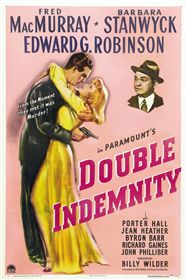
Double Indemnity

The Life and Death of Colonel Blimp

Paris Is Burning
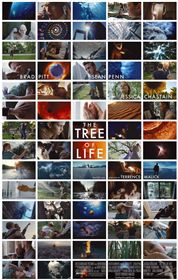
The Tree of Life

Zama

One Way or Another
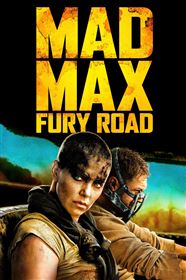
Mad Max: Fury Road
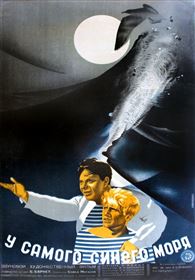
U samogo sinego morya

Suspiria
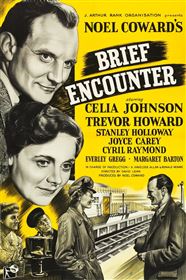
Brief Encounter
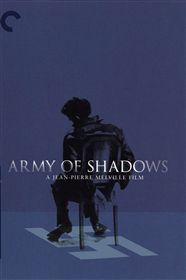
Army of Shadows

All About Eve

Limite
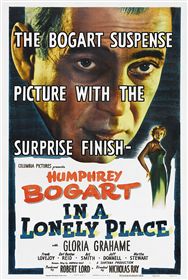
In a Lonely Place
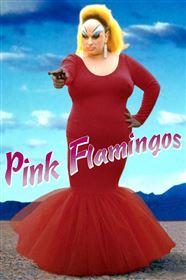
Pink Flamingos
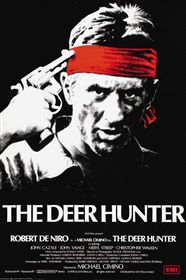
The Deer Hunter

Twin Peaks: Fire Walk With Me

Duck Soup

Melancholia

Twenty Years Later
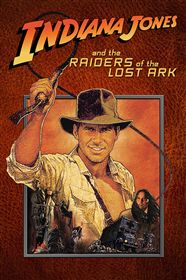
Raiders of the Lost Ark

Harlan County U.S.A.

A Touch Of Zen

Summer

Happy Together

Star Wars IV: A New Hope
Blue

Napoleon

Intolerance

Flowers of Shanghai

As I Was Moving Ahead Occasionally I Saw Glimpses of Beauty
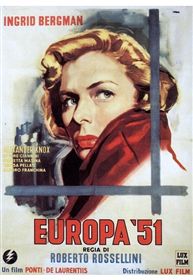
Europe '51
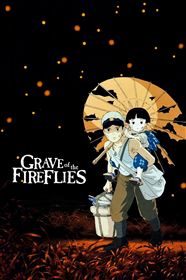
Grave of the Fireflies
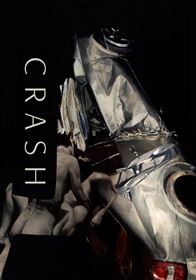
Crash

Cries and Whispers
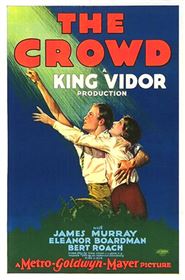
The Crowd

I, You, He, She
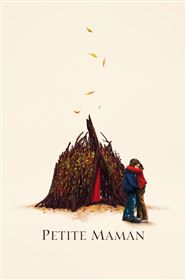
Petite Maman

In Vanda's Room

My Darling Clementine

The Quince Tree Sun

Annie Hall

Pandora's Box
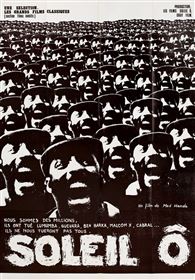
Oh, Sun
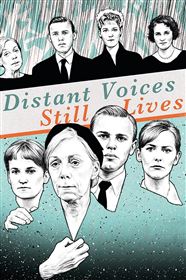
Distant Voices, Still Lives

Morvern Callar

Sullivan's Travels

The Intruder

Born in Flames

Syndromes and a Century
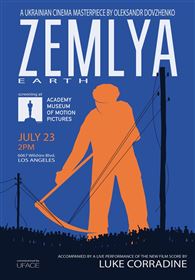
Earth

Mouchette

Werckmeister Harmonies
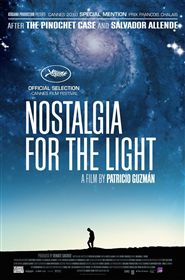
Nostalgia for the Light
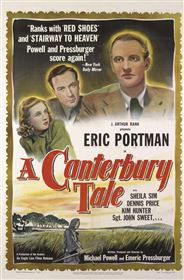
A Canterbury Tale
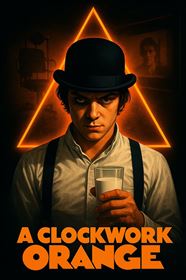
A Clockwork Orange
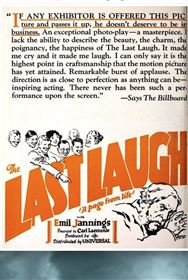
The Last Laugh

Taste of Cherry

Possession
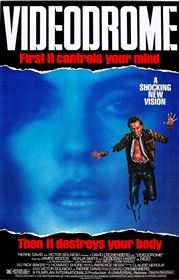
Videodrome


