The Movies Begin, Vol 5: Comedy, Spectacle and New Horizons (1907)
Short/Science-Fiction/Comedy · 1h 25m · 2/18/2002


Description
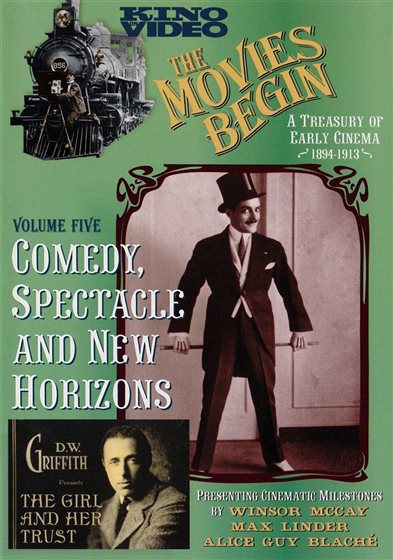
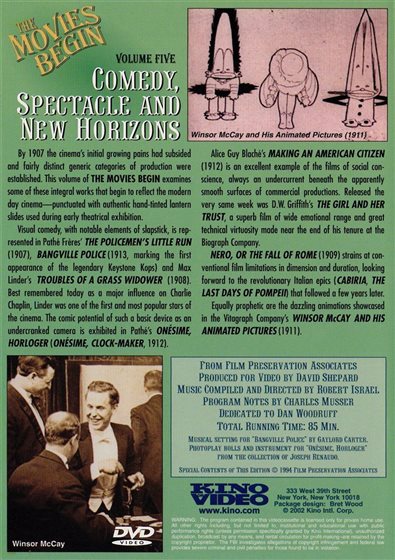
By 1907 the cinema's initial growing pains had subsided and fairly distinct generic categories of production were established. This volume of THE MOVIES BEGIN examines some of these integral works that begin to reflect the modern day cinema--punctuated with authentic hand-tinted lantern slides used during early theatrical exhibition. Visual comedy, with notable elements of slapstick, is represented in Pathe's Freres' THE POLICEMEN'S LITTLE RUN (1907), BANGVILLE POLICE (1913, marking the first appearance of the legendary Keystone Kops) and Max Linder's TROUBLES OF A GRASS WIDOWER (1908). Best remembered today as a major influence on Charlie Chaplin, Linder was one of the first and most popular stars of the cinema. The comic potential of such a basic device as an undercranked camera is exhibited in Pathe's ONESIME, HORLOGER (ONESIME, CLOCK-MAKER, 1912). Alice guy Blache's MAKING AN AMERICAN CITIZEN (1912) is an excellent example of the films of social conscience, always an undercurrent beneath the apparently smooth surfaces of commercial productions. Released the very same week was D.W. Griffith's THE GIRL AND HER TRUST, a superb film of wide emotional range and great technical virtuosity made near the end of his tenure at the Biograph Company. NERO, OR THE FALL OF ROME (1909) strains at conventional film limitations in dimension and duration, looking forward to the revolutionary Italian epics (CABIRIA, THE LAST DAYS OF POMPEII) that followed a few years later. Equally prophetic are the dazzling animations showcased in the Vitagraph Company's WINSOR McCAY AND HIS ANIMATED PICTURES (1911).
Release Country
United StatesRelease Date
2/18/2002Audio
 |
Music | |
|
Studio
Kino VideoVideo Format
NTSCAspect Ratio
1.33:1Discs

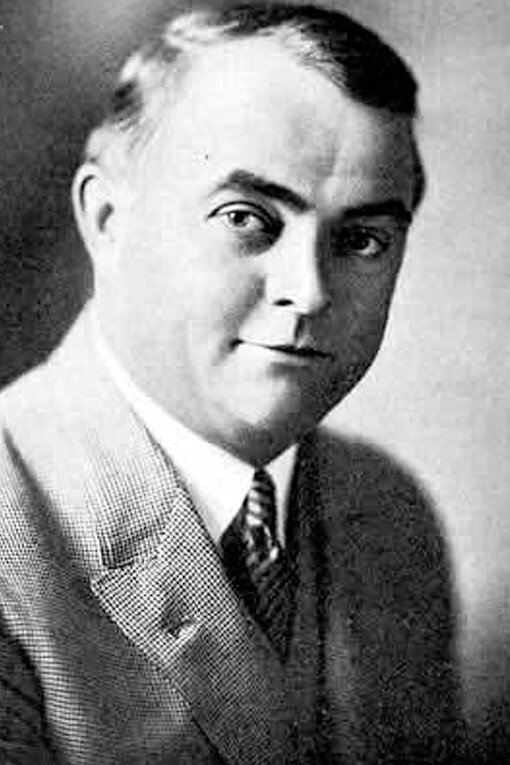
Fred Mace
Sheriff of Bangville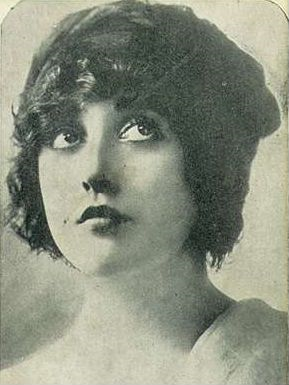
Mabel Normand
Della - the Farmer's Daughter
Nick Cogley
Della's FatherCharles Avery
1st Deputy
Dot Farley
Della's MotherRube Miller
2nd Deputy (in straw hat)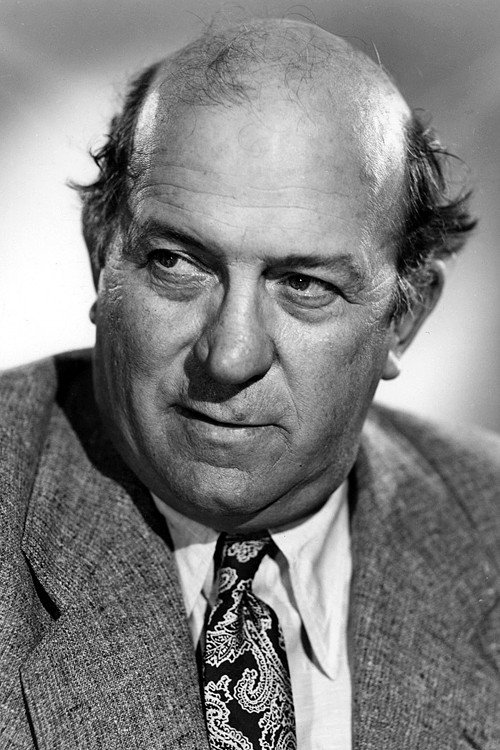
Edgar Kennedy
3rd Deputy (in straw hat)
Raymond Hatton
Farm Hand (in vest)Jack Leonard
DeputyFred Happ
Deputy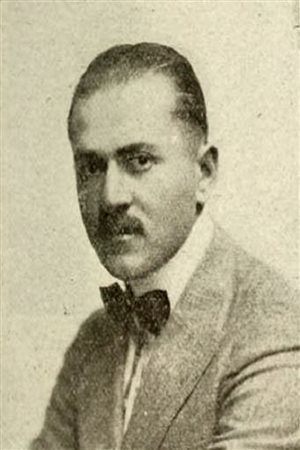
Henry Lehrman
Director
Muddled in Mud
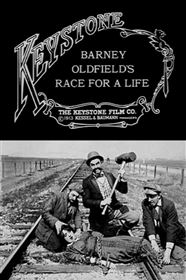
Barney Oldfield's Race for a Life

Her Dramatic Debut
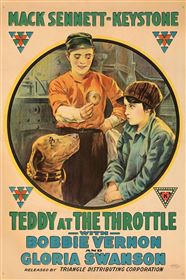
Teddy at the Throttle
House at Sea

His Prehistoric Past
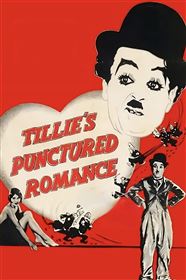
Tillie's Punctured Romance

The Fatal Mallet
Caught in a Cabaret
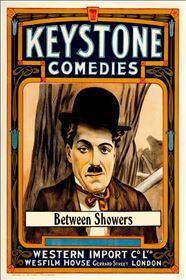
Between Showers
Mabel's Strange Predicament
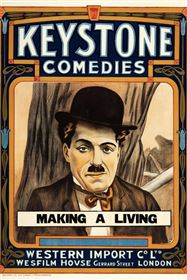
Making a Living
Kid Auto Races at Venice, Cal.
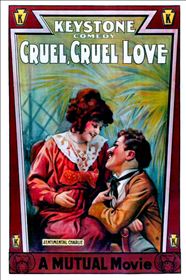
Cruel, Cruel Love
A Busy Day
The Rounders
Laughing Gas
Dough and Dynamite
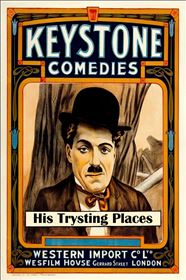
His Trysting Place
Getting Acquainted
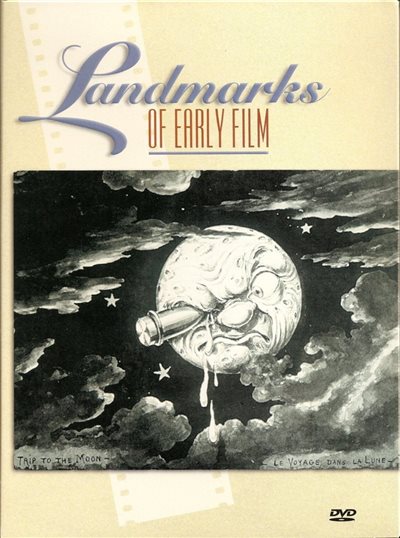
Bangville Police
(DVD, Snapper)
11/26/1997
Bangville Police
(DVD)
11/21/2008


