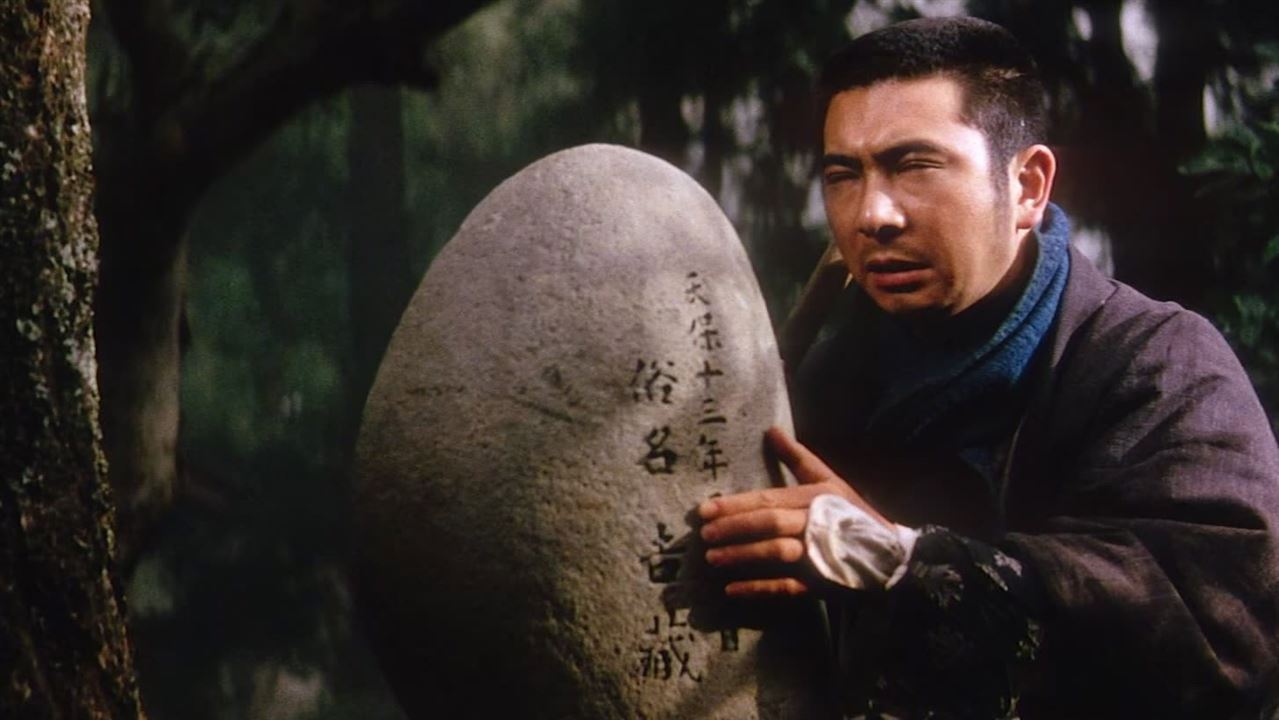

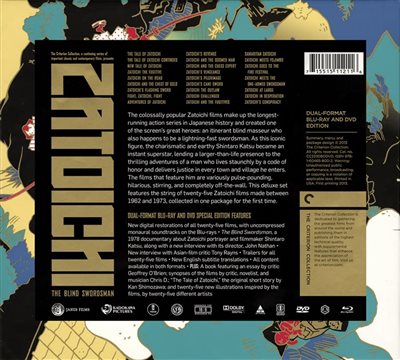
Zatoichi and the Chest of Gold (1964)
Drama/Action · 1h 22m · 11/26/2013


Description
This was young director Kazuo Ikehiro's first installment in the series, and it displays the kinetic, imaginative energy with camera setups that he would later bring to such films as The Lone Stalker (1968) and Trail of Blood (1972). It is a bit of an old-fashioned story, which composer Ichiro Saito emphasizes with his score of swelling organ crescendos: Ichi tries to retrieve a chest of gold representing the taxes paid by a poor village to corrupt officials and their cutthroat samurai. Shogo Shimada portrays a famous Robin Hood-like yakuza character named Chuji Kunisada; Mikiko Tsubouchi (from New Tale of Zatoichi) is a young woman whose brother was killed by Zatoichi; and real-life Shintaro Katsu brother Tomisaburo Wakayama plays the evil, scarred, whip-wielding swordsman Jushiro. There is a grueling climactic duel between Jushiro and Ichi that is one of the highlights of the series. Wakayama was a star in his own right who had begun at Shintoho studios, then graduated to Toei, appearing in such films as Tai Kato's gritty The Ghost Story of Oiwa's Spirit and Shigehiro Ozawa's Festival of Swordsmen (both 1961). But he also worked at Daiei under the pseudonym Kenzaburo Jo, playing sinister martial arts master Chen Sun in Sleepy Eyes of Death 1: The Chinese Jade (1963) and Sleepy Eyes of Death 4: Sword of Seduction (1964), and featuring in Satsuo Yamamoto's Ninja, a Band of Assassins (Shinobi no mono) and Shinobi no mono 2: Vengeance (both 1962). He also played in scores of yakuza pictures at Toei in the 1960s and 1970s, and would go on to assay his most famous role, as Itto Ogami, in the six-film Lone Wolf and Cub series (1972-74), made by his brother's Katsu Productions.
Release Country
United StatesRelease Date
11/26/2013Media Type
MovieAudio
 |
Japanese | PCM | |
Digital Copy
Not IncludedStudio
Kadokawa Corporation (Kadokawa Pictures Inc.)/Janus Films/The Criterion CollectionSubtitles
 English
Video Format
1080pAspect Ratio
2.35:1Cover Type
Slip CaseDiscs

Zatoichi: The Blind Swordsman
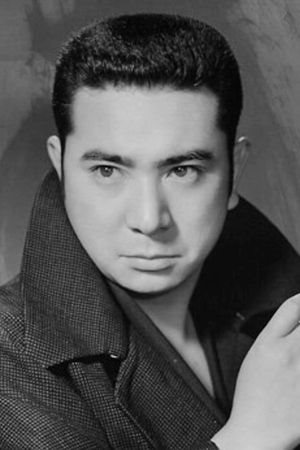
Shintarô Katsu
Zatoichi
Shôgo Shimada
Chuji Kunisada
Machiko Hasegawa
OginTomisaburô Wakayama
Jushiro (as Kenzaburo Jo)Tatsuya Ishiguro
EnzoMatasaburo Niwa
AsataroHikosaburo Kataoka
IwajiroMikiko Tsubouchi
OchioToranosuke Tennoji
MonjiKazuo Ikehiro
DirectorShozaburo Asai
WriterAkikazu Ota
Writer
Kan Shimozawa
WriterShozaburo Asai
ProducerKazuo Miyagawa
Cinematograpy
Takashi Taniguchi
EditorIchirô Saitô
Music
Yoshinobu Nishioka
Art
Rashomon
Seven Samurai

Yojimbo

Sanjuro

Harakiri

Samurai Assassin
The Sword of Doom
Lone Wolf and Cub: Sword of Vengeance
Lady Snowblood: Blizzard From the Netherworld
The Blind Swordsman: Zatoichi
13 Assassins
The Hidden Fortress
Throne of Blood
Samurai I: Musashi Miyamoto

Samurai II: Duel at Ichijoji Temple

Samurai III: Duel at Ganryu Island

Goyokin
Hitokiri
Shogun Assassin
Twilight Samurai

Zatoichi and the Chest of Gold
(Blu-ray, Box)
9/16/2016

Zatoichi: Zatoichi and the Chest of Gold
(DVD)
4/29/2003