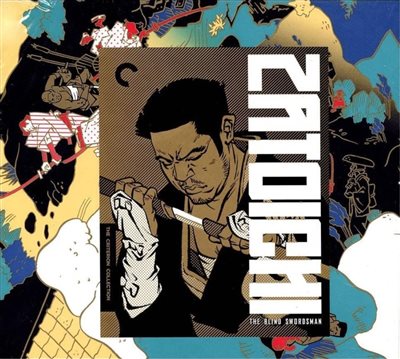
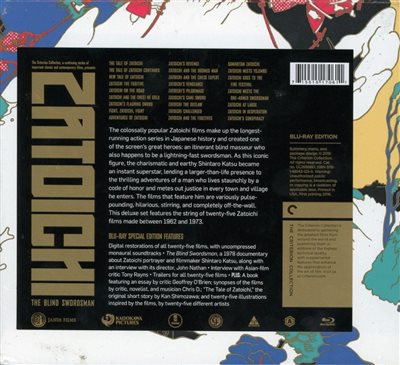
Zatoichi Goes to the Fire Festival (1970)
Martial Arts/Drama/Foreign/Adventure/Action · 1h 36m · 9/16/2016


Description
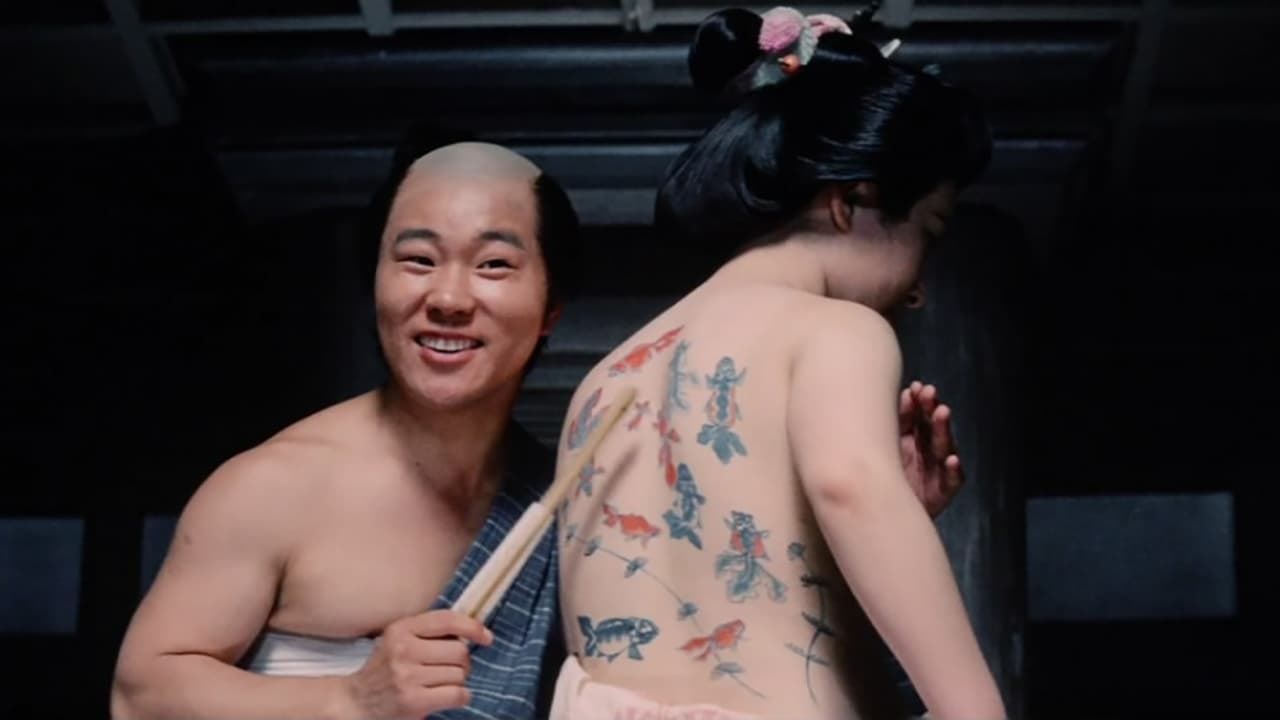
In this high point of the Zatoichi series, Masayuki Mori plays the blind yakuza boss-of-bosses Yamikubo, who devises some of the most Machiavellian schemes and cruelest death traps with which Ichi has ever had to contend. Tatsuya Nakadai is a former hatamoto samurai (the hatamoto were the shogun's top-ranking swordsmen) who has murdered his promiscuous wife. He is out to get Ichi, believing that Ichi slept with her. Nakadai's character is almost a carbon copy of the psychopathic samurai he played in Kihachi Okamoto's masterpiece The Sword of Doom (1966). Reiko Ohara is the daughter of an underboss (Ko Nishimura), who is first sent to trap Ichi but ends up falling in love with him. And Peter is the sexually ambiguous teenage pimp son of another underboss, who wants Ichi to "show him how to be a man." Director Kenji Misumi's visual poetry is in full bloom here, from his framing setups to his direction of the actors to his orchestration of emotions that well up into violent action. Within a year, he would begin filming his first of four of the excellent Lone Wolf and Cub movies for Katsu Productions. The score by Isao Tomita is sublime. Actor Mori will forever be remembered for his turn as the tragic everyman hero in Kenji Mizoguchi's masterpiece Ugetsu (1953), but he was also quite adept at playing villains, as in his memorable role as an uncanny hit man in Hiromichi Horikawa's Sun Above, Death Below (1968). Peter, one of Japan's most famous transgender stars, made a name for himself with his debut in Toshio Matsumoto's Funeral Parade of Roses (1969) and later played a prime supporting role in Akira Kurosawa's Ran (1985).
Release Country
United StatesRelease Date
9/16/2016Media Type
MovieAudio
 |
Japanese | PCM | |
Digital Copy
Not IncludedStudios
Janus Films/Katsu Production Co. Ltd./Kadokawa Pictures, Inc.Subtitles
 English
Video Format
1080pAspect Ratio
2.35:1Cover Type
DigibookDiscs


Zatoichi: The Blind Swordsman
Shintarô Katsu
Zatôichi
Reiko Ôhara
KiyoPîtâ
Umeji
Kazuko Yoshiyuki
Wife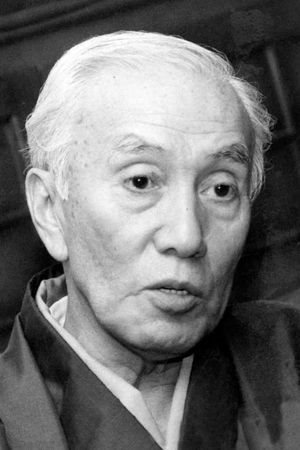
Kô Nishimura
MigiRyûnosuke Kaneda
Boss Kuroko
Kunie Tanaka
Packhorse Driver
Osami Nabe
Mistress AuctioneerJun Nagasawa
Egg Slinging Kuroko YakuzaUtae Shôji
Teahouse Owning WifeReiji Shoji
Teahouse Owning HusbandYôsuke Kondô
Boss Men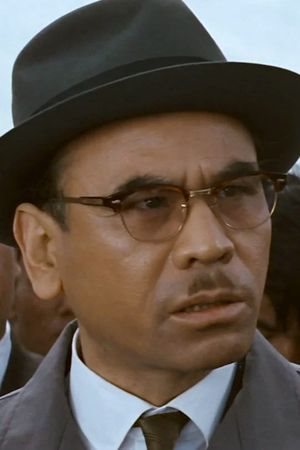
Kenzô Tabu
Wealthy Mistress Auction Buyer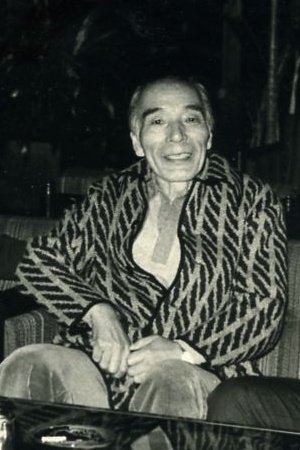
Yoshio Yoshida
Mistress of Auction Yakuza BossOsamu Ôkawa
Yakuza BossAkira Shimizu
Merchant with Business Burning DownTakumi Shinjo
Yakuza BossTeruko Ômi
Bath House ManagerYasuhiro Mizukami
Yakuza BossRyûtarô Gomi
Yakuza BossYukio Horikita
Kuroko YakuzaTakuya Kitano
Egg Merchant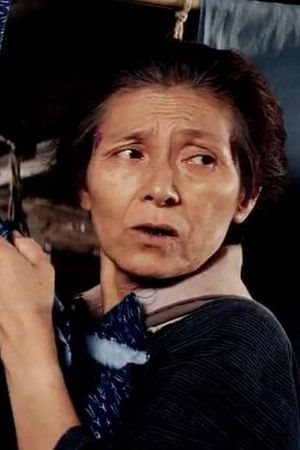
Kanae Kobayashi
Egg Merchant
Jun Katsumura
Yamikubo Yakuza
Masayuki Mori
Dark Lord Yamikubo
Tatsuya Nakadai
Ronin
Kenji Misumi
DirectorShintarô Katsu
Writer
Kan Shimozawa
Writer
Zatoichi Challenged
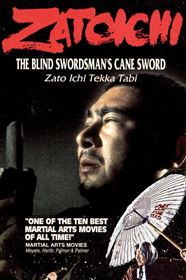
Zatoichi's Cane Sword
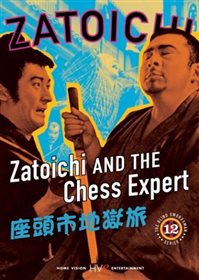
Zatoichi and the Chess Expert
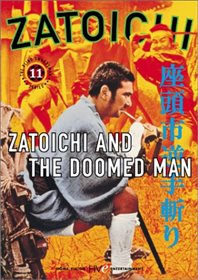
Zatoichi and the Doomed Man
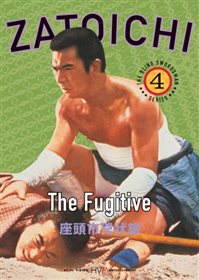
Zatoichi the Fugitive
Zatoichi's Vengeance
Adventures of Zatoichi
Zatoichi and the Chest of Gold
Zatoichi on the Road
Zatoichi's Pilgrimage
Zatoichi and the Fugitives

Zatoichi at Large

Zatoichi's Conspiracy
Lone Wolf and Cub: Sword of Vengeance
Lone Wolf and Cub: Baby Cart at the River Styx
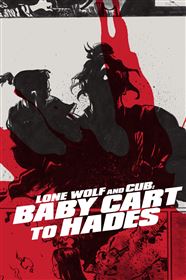
Lone Wolf and Cub: Baby Cart to Hades

Lone Wolf and Cub: Baby Cart in Peril
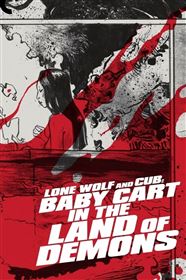
Lone Wolf and Cub: Baby Cart in the Land of Demons

Lone Wolf and Cub: White Heaven in Hell
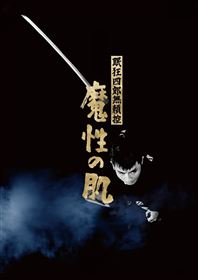
The Trail of Traps
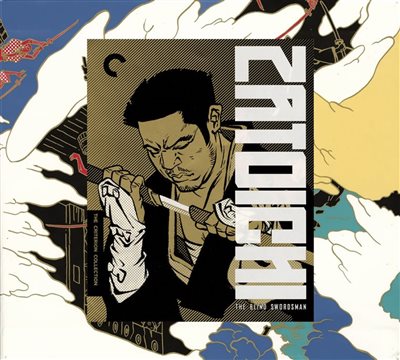
Zatoichi Goes to the Fire Festival
(Blu-ray, Slip Case)
11/26/2013
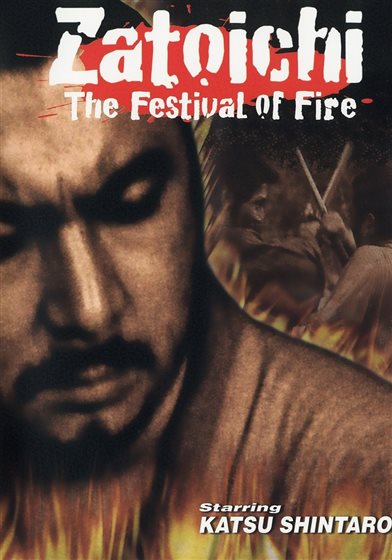
Zatoichi - The Festival of Fire
(DVD)
4/6/2004
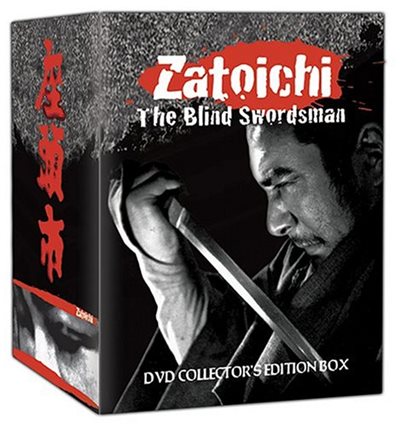
Zatoichi - The Blind Swordsman DVD Collector's Edition Box
(DVD)
3/8/2005