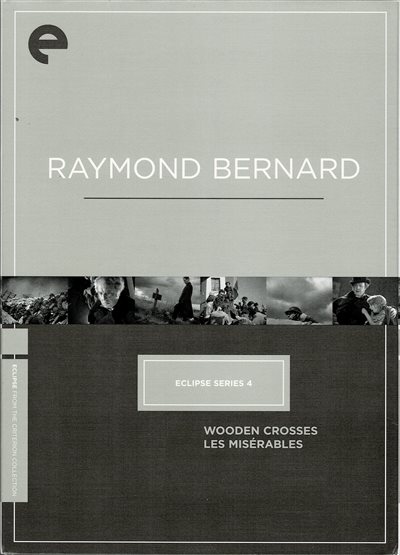
Raymond Bernard: Eclipse Series 4
6h 34m · 7/17/2007
Description
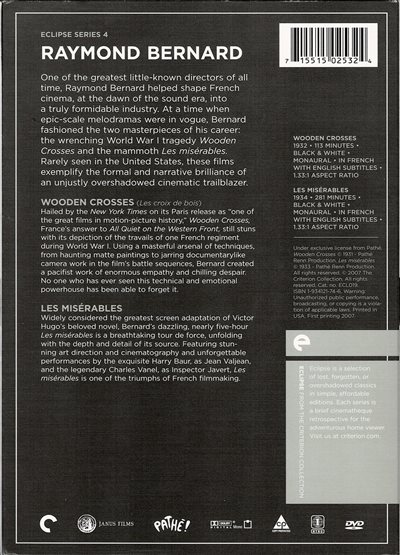
One of the greatest and least-known directors of all time, Raymond Bernard helped shape French cinema, at the dawn of the sound era, into a truly formidable industry. Typical of films from this period, Bernard’s dazzling dramas painted intimate melodrama on epic-scale canvases. These two masterpieces—the wrenching World War I tragedy Wooden Crosses and a mammoth, nearly five-hour Les misérables, widely considered the greatest film adaptation of Victor Hugo’s novel—exemplify the formal and narrative brilliance of an unjustly overshadowed cinematic trailblazer. WOODEN CROSSES (Les croix de bois) Hailed by the New York Times on its Paris release as "one of the great films in motion picture history," Wooden Crosses, France's answer to All Quiet on the Western Front, still stuns with its depiction of the travails of one French regiment during World War I. Using a masterful arsenal of film techniques, from haunting matte paintings to jarring documentarylike camera work in the film's battle sequences, Bernard created a pacifist work of enormous empathy and chilling despair. No one who has ever seen this technical and emotional powerhouse has been able to forget it. LES MISÉRABLES Widely considered the greatest screen adapation of Victor Hugo's beloved novel, Bernard's dazzling, nearly five-hour Les misérables is a breathtaking tour de force, unfolding with the depth and detail of its source. Featuring stunning art direction and cinematography and unforgettable performances by the exquisite Harry Baur, as Jean Valjean, and the legendary Charles Vanel, as Inspector Javert, Les misérables is one of the triumphs of French filmmaking.

Release Country
United StatesBarcode
715515025324Release Date
7/17/2007Media Type
MovieDigital Copy
Not IncludedVideo Format
NTSCCover Type
Keep Case (Std.) , Slip CoverDiscs

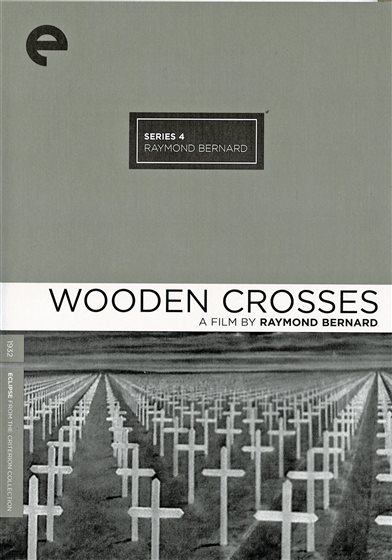
Wooden Crosses
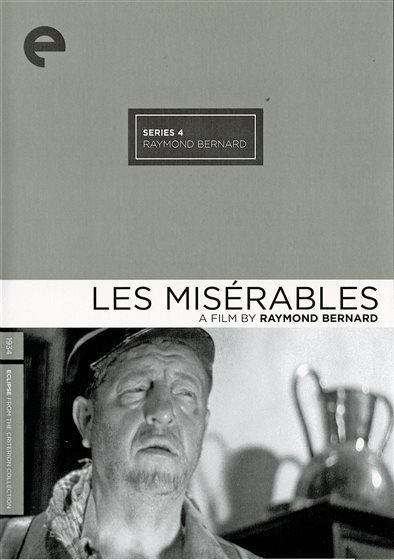
Les Misérables


