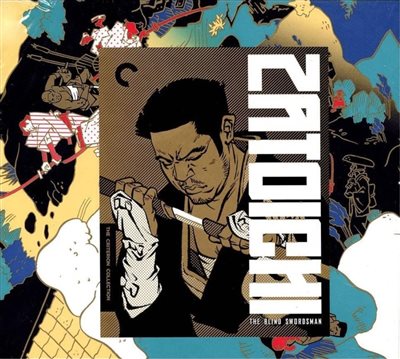

Zatoichi and the Chess Expert (1965)
Martial Arts/Drama/Foreign/Adventure/Action · 1h 27m · 9/16/2016


Description
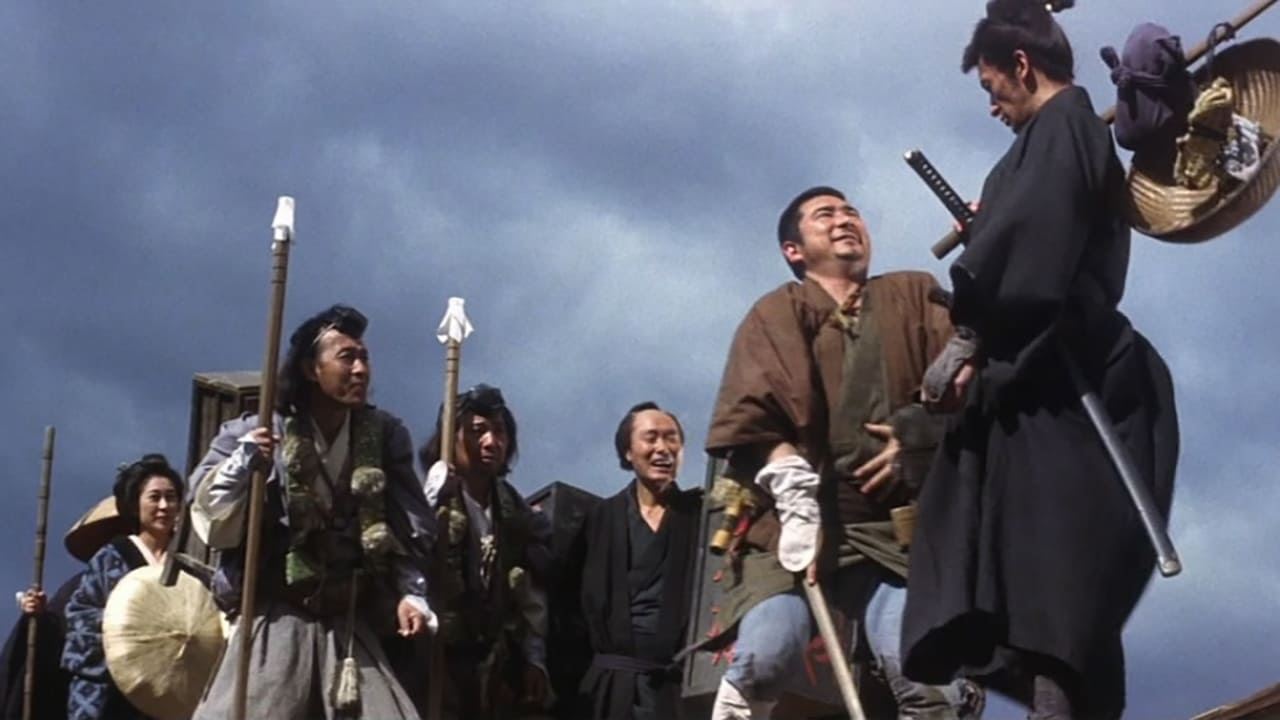
Ichi is befriended by a strange chess-playing samurai (Mikio Narita) who makes a living by traveling to give exhibitions of whack-a-mole skill at festivals. He is also once again being followed, now by two sets of yakuza who have it in for him: one led by a cripple (Rokko Toura) and the other by victims of his grifting dice game (which he uses only to beat dishonest players, a running gag throughout the series). Ichi also encounters a tubercular young samurai (Gaku Yamamoto), his sister (Chizuru Hayashi), and their servant (Taro Marui), who are searching for the vindictive man who killed their father over a chess game. Kaneko Iwasaki is a woman traveling and performing on the shamisen with her young daughter. It turns out Iwasaki's character is acting as advance scout for the murderous pals of her late husband (the crippled yakuza's bunch), who was killed by Ichi in a gang fight. Conflict arises when the daughter is injured and Ichi goes on a mission of mercy to a nearby village to get the rare medicine needed to cure the child. Everyone ends up at the gorgeous Hakone hot springs, where much of the climactic action takes place. As ever, maestro Kenji Misumi acquits himself well in the director's chair. Guest villain Narita appeared in many yakuza films during the mid to late 1960s at Daiei, and then in the early to mid 1970s at Toei, most notably as part of the ensemble in Kinji Fukasaku's film series Battles Without Honor and Humanity (1973-76).
Release Country
United StatesRelease Date
9/16/2016Media Type
MovieAudio
 |
Japanese | PCM |  |
Digital Copy
Not IncludedStudios
Kadokawa Pictures, Inc./Janus FilmsSubtitles
 English
Video Format
1080pAspect Ratio
2.35:1Cover Type
DigibookDiscs


Zatoichi: The Blind Swordsman

Shintarô Katsu
Zatôichi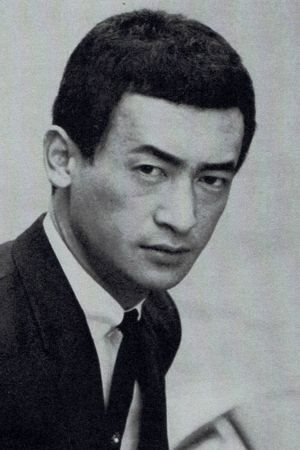
Mikio Narita
Tadasu Jumonji
Chizu Hayashi
Kume
Kaneko Iwasaki
Tane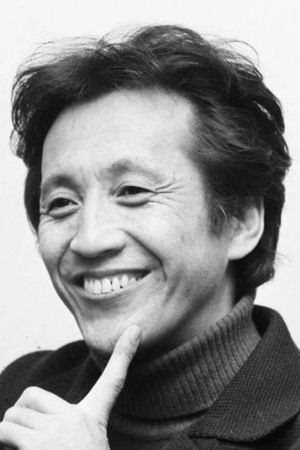
Gaku Yamamoto
Tomonoshin Sagawa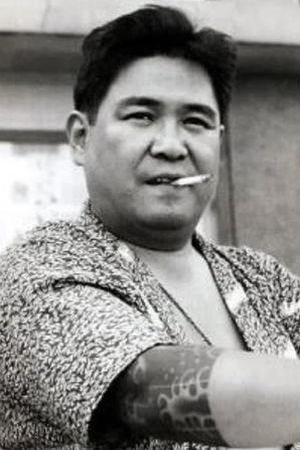
Tatsuo Endô
Yakuza Boss of EjimayaNaoko Fujiyama
Miki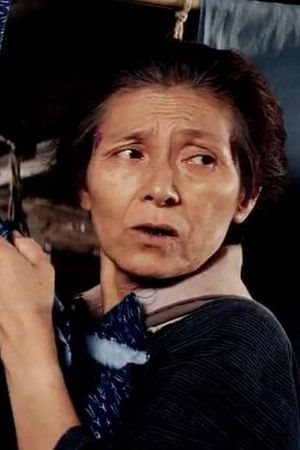
Kanae Kobayashi
Widow TarozaemonTarô Marui
Roppei
Fujio Suga
Injury-Prone Banyu Yakuza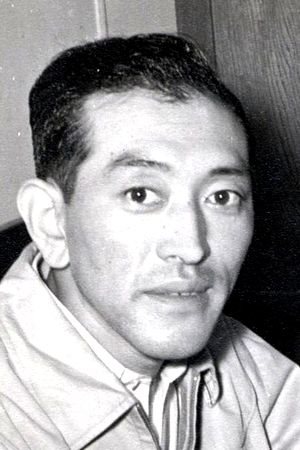
Kenji Misumi
DirectorDaisuke Itô
Writer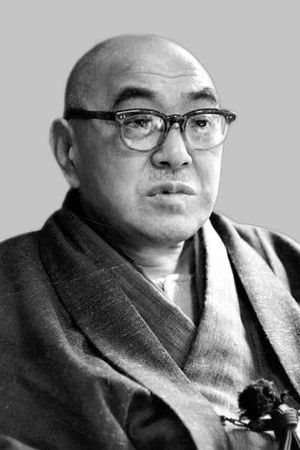
Kan Shimozawa
Writer
Zatoichi the Fugitive
Zatoichi on the Road
Zatoichi and the Chest of Gold
Zatoichi and the Doomed Man
Zatoichi's Revenge
Zatoichi's Pilgrimage
Zatoichi's Cane Sword
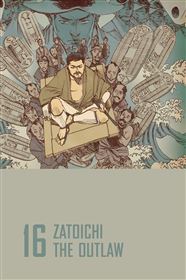
Zatoichi The Outlaw
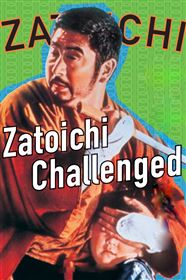
Zatoichi Challenged
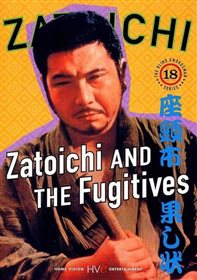
Zatoichi and the Fugitives
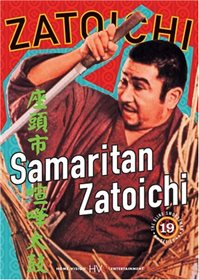
Samaritan Zatoichi
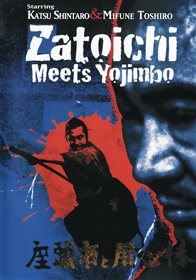
Zatoichi Meets Yojimbo
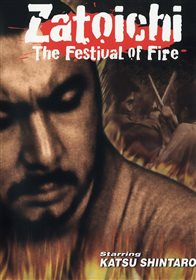
Zatoichi Goes to the Fire Festival
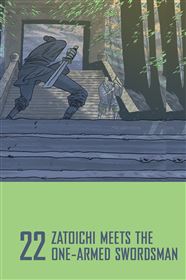
Zatoichi and the One-Armed Swordsman
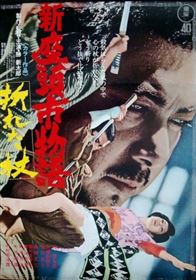
Zatoichi in Desperation
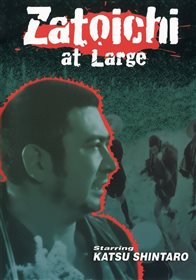
Zatoichi at Large

Zatoichi's Conspiracy
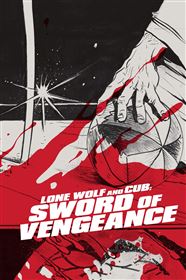
Lone Wolf and Cub: Sword of Vengeance
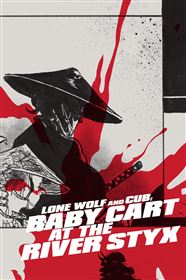
Lone Wolf and Cub: Baby Cart at the River Styx
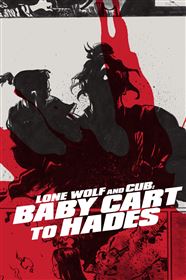
Lone Wolf and Cub: Baby Cart to Hades
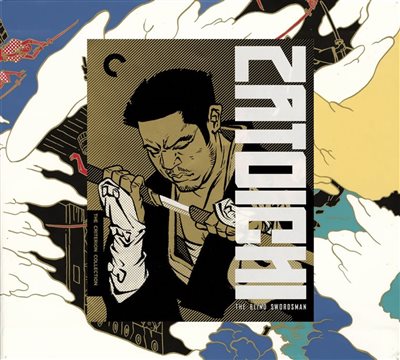
Zatoichi and the Chess Expert
(Blu-ray, Slip Case)
11/26/2013
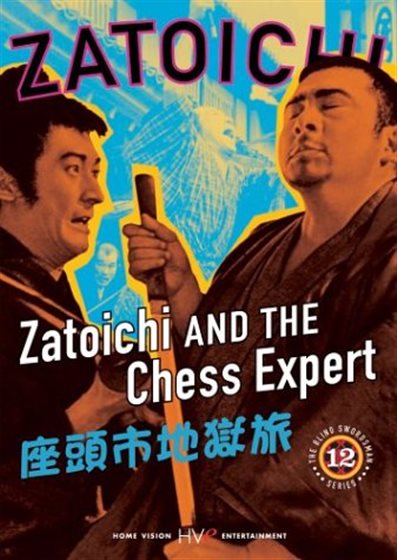
Zatoichi: Zatoichi and the Chess Expert
(DVD)
5/18/2004