Zatoichi's Vengeance (1966)
Drama · 1h 23m · 11/26/2013


Description
Shigeru Amachi, from the original The Tale of Zatoichi, returns, again playing a disillusioned samurai. This time, he is not friendly toward Ichi, however, but bent on slaying him from the outset. Cynical and cold-blooded, Amachi's character, Kurobe, has one redeeming quality: he wants to free his lover from a local brothel with the bounty on Ichi's head, accepting payment from the local yakuza boss (played with slimy relish by Kei Sato) to act as the gang's yojimbo. Mayumi Ogawa is the ill-fated alcoholic courtesan who is in love with Kurobe, an affair that clearly will not end well. Jun Hamamura is the self-righteous, itinerant, biwa-playing blind priest who guilt-trips Ichi about his sword fighting. Adding to that, Ichi is already well aware of the power he has to be either a good or bad influence, because of the young village boy who doggedly follows him in awe. Thus hamstrung, Ichi suffers through several instances of brutal humiliation at the hands of the gang before he finally can no longer resist fighting back. The luminous cinematography is by Kazuo Miyagawa. There were many different cinematographers on the Zatoichi series, and Miyagawa, along with Chikashi Makiura and Fujio Morita, was among the best. In addition to shooting a number of Zatoichi films, Miyagawa is known for his work on Akira Kurosawa's Rashomon (1950) and Yojimbo (1961), Kenji Mizoguchi's Ugetsu (1953) and Sansho the Bailiff (1954), Kon Ichikawa's Conflagration (1958) and Odd Obsession (1959), and Buichi Saito's Lone Wolf and Cub 4: Baby Cart in Peril (1972)—to name only a choice few!
Release Country
United StatesRelease Date
11/26/2013Media Type
MovieAudio
 |
Japanese | PCM | |
Digital Copy
Not IncludedStudio
Kadokawa Corporation (Kadokawa Pictures Inc.)/Janus Films/The Criterion CollectionSubtitles
 English
Video Format
1080pAspect Ratio
2.35:1Cover Type
Slip CaseDiscs

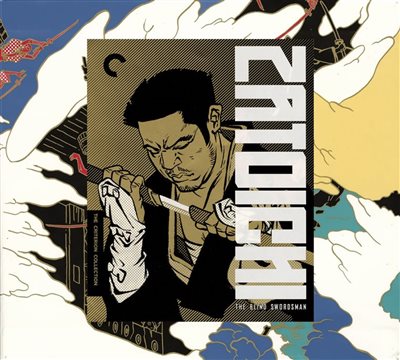
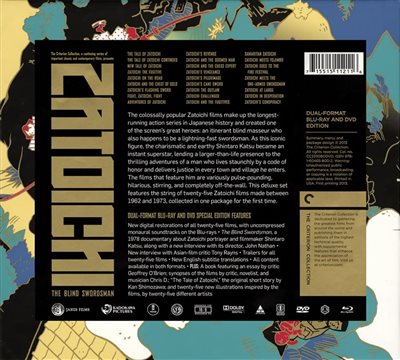
Zatoichi: The Blind Swordsman

Shintarô Katsu
Zatoichi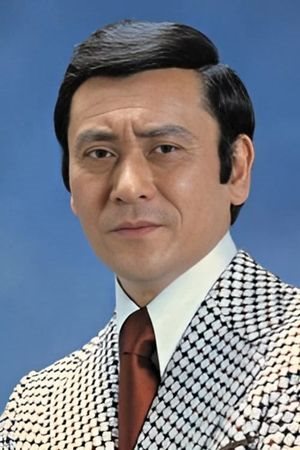
Shigeru Amachi
Genpachiro Kuroda
Jun Hamamura
Blind Biwa Priest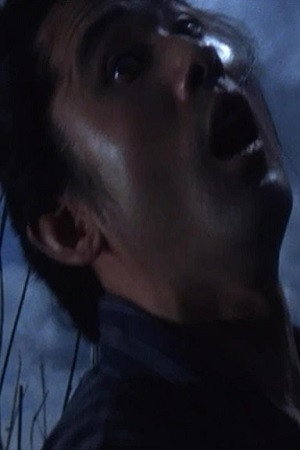
Gen Kimura
Tamekichi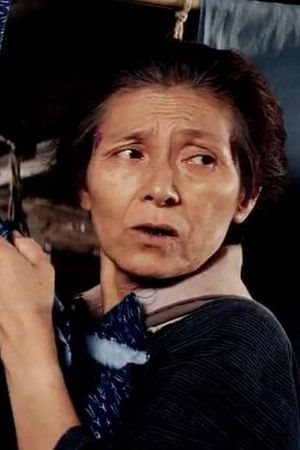
Kanae Kobayashi
Tamekichi's mother
Koichi Mizuhara
Joshuya
Mayumi Ogawa
Cho / Shino
Kei Satô
Boss GonzoTokuzô Tanaka
Director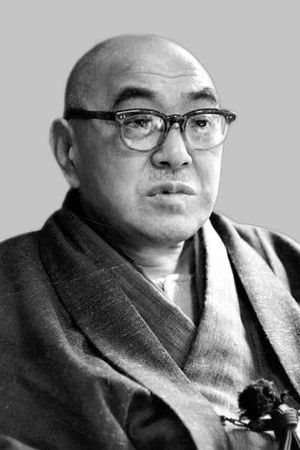
Kan Shimozawa
WriterHajime Takaiwa
WriterIkuo Kubodera
ProducerKazuo Miyagawa
CinematograpyKanji Suganuma
Editor
Akira Ifukube
Music
Yoshinobu Nishioka
Art
Zatoichi Challenged

Zatoichi's Cane Sword

Zatoichi the Fugitive

Zatoichi on the Road

Zatoichi and the Chest of Gold

Zatoichi and the Doomed Man
Zatoichi and the Chess Expert
Zatoichi's Pilgrimage

Zatoichi and the Fugitives
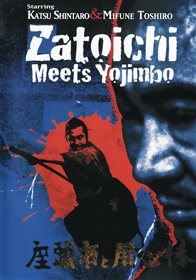
Zatoichi Meets Yojimbo

Samurai Assassin

Harakiri
The Sword of Doom
Lone Wolf and Cub: Sword of Vengeance

Lady Snowblood: Blizzard From the Netherworld
Three Outlaw Samurai

Goyokin
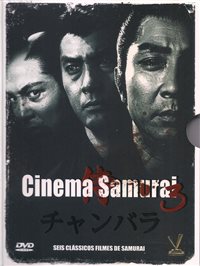
Hitokiri
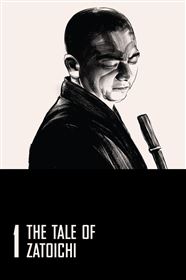
Zatoichi 01: The Tale of Zatoichi
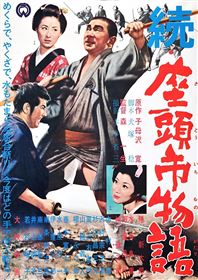
The Tale of Zatoichi Continues
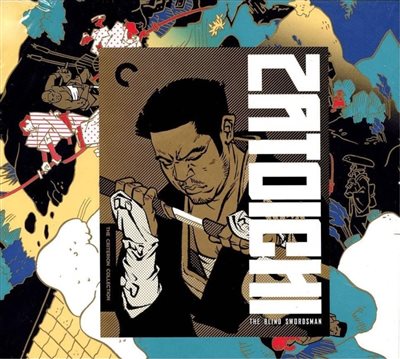
Zatoichi's Vengeance
(Blu-ray, Digibook)
9/16/2016
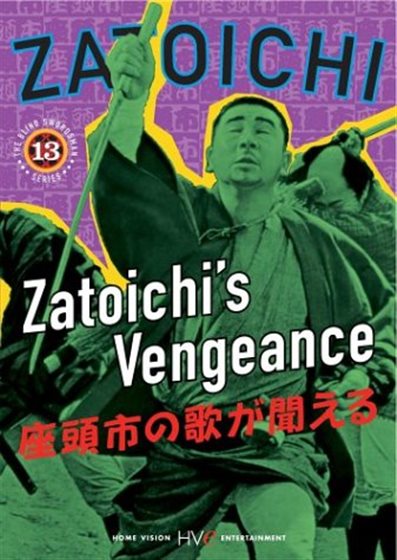
Zatoichi: Zatoichi's Vengeance
(DVD)
5/18/2004