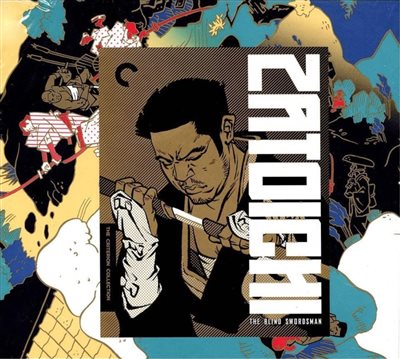
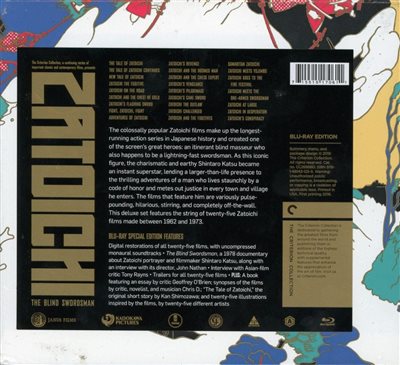
Zatoichi's Flashing Sword (1964)
Martial Arts/Drama/Foreign/Adventure/Action · 1h 22m · 9/16/2016


Description
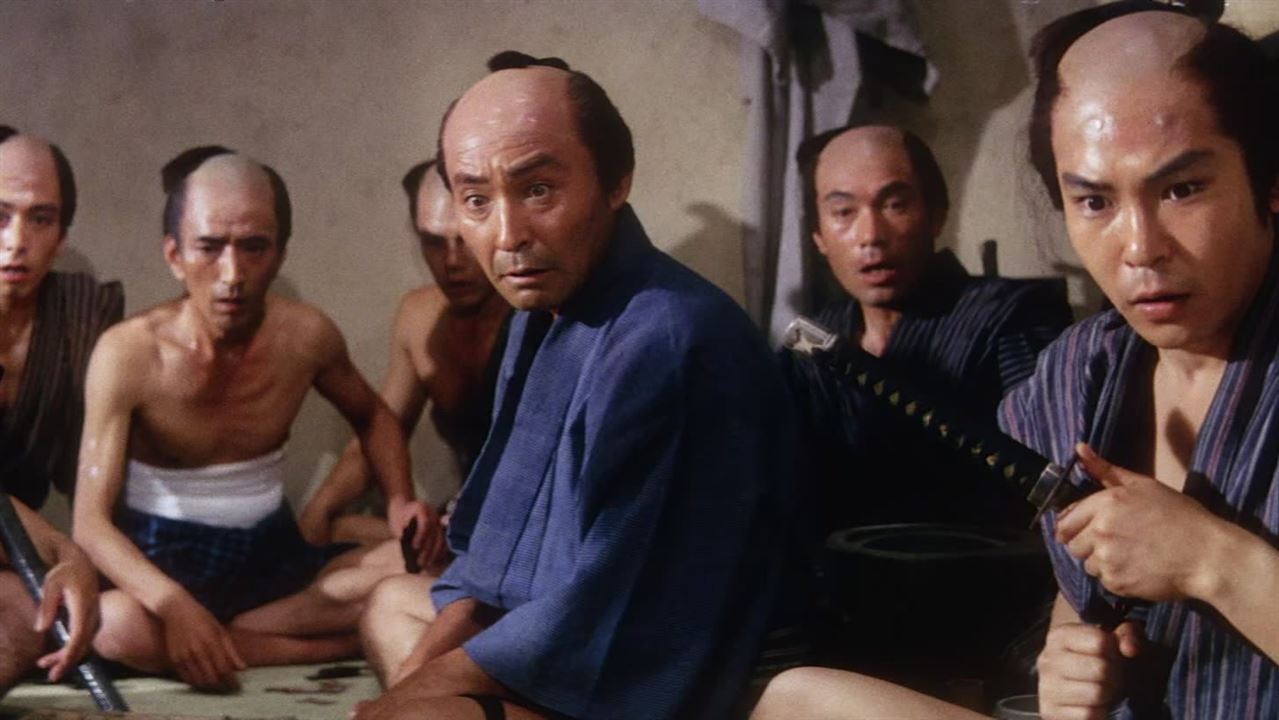
Ichi tries to assist a comparatively good gang against an evil one led by the stammering Boss Yasugoro, who is intent on stealing the river-crossing rights of the village. Naoko Kubo and Mayumi Nagisa are daughters of the ethical boss. When the evil clan triumphs, wiping out the good guys, Ichi goes on a rampage. This final sword fight takes place beneath a night sky lit up by multihued fireworks, and we see the dissipating red and green glow on the faces of the fighting yakuza. Once again, director Kazuo Ikehiro—who, from the look of things, seems to have been hampered by budget and schedule constraints—takes a fairly formulaic story and makes it his own with his dynamic action. Along with Kenji Misumi, Kazuo Mori, and Kimiyoshi Yasuda, young Ikehiro was one of Daiei's go-to filmmakers for exciting chanbara samurai pictures, his most famous probably being three Sleepy Eyes of Death installments—Sword of Seduction (1964), A Trail of Traps (1967), and Castle Menagerie (1969)—and the in-period chanbara yakuza movie The Lone Stalker (1968). He also directed the Trail of Blood trilogy at Toho studios in the early 1970s. Kubo, the good boss's older daughter, got her start as a young leading lady at Shintoho studios in the late 1950s, then continued in supporting roles through the 1960s at both Daiei and Toei studios, in many yakuza and samurai films. Nagisa, the younger daughter, was a barely-out-of-her-teens ingenue, known for her innocent-girl parts, making it all the more shocking for audiences when she delivered her bravura performance as Bunta Sugawara's razor-wielding prostitute girlfriend in director Kinji Fukasaku's Street Mobster in 1972.
Release Country
United StatesRelease Date
9/16/2016Media Type
MovieAudio
 |
Japanese | PCM | |
Digital Copy
Not IncludedStudios
Kadokawa Pictures, Inc./Janus FilmsSubtitles
 English
Video Format
1080pAspect Ratio
2.35:1Cover Type
DigibookDiscs


Zatoichi: The Blind Swordsman

Shintarô Katsu
Zatôichi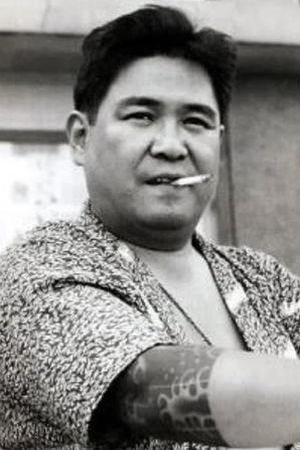
Tatsuo Endô
Boss Yasugoro of Takeya
Takashi Etajima
Seiroku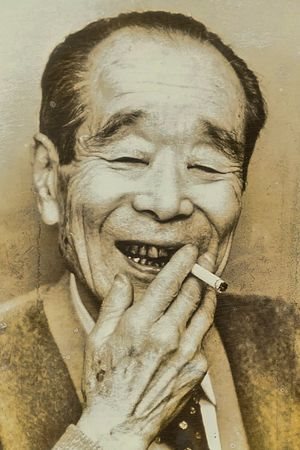
Bokuzen Hidari
KyûbeiRyôsuke Kagawa
Boss Bunkichi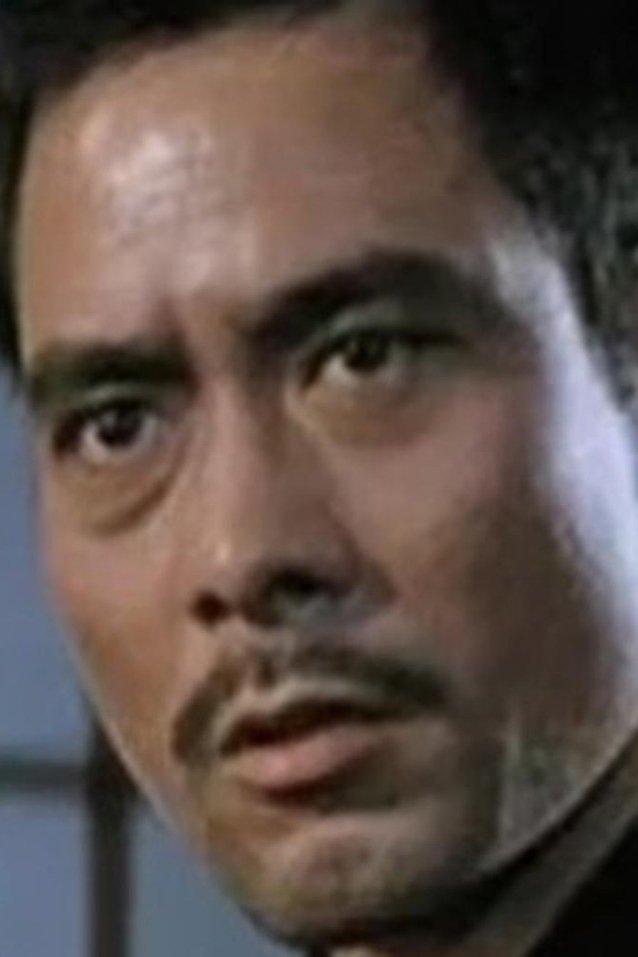
Jun Katsumura
Yasugoro YakuzaNaoko Kubo
KuniIkuko Môri
Yasugoro's SisterMayumi Nagisa
Shizu
Yutaka Nakamura
MekichiTeruko Ômi
MineKazuo Ikehiro
DirectorShôzaburô Asai
WriterMinoru Inuzuka
Writer
Kan Shimozawa
Writer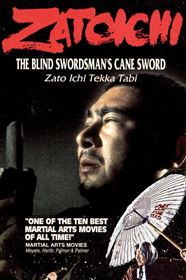
Zatoichi's Cane Sword
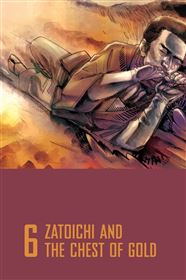
Zatoichi and the Chest of Gold
Zatoichi and the Doomed Man
Zatoichi's Pilgrimage
Zatoichi on the Road
Zatoichi the Fugitive
Zatoichi Challenged
Zatoichi and the Chess Expert
Zatoichi's Vengeance

Yojimbo

Sanjuro
Lone Wolf and Cub: Sword of Vengeance
Lone Wolf and Cub: Baby Cart at the River Styx
Lady Snowblood: Blizzard From the Netherworld

Harakiri

Samurai Assassin
The Sword of Doom
Seven Samurai
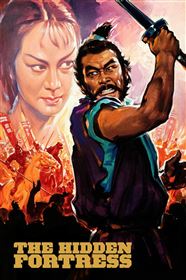
The Hidden Fortress
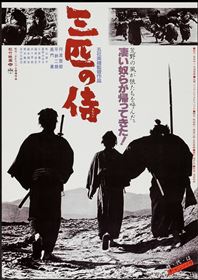
Three Outlaw Samurai
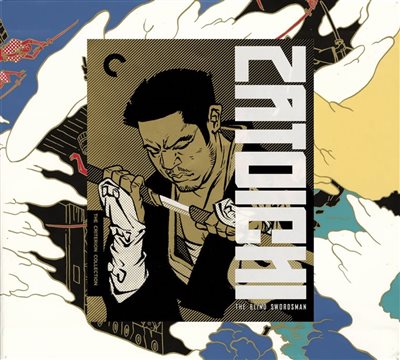
Zatoichi's Flashing Sword
(Blu-ray, Slip Case)
11/26/2013
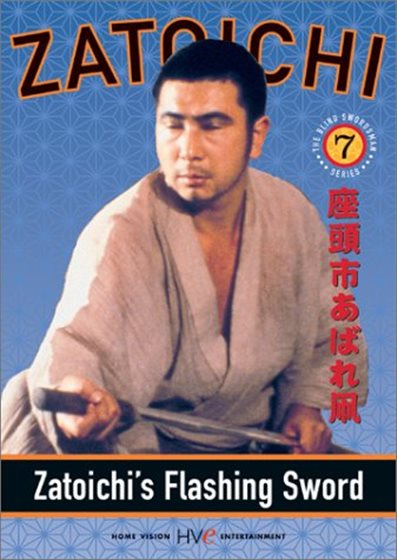
Zatoichi: Zatoichi's Flashing Sword
(DVD)
4/29/2003