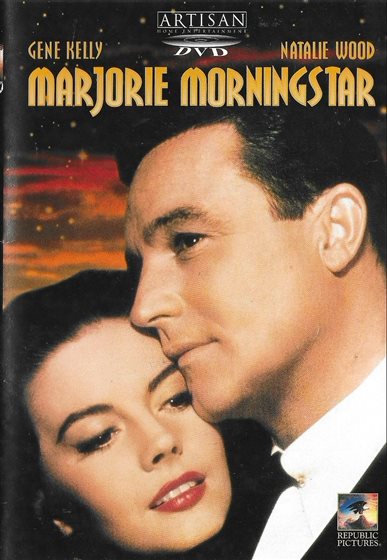
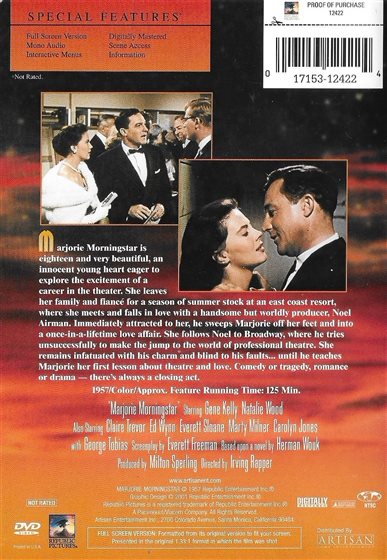
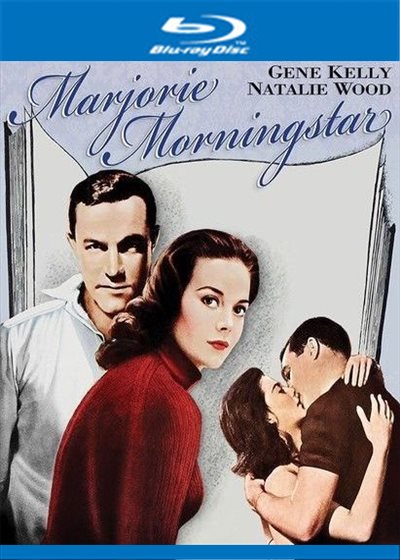
Marjorie Morningstar (1958)
Drama/Romance · 2h 5m · 1/5/2002


Description
The central conflict in the film revolves around the traditional models of social behavior and religious behavior expected by New York Jewish families in the 1950s, and Marjorie's desire to follow an unconventional path. The film is notable for its inclusion of Jewish religious scenes - including a Passover meal, a synagogue sequence, and Jewish icons in the Morgenstern house. These depictions were one of the first times Jewish religion was portrayed overtly in film since The Jazz Singer in 1927. The film received an Oscar nomination for Best Song ("A Very Precious Love"), sung by Gene Kelly.

Release Country
United StatesBarcode
017153124224Release Date
1/5/2002Audio
 |
English | |
|
Studio
ArtisianVideo Format
NTSCAspect Ratio
1.33:1Discs


Gene Kelly
Noel Airman
Natalie Wood
Marjorie Morgenstern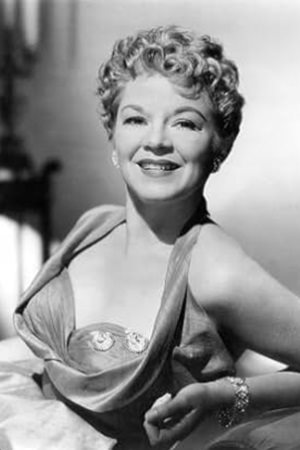
Claire Trevor
Rose Morgenstern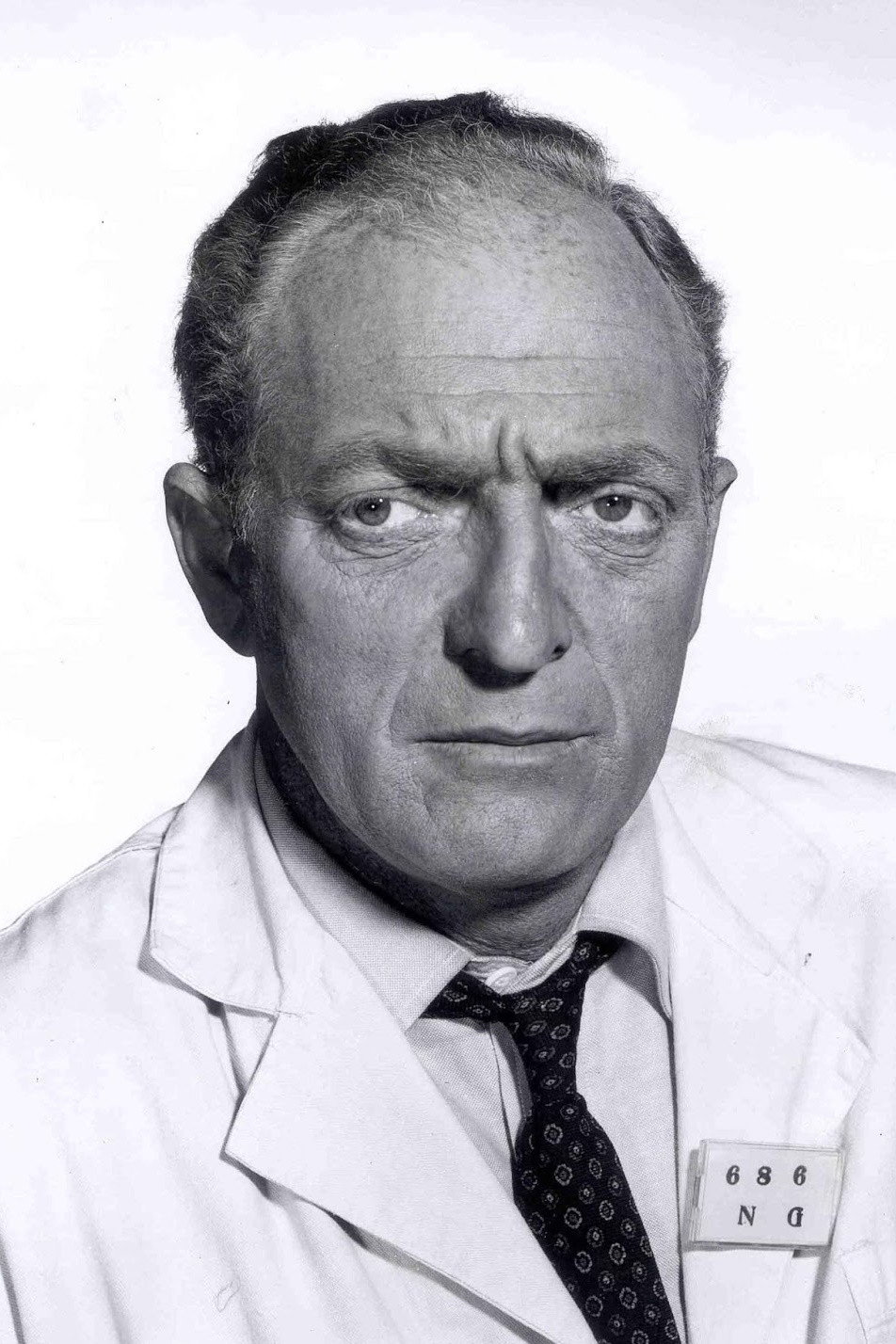
Everett Sloane
Arnold Morgenstern
Martin Milner
Wally Wronkin (as Marty Milner)
Carolyn Jones
Marsha Zelenko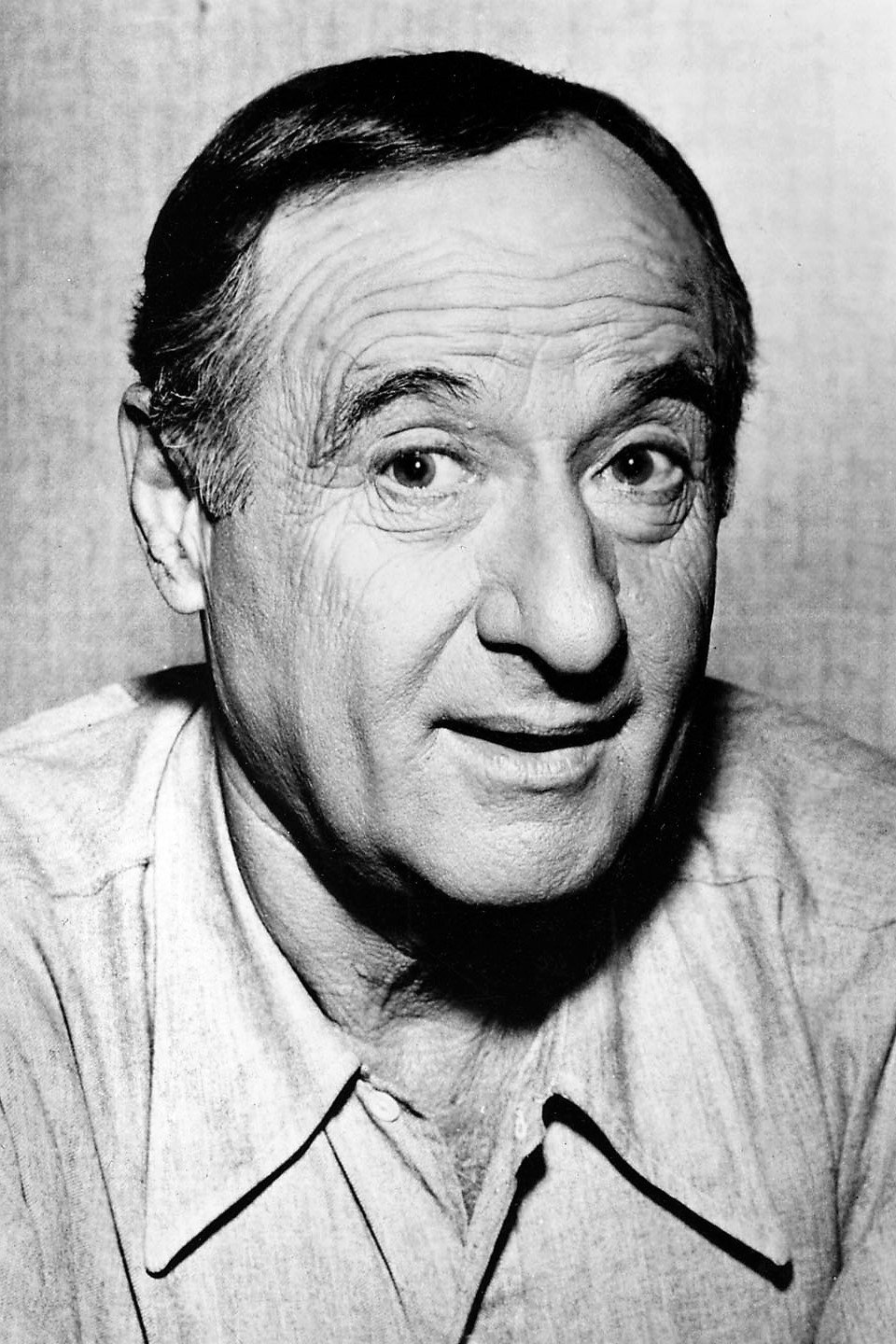
George Tobias
Maxwell Greech
Martin Balsam
Dr. David Harris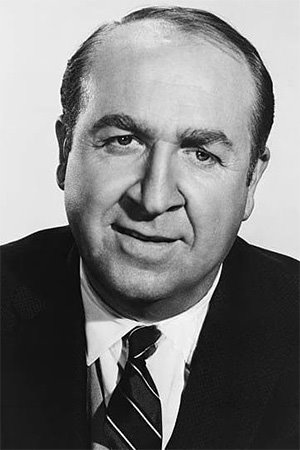
Jesse White
Lou Michaelson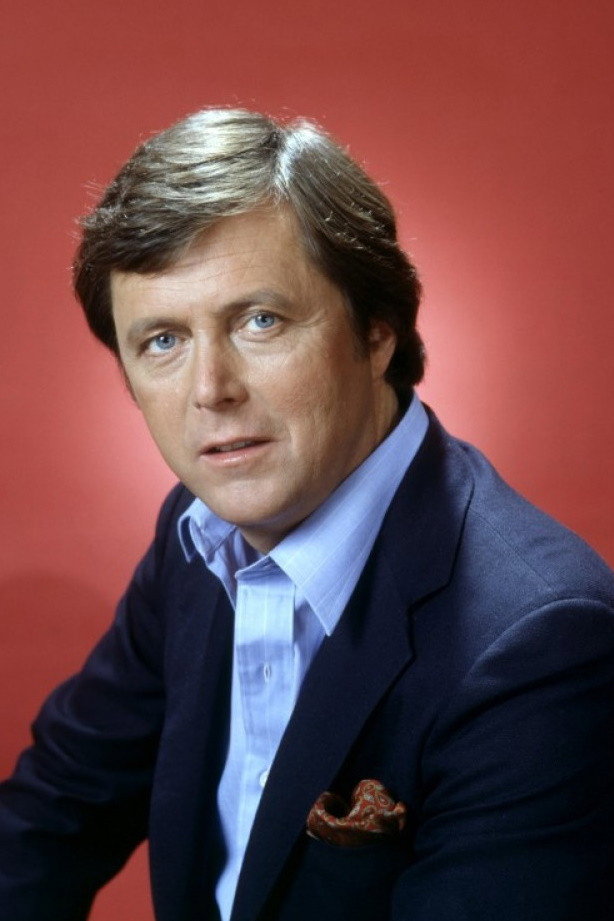
Edd Byrnes
Sandy Lamm (as Edward Byrnes)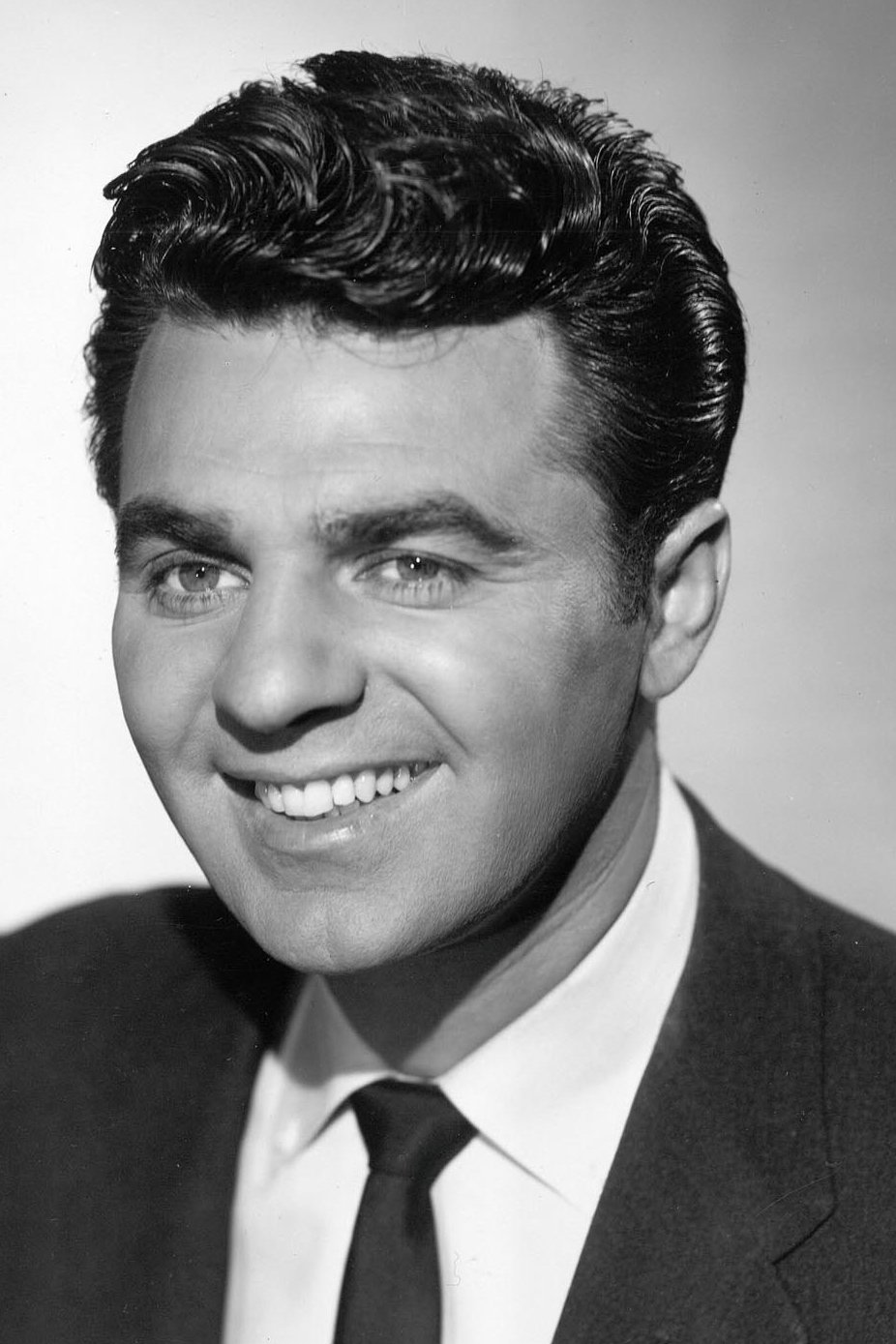
Paul Picerni
Philip Berman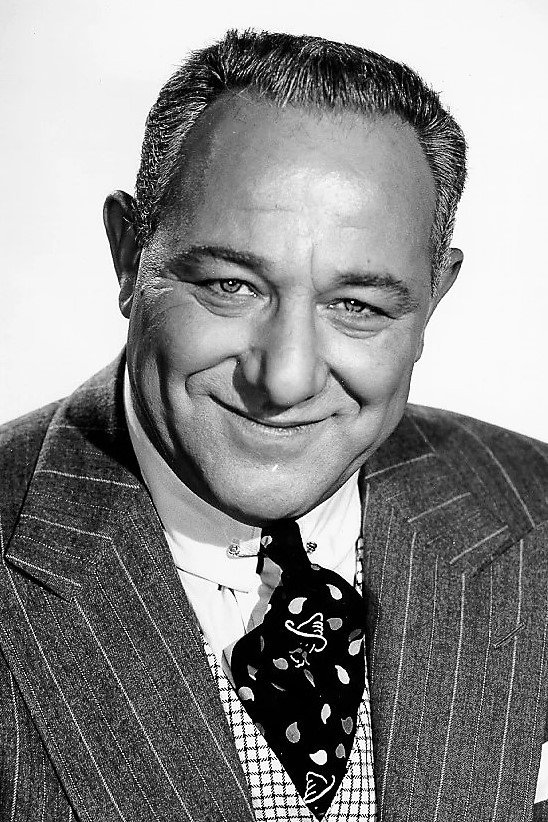
Alan Reed
Puddles Podell
Ruta Lee
Imogene Norman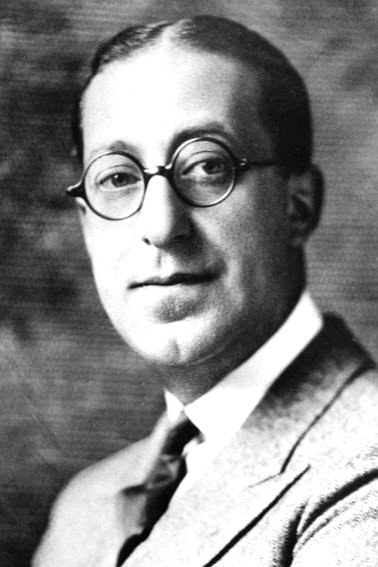
Ed Wynn
Uncle Samson
Beverly Aadland
Dancer (uncredited)Russell Ash
Harry Morgenstern (uncredited)Howard Bert
Seth Morgenstern (uncredited)
Leslie Bradley
Blair (uncredited)
Peter Brown
Alec (uncredited)Walter Clinton
Mr. Zelenko (uncredited)Patricia Denise
Karen (uncredited)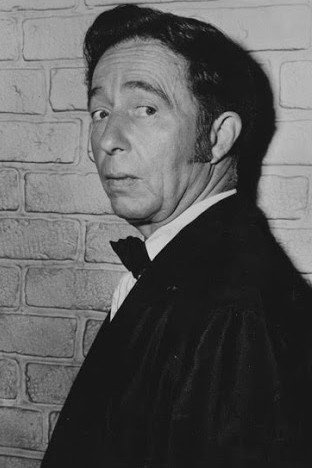
Lester Dorr
Elevator Operator (uncredited)
Shelley Fabares
Seth's Girl Friend (uncredited)Eddie Foster
Carlos (uncredited)Gail Ganley
Wally's Girl Friend (uncredited)
Elizabeth Harrower
Miss Kimble (uncredited)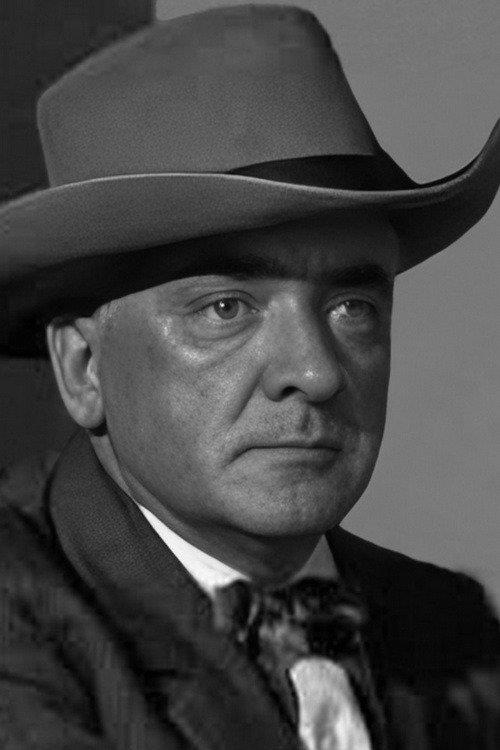
Mike Lally
First-Nighter at 'Princess Jones' (uncredited)Sandy Livingston
Betsy (uncredited)Faye Michael Nuell
Helen Harris (uncredited)Fred Rapport
Nate, Lou's Partner (uncredited)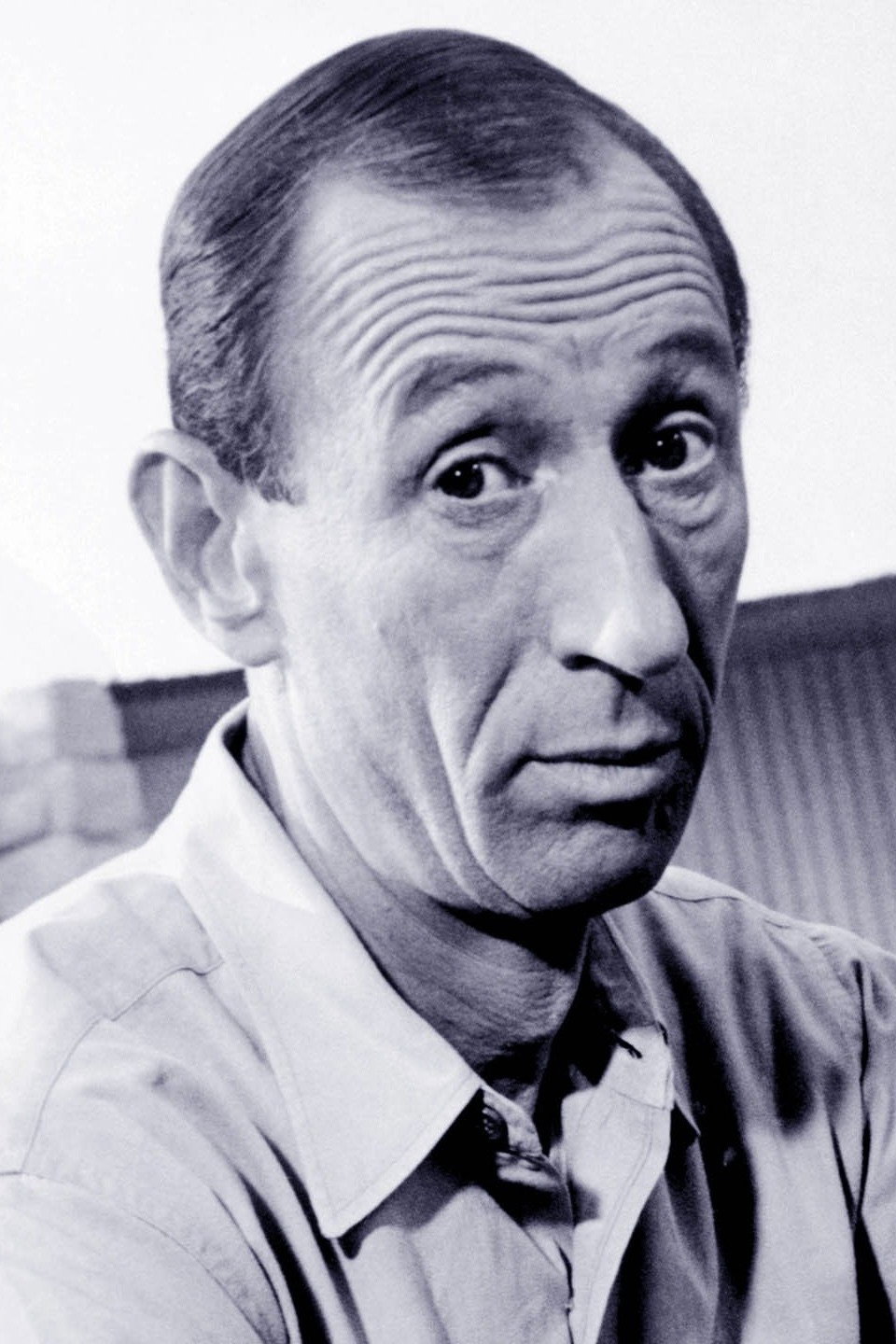
Guy Raymond
Mr. Klabber (uncredited)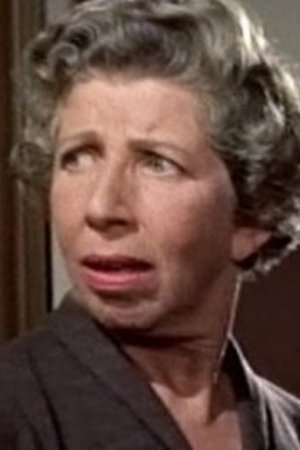
Maida Severn
Tonia Zelenko (uncredited)Harry Seymour
Frank, Lou's Partner (uncredited)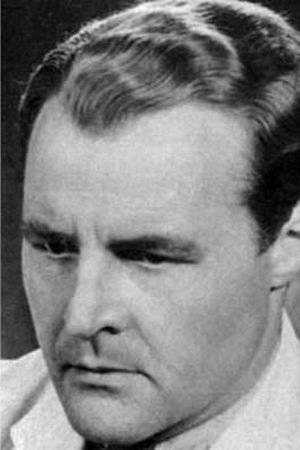
Reginald Sheffield
Hotel Desk Clerk (uncredited)Charles Sherlock
First-Nighter at 'Princess Jones' (uncredited)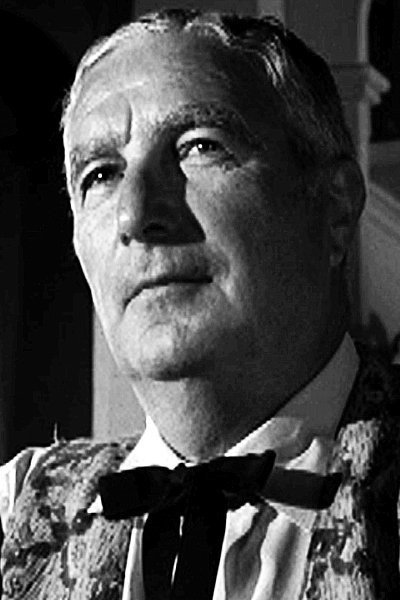
Carl Sklover
Leon Lamm (uncredited)Jean Vachon
Mary Lamm (uncredited)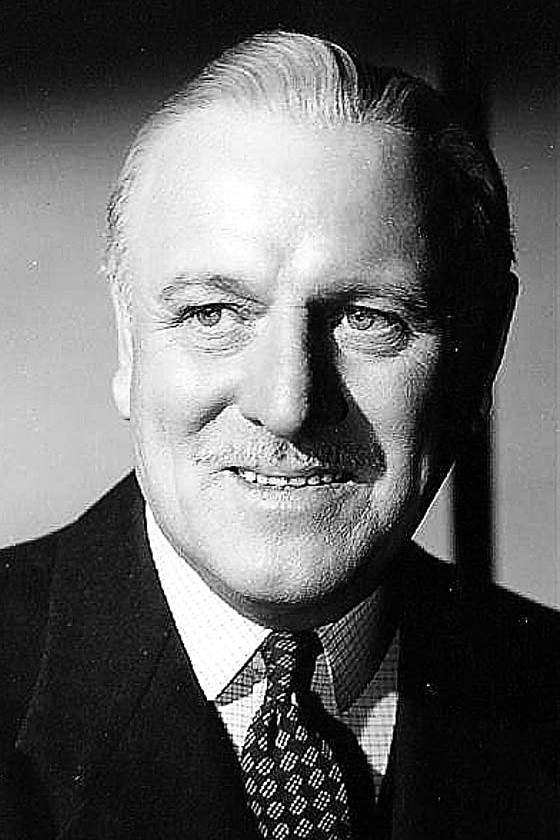
Pierre Watkin
Civil Official (uncredited)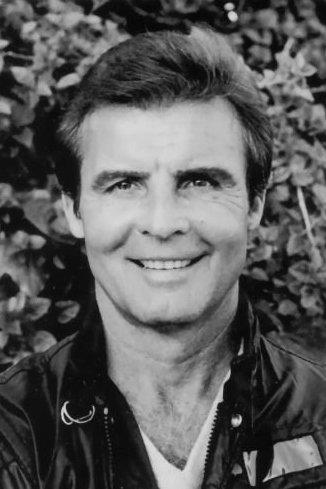
James Westmoreland
Actor as 'Romeo' (uncredited)Patricia Winters
(uncredited)
Lana Wood
(uncredited)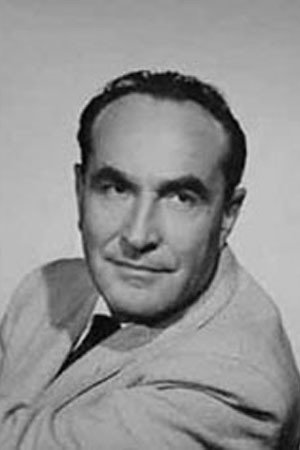
Irving Rapper
Director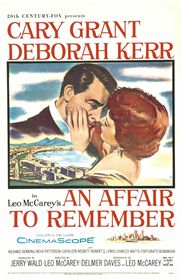
An Affair to Remember
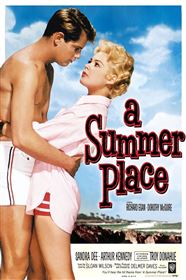
A Summer Place
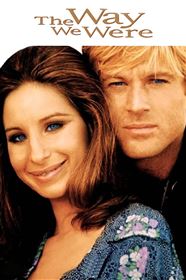
The Way We Were
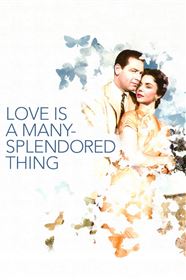
Love Is a Many Splendored Thing
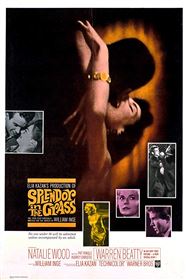
Splendor in the Grass
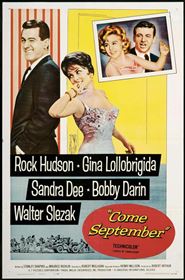
Come September

Roman Holiday
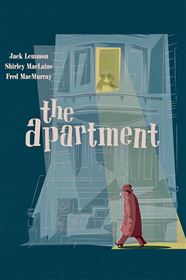
The Apartment
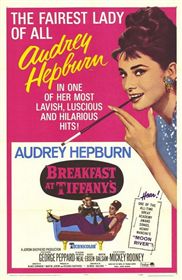
Breakfast at Tiffany's
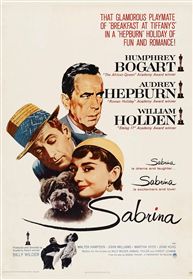
Sabrina
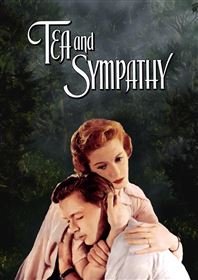
Tea and Sympathy
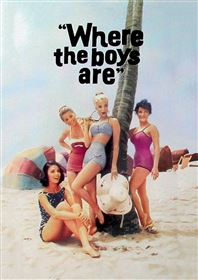
Where the Boys Are
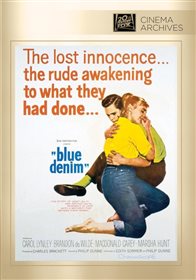
Blue Denim
The Bad Seed
Bus Stop
Sayonara
Picnic
The Bachelor and the Bobby-Soxer
Goodbye, Columbus
A Very Special Favor
Marjorie Morningstar
(Blu-ray, Keep Case (HD Slim, Low))
5/9/2017
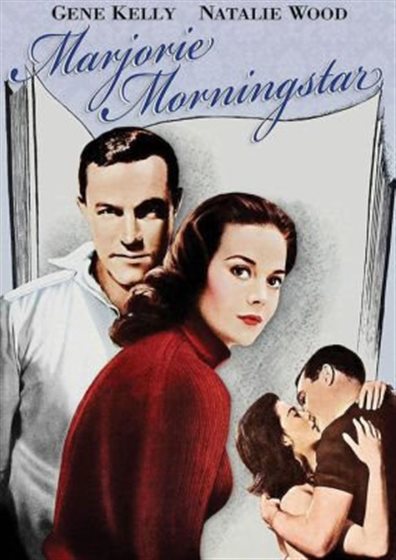
Marjorie Morningstar
(DVD)


