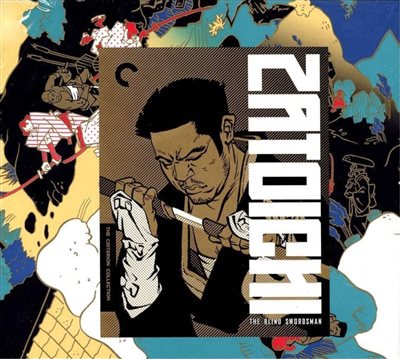

The Tale of Zatoichi (1962)
Martial Arts/Drama/Foreign/Adventure/Action · 1h 36m · 9/16/2016


Description
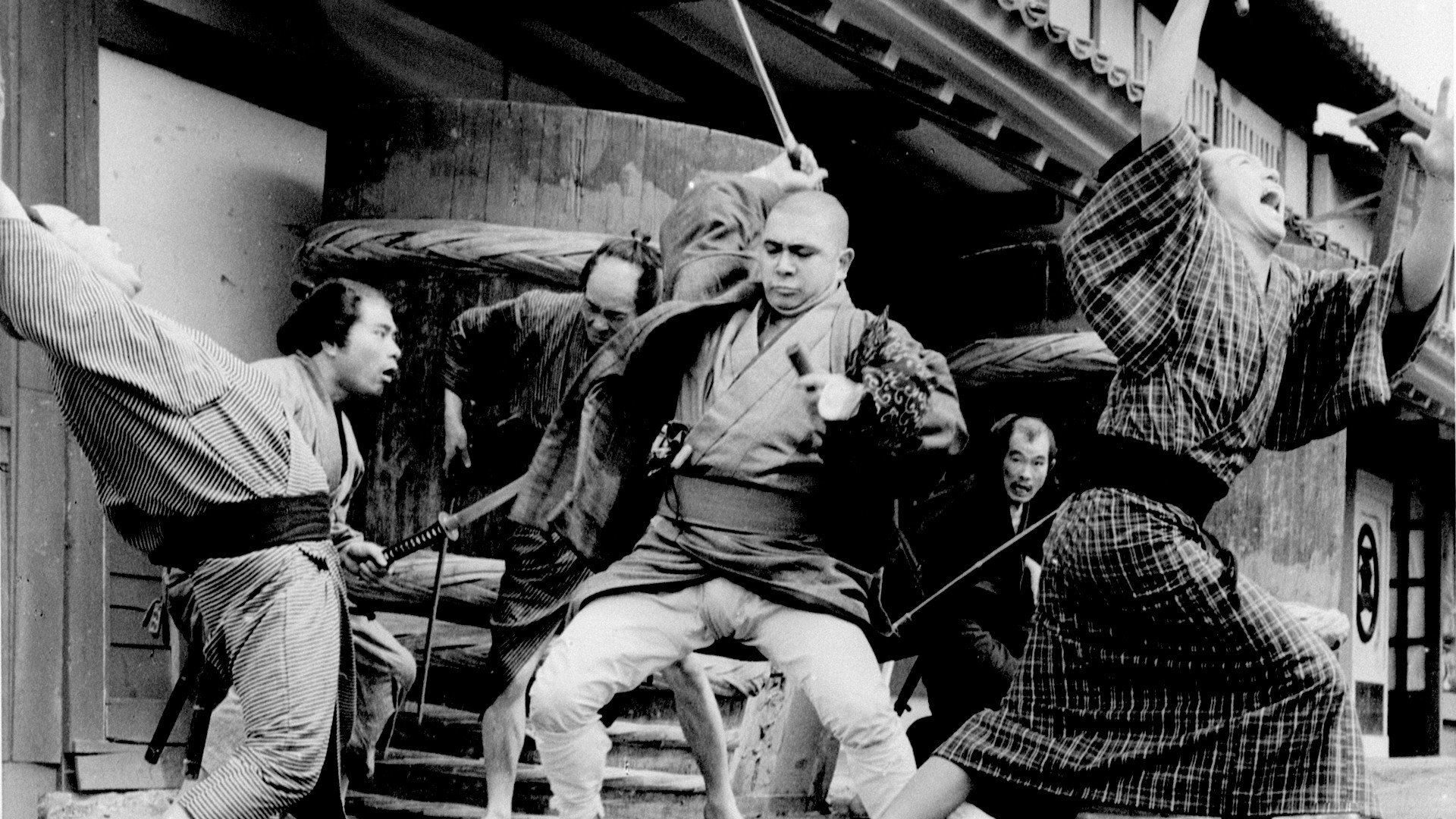
An elegiac character study with the grittiness and humor of Akira Kurosawa's Yojimbo (1961), The Tale of Zatoichi (also known, a bit more colorfully, under the title Zatoichi: The Life and Opinion of Masseur Ichi) was a surprise hit for Daiei studios. Although featuring a topflight director, Kenji Misumi, the first outing of Zatoichi was not seen as anything particularly special by the studio, known for prestige jidai-geki (historical swordplay) films. But this story of a strange, handicapped protagonist—a blind, gambling masseur with amazing skills as a swordsman—who overcomes adversity with his expertise touched a nerve with Japanese audiences, who loved to root for the underdog. Shintaro Katsu, our hero/antihero, had often been a leading man at Daiei to that point but was not really a huge star. That was about to change. Shigeru Amachi is the tubercular samurai Hirate, who befriends Ichi but is manipulated by his status as an impoverished yojimbo (bodyguard or hired muscle) for the rival yakuza clan's boss, Shigezo. Likewise, Ichi, aligned with the Iioka clan, is cajoled, conned, and bullied by Boss Sukegoro into fighting on their side in the final battle between the clans. Amachi had been one of the main stars at Shintoho studios before it went bankrupt and ceased production the year before. Leading lady Masayo Banri, previously relegated mostly to sex kitten roles, gets to stretch here in the sympathetic, sensitive, and strong role of the waitress Otane, who falls in love with Ichi while having to deal with her sociopathic yakuza brother, Tatekichi. If any further indication were needed that Daiei had no concrete plans for a sequel, Ichi gives up his cane sword for a simple walking stick in the denouement.
Release Country
United StatesRelease Date
9/16/2016Media Type
MovieAudio
 |
Japanese | PCM | |
Digital Copy
Not IncludedStudios
Kadokawa Pictures, Inc./Janus FilmsSubtitles
 English
Video Format
1080pAspect Ratio
2.35:1Cover Type
DigibookDiscs

Streaming Rank Today

Zatoichi: The Blind Swordsman

Shintarô Katsu
Zatôichi
Masayo Banri
Tane
Ryûzô Shimada
Shigezô of Sasagawa
Hajime Mitamura
Hanji of Matsugishi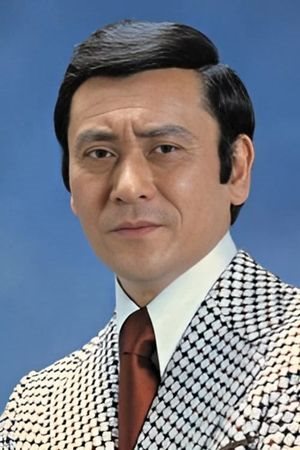
Shigeru Amachi
Miki HirateMichirô Minami
TatekichiEijirô Yanagi
Sukegorô of IiokaToshio Chiba
Masakichi
Manabu Morita
SeisukeYoshindo Yamaji
YaheiYôichi Funaki
YogorôEigorô Onoe
RiheiIkuko Môri
YutakaChitose Maki
YoshiKin'ya Ichikawa
Mokichi
Jun Fujikawa
Iioka Yakuza MemberYukio Horikita
Kanaji
Yûji Hamada
Iioka Yakuza Member
Gen Kimura
Sasagawa Gambler SpyTakaji Fukui
DaihachiHajime Koshikawa
FarmerHiroyoshi Nishioka
Iioka Yakuza Member
Kanae Kobayashi
Kane, Sasagawa InnkeeperAkira Shiga
Dice-RollerNoboru Taniguchi
TomozôShingo Hosoya
Iioka Yakuza MemberTaizô Sengoku
IshichiKatsuyoshi Baba
Iioka Yakuza MemberKaname Yûki
Iioka Yakuza MemberKeiko Awanami
SakiMasayoshi Kikuno
Coolie
Kenji Misumi
DirectorMinoru Inuzuka
Writer
Kan Shimozawa
Writer
Seven Samurai

Yojimbo

Sanjuro

Harakiri

Lone Wolf and Cub: Sword of Vengeance

Lady Snowblood: Blizzard From the Netherworld
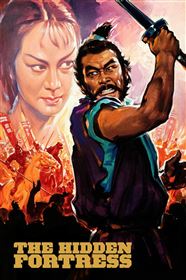
The Hidden Fortress
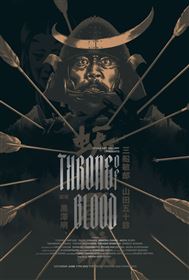
Throne of Blood

Samurai Assassin
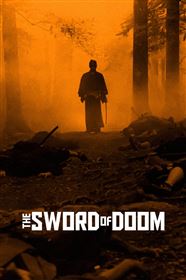
The Sword of Doom

Goyokin

Hitokiri

Shogun Assassin

Twenty-Four Eyes

Gate of Hell

Ugetsu

Sansho the Bailiff

Kagemusha

Ran

Samurai II: Duel at Ichijoji Temple
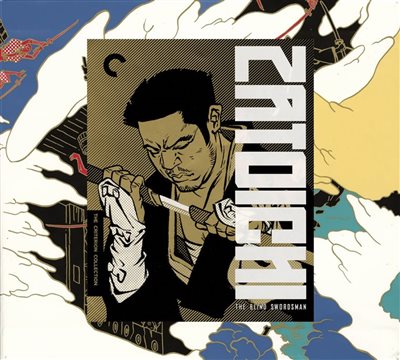
The Tale of Zatoichi
(Blu-ray, Slip Case)
11/26/2013
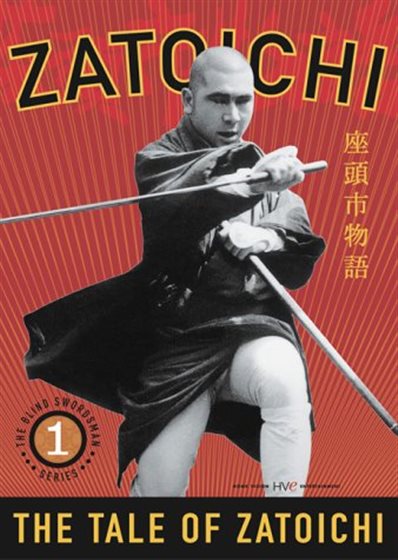
Zatoichi: The Tale Of Zatoichi
(DVD)
5/14/2002
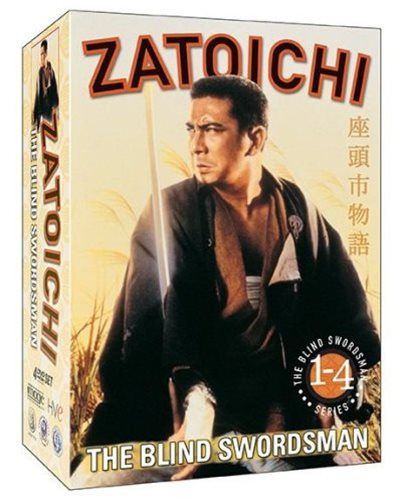
Zatoichi The Blind Swordsman: Vols. 1-4
(DVD)
6/12/2007