Zatoichi the Outlaw (1967)
Drama/Adventure/Action · 1h 35m · 11/26/2013


Description
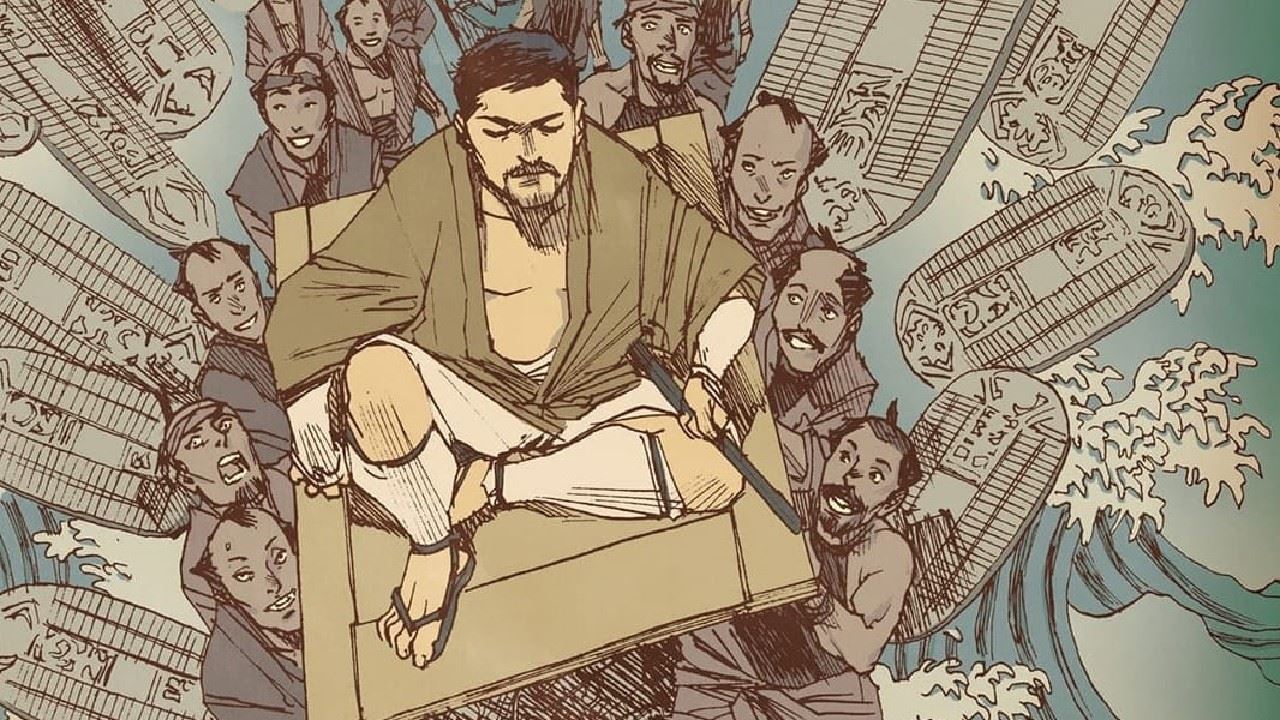
Zatoichi number sixteen was a first in several ways. With it, star Shintaro Katsu launched his new company, Katsu Productions. It's also the first time he sings what would become the Zatoichi theme song, albeit in the middle of the picture. In this entry, Ichi passes through a town where the farmers are organized into an effective labor force. But they are still being victimized by an evil gang. Ichi ends up misjudging a seemingly reform-minded yakuza boss, Asagoro (Rentaro Mikuni), and returns to the village after hearing of its misery from a girl who has been sold into prostitution (Kayo Mikimoto). This film has one of the most emotion-wringing climaxes of the series, as Ichi confronts his former trusted friend and then, wounded, is carried by the townspeople to catch up to an official caravan transporting the nonviolent samurai leader of the farmers (Mizuho Suzuki) to execution. Zatoichi stories are always told from the viewpoint of the downtrodden, but this one has probably the most openly political tone of the series, with the master auteur Satsuo Yamamoto directing. During the post-World War II labor disputes at Toho studios, Yamamoto had actively protested against the company, which he eventually left. All during the 1950s and particularly the 1960s, he helmed independent films and some prime Daiei crowd-pleasers. He directed a historical drama about a real-life swordless samurai/farmers' advocate in 1976 called Tenpo Era River Story: Yugaku Ohara. Actor Mikuni was well-known for his challenging roles in such pictures as Shohei Imamura's Profound Desire of the Gods (1968) and Vengeance Is Mine (1979).
Release Country
United StatesRelease Date
11/26/2013Media Type
MovieAudio
 |
Japanese | PCM | |
Digital Copy
Not IncludedStudios
Toho Co., Ltd. (Toho Company, Ltd.)/Janus Films/The Criterion CollectionSubtitles
 English
Video Format
1080pAspect Ratio
2.35:1Cover Type
Slip CaseDiscs

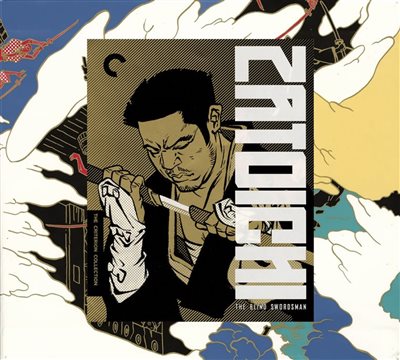
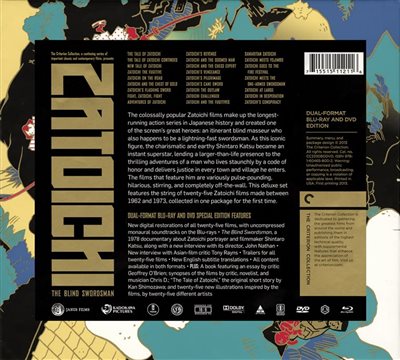
Zatoichi: The Blind Swordsman
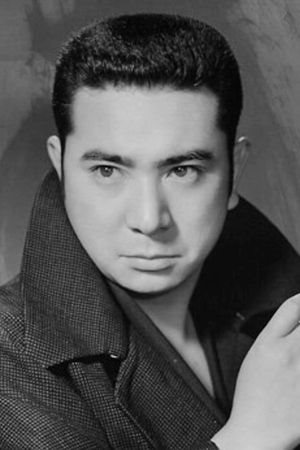
Shintarô Katsu
Zatoichi
Rentarô Mikuni
Asagoro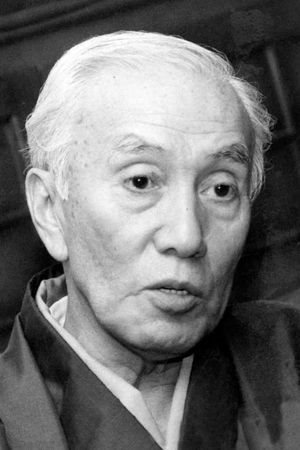
Kô Nishimura
Kyushiro Suga (as Akira Nishimura)Yuko Hamada
OshinoKenjirô Ishiyama
Tatsugoro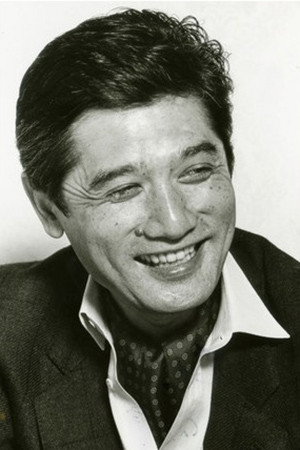
Toshiyuki Hosokawa
Nisaburo
Takuya Fujioka
Zato Sanji
Mizuho Suzuki
Shusui Ohara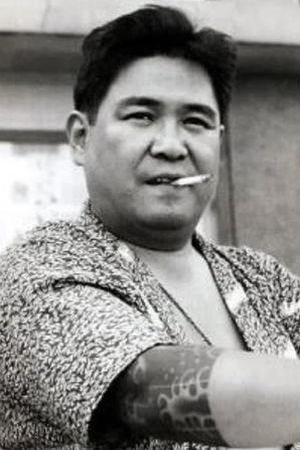
Tatsuo Endô
Boss TomizoKayo Mikimoto
OyukiTatsuo Matsushita
YamagenRokku Furukawa
Zato KinsakuKeisuke Ootori
Zato Jinsuke (as Keisuke Otori)Utako Kyô
Big Mouth WomanOsamu Sakai
SadamatsuYûzô Hayakawa
Hyogo Saito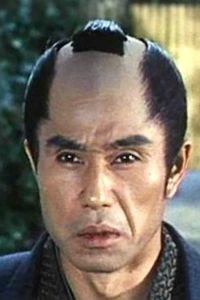
Manabu Morita
TetsuTadashi Yano
ZenpachiKoichi Mizuhara
Farmer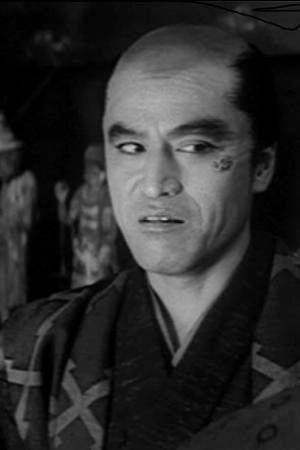
Saburô Date
Tomoeya Brothel Owner
Gen Kimura
FusajiroMasaya Mizushima
MatashichiIkuko Môri
Tomizo's Wife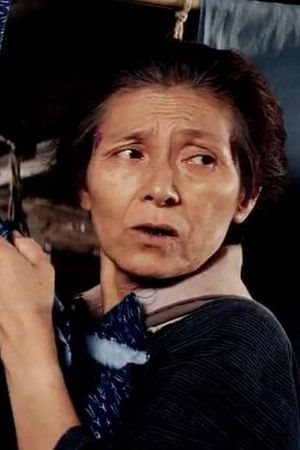
Kanae Kobayashi
Matashichi's Mother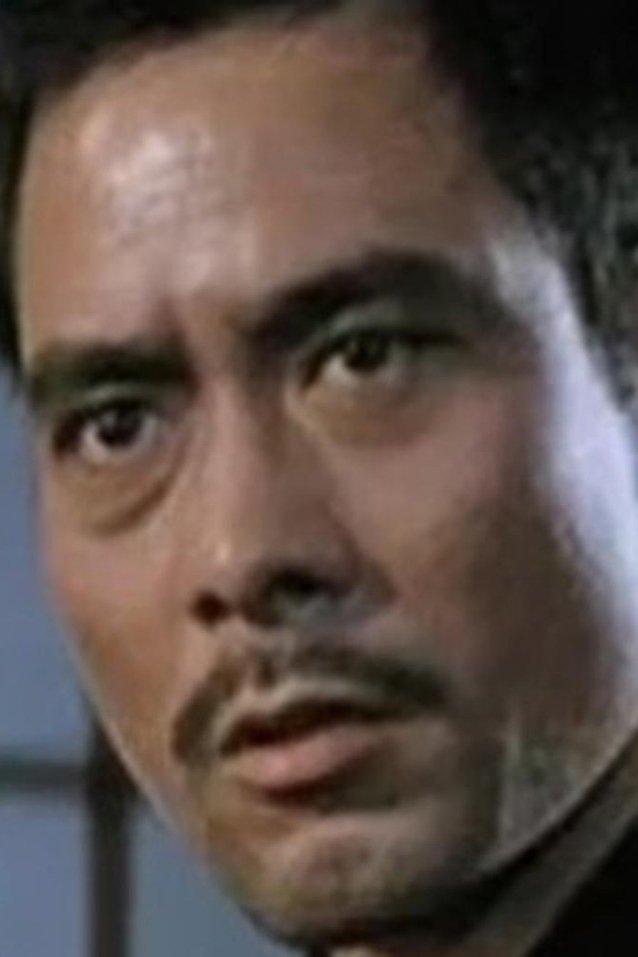
Jun Katsumura
Mankichi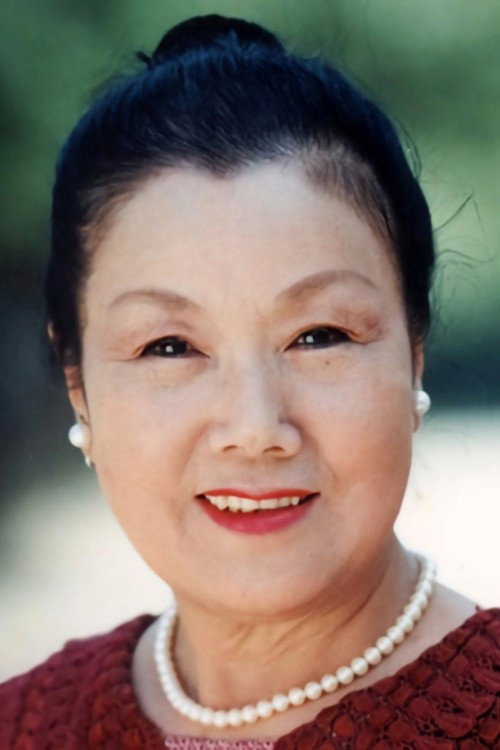
Keiko Koyanagi
Toki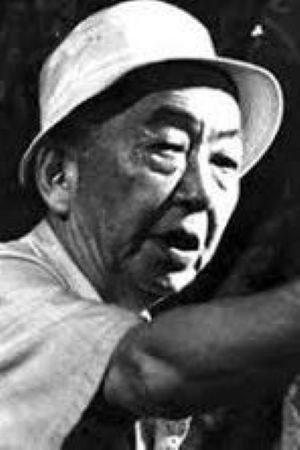
Satsuo Yamamoto
DirectorKoji Matsumoto
WriterTakehiro Nakajima
WriterKiyokata Saruwaka
Writer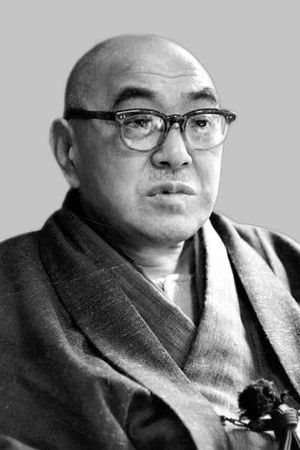
Kan Shimozawa
Writer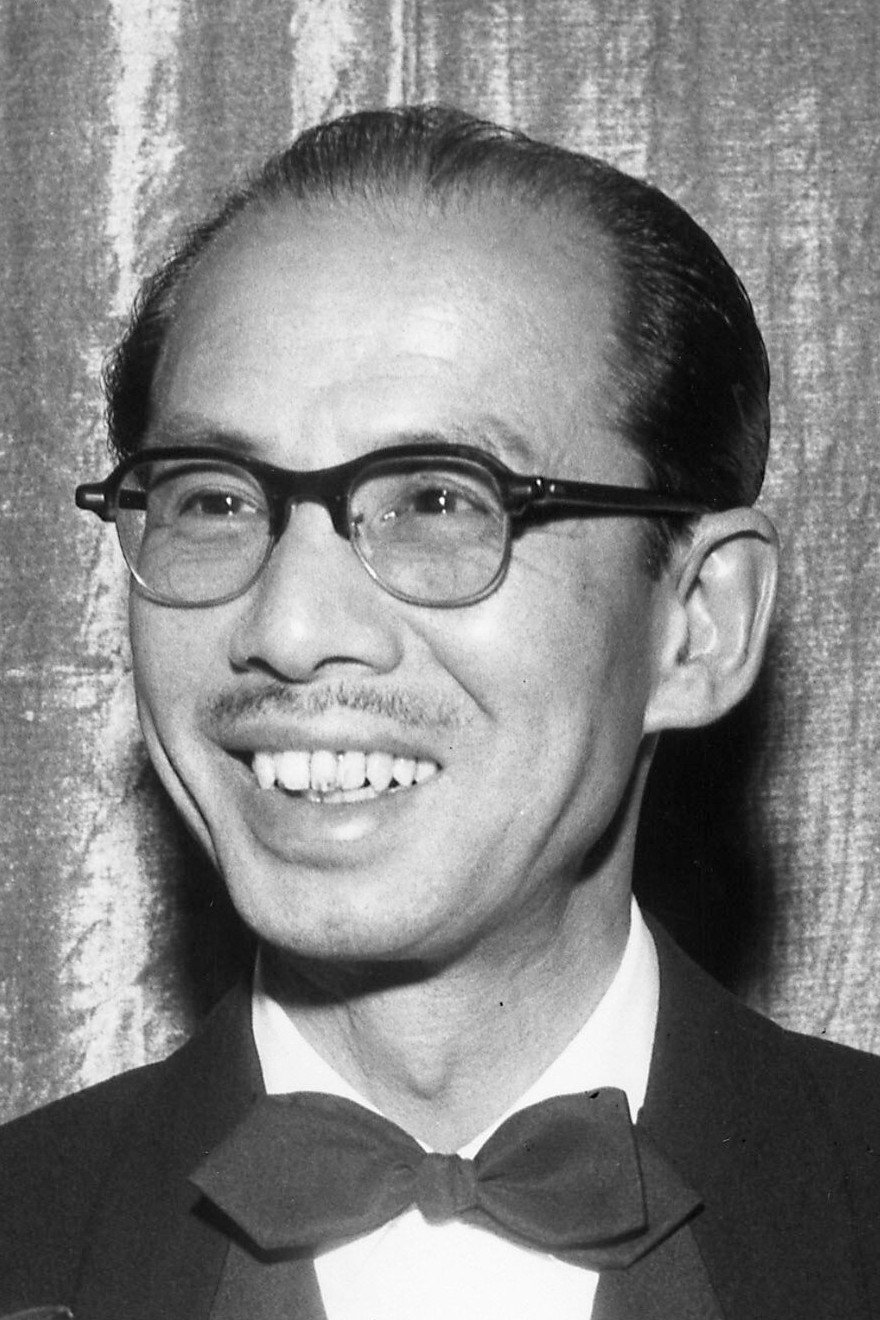
Masaichi Nagata
ProducerKazuo Miyagawa
CinematograpyKanji Suganuma
EditorSei Ikeno
Music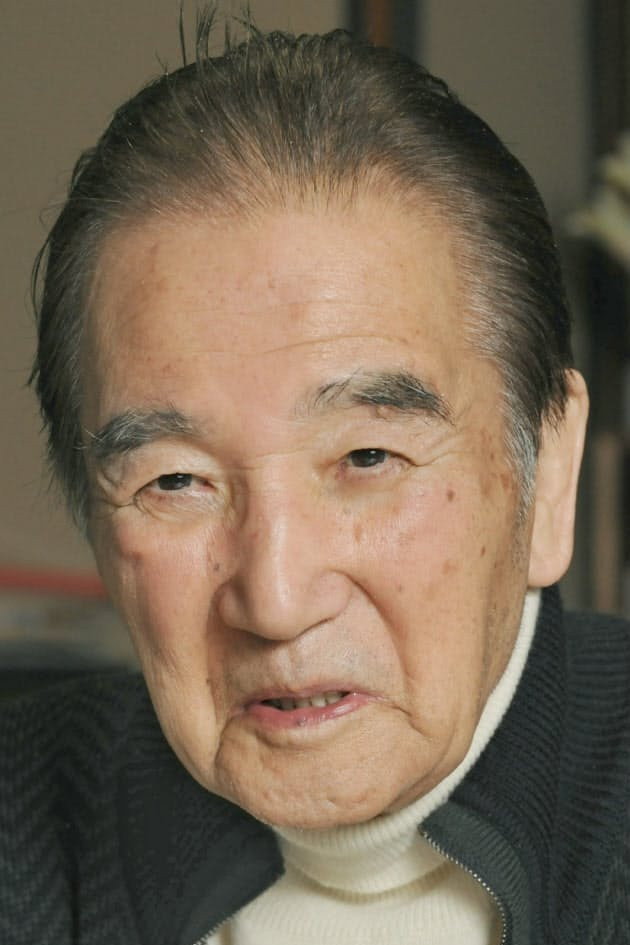
Yoshinobu Nishioka
Art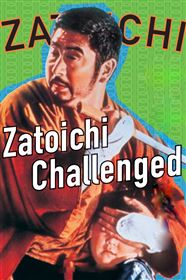
Zatoichi Challenged
Zatoichi's Cane Sword
Zatoichi and the Fugitives
Zatoichi and the Chest of Gold
Zatoichi's Vengeance
Zatoichi the Fugitive
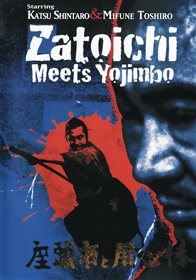
Zatoichi Meets Yojimbo
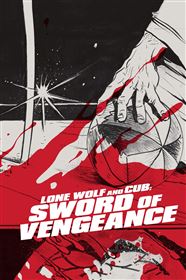
Lone Wolf and Cub: Sword of Vengeance
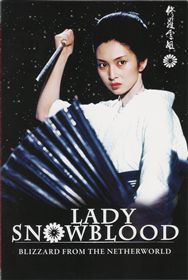
Lady Snowblood: Blizzard From the Netherworld
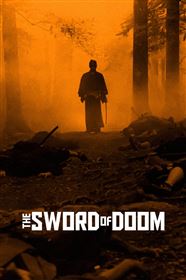
The Sword of Doom

Harakiri

Samurai Assassin

Goyokin
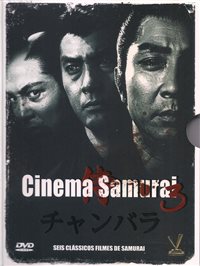
Hitokiri
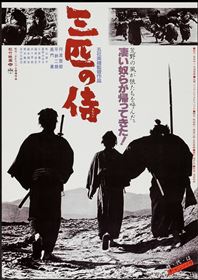
Three Outlaw Samurai
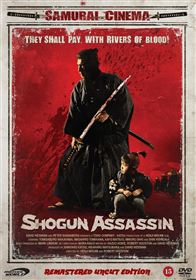
Shogun Assassin

Yojimbo

Sanjuro
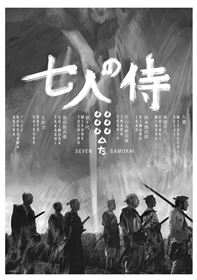
Seven Samurai
The Hidden Fortress
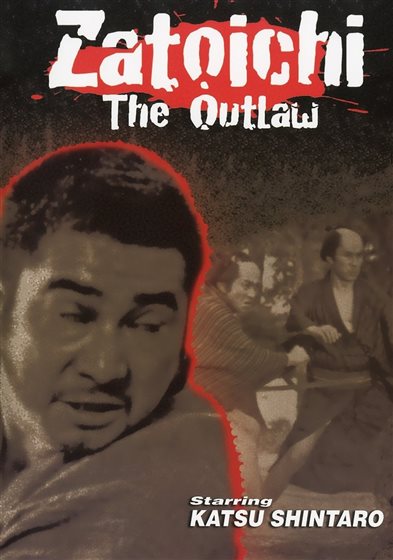
Zatoichi The Outlaw
(DVD)
3/9/2004
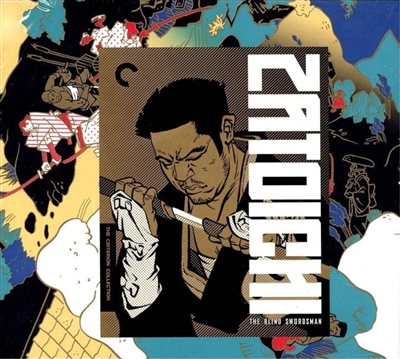
Zatoichi the Outlaw
(Blu-ray, Digibook)
9/16/2016